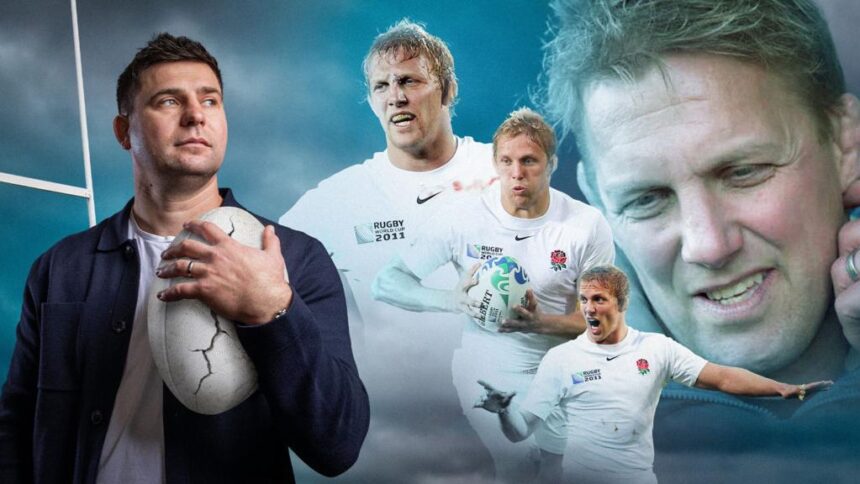
‘Emotions Always Close’: Lewis Moody’s Unflinching Journey Since MND Diagnosis
The image of Lewis Moody, the fearless “Mad Dog” of English rugby, soaring into a line-out or throwing his body into a tackle with reckless abandon is etched into the sport’s memory. Today, that same courage is being channeled into a profoundly personal and public battle. In a raw and moving conversation with former teammate Ben Youngs, Moody has opened up about life since his diagnosis with motor neurone disease (MND), a moment that has irrevocably linked his legendary past to an uncertain future.
A Diagnosis That Changes Everything
Speaking on Ben Youngs’ investigative documentary, Moody described the seismic impact of receiving the MND diagnosis. The disease, which affects the brain and nerves, causes progressive weakness and has no cure. For a world-class athlete whose identity was built on physical prowess and control, the news was a devastating paradox. “Emotions are always close,” Moody revealed, a simple phrase that speaks volumes about the daily psychological tightrope he now walks. This isn’t about the emotional highs and lows of a Test match; it’s about the constant, looming presence of a condition that demands a new kind of resilience.
Moody’s decision to discuss his condition publicly is a powerful act of vulnerability. He moves the conversation beyond statistics and medical jargon into the human heart of the matter. His experience raises urgent, uncomfortable questions for the sport he loves, questions that Ben Youngs is directly investigating: what is the true physical cost of rugby?
The Inescapable Shadow: Rugby’s Safety Reckoning
Moody’s diagnosis arrives at a time when rugby union is undergoing a profound safety reckoning. The sport is grappling with an emerging body of scientific evidence linking repetitive head impacts to an increased risk of neurodegenerative diseases. While there is no definitive, single-cause link established between rugby and MND, the correlation observed in several high-profile cases has placed the sport under intense scrutiny.
Ben Youngs’ investigation, How Safe Is Rugby?, delves into this very crisis. The documentary features Moody not just as a former captain, but as a living, breathing part of the sport’s most critical debate. Their conversation forces viewers to confront the potential long-term consequences of the gladiatorial collisions that define the modern game. Key areas of concern include:
- Chronic Traumatic Encephalopathy (CTE): A brain condition linked to repeated head trauma, found in deceased athletes from contact sports.
- Sub-Concussive Impacts: The “silent” hits that don’t cause immediate concussion symptoms but may cumulatively cause damage.
- Law Evolution: How recent changes to tackle laws and concussion protocols are being implemented and enforced at all levels of the game.
- Cultural Shift: The challenge of moving from a “shake it off” mentality to one of absolute caution regarding head injuries.
Moody’s New Battle: Redefining Strength
Since his diagnosis, Lewis Moody’s strength has transformed. The physical power that once drove mauls and dominated breakdowns is now directed towards advocacy, awareness, and family. His openness provides an invaluable, human perspective on a disease that is often misunderstood. By sharing that his “emotions are always close,” he highlights the mental and emotional toll that accompanies the physical decline.
This is where Moody’s legacy is being rewritten in real-time. His platform as a Rugby World Cup winner and former England captain gives a megaphone to the MND community. He is using his story to:
- Raise funds for vital research into treatments and a cure for MND.
- Increase public understanding of the disease’s realities.
- Support other individuals and families navigating a similar diagnosis.
- Ensure that the conversation about athlete welfare remains at the forefront of rugby’s agenda.
His courage is no longer defined by a tackle count, but by the grace and determination with which he faces each day.
The Future of the Collision Sport: Predictions and Pathways
The intersection of Lewis Moody’s story and Ben Youngs’ investigation creates a pivotal moment for rugby. The sport’s future will be shaped by how it responds to this growing health crisis. Several predictions and necessary pathways seem clear:
1. Accelerated Technological and Law Intervention: We will see a faster rollout of advanced mouthguard technology to measure head impacts in real-time. This data will likely lead to further, more radical law changes aimed at reducing head contact, potentially reimagining the tackle height and breakdown dynamics at all levels of the game.
2. A Litigation Landscape: Following patterns seen in other sports, rugby authorities and unions may face increasing legal challenges from former players. This financial and reputational risk will be a powerful driver for proactive safety measures.
3. Existential Cultural Change: The most significant shift must be cultural. The hero-worship of the player who “plays through pain” must be replaced by the celebration of the player who responsibly leaves the field. This education must start at the mini-rugby level, coached into children and parents alike.
4. Lifelong Player Care: The duty of care must extend decades beyond a player’s final whistle. This means established, well-funded aftercare programs, including neurological monitoring and support for former players like Moody, as standard.
Conclusion: A Legacy Beyond the Pitch
Lewis Moody’s revelation is more than a personal health update; it is a clarion call. His words, “emotions always close,” resonate far beyond his own living room. They echo in clubhouses, boardrooms, and living rooms where the sport is loved and played. His journey forces rugby to look in the mirror and ask if the essence of the game—its brutal beauty—can coexist with a guarantee of long-term health for its participants.
The ultimate tribute to “Mad Dog” Moody will not be found in old match highlights, but in a safer, more conscious sport. Ben Youngs’ investigation is a crucial piece of that puzzle, giving a platform to the hard questions. As fans, administrators, and participants, we owe it to Moody and countless others to watch, to listen, and to demand that the sport evolves. The goal is not to eliminate rugby’s physical heart, but to protect the very hearts and minds of those who make it great. The final whistle on a player’s career should not mark the beginning of a greater fight. Lewis Moody’s unparalleled bravery in sharing his fight ensures that this truth can no longer be ignored.
Source: Based on news from BBC Sport.