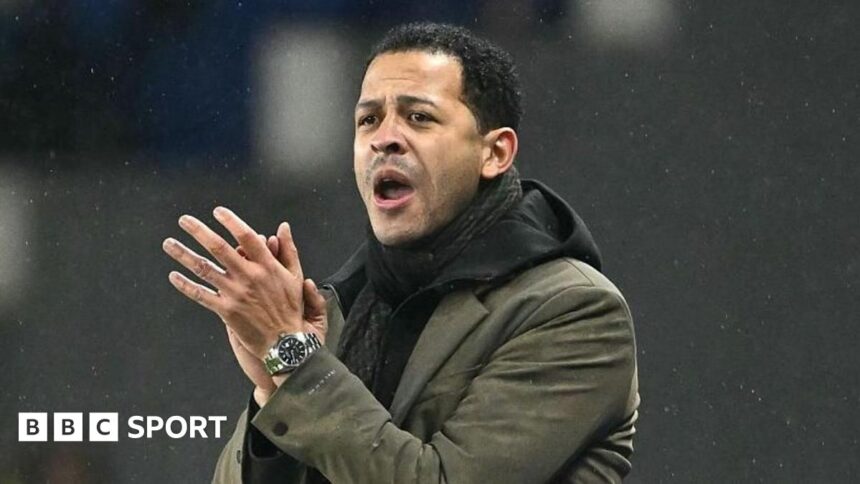
A Moving Moment: Liam Rosenior’s Appointment and the Barriers Broken
The image of a manager on the touchline, arms crossed, deep in thought, is a universal one in football. But sometimes, the significance of that figure in the technical area transcends tactics and points. Sometimes, it represents a profound shift, a breaking of a long-standing barrier, and the fulfillment of a legacy fought for by pioneers. The recent appointment of Liam Rosenior as a head coach is one such moment—a moment so powerful it moved a trailblazer from a different era to speak from the heart. For Paul Canoville, Chelsea’s first black player, Rosenior’s rise is more than just a managerial hire; it’s a deeply personal milestone in football’s slow march toward true equality.
The Pioneer’s Echo: Paul Canoville’s Lonely Road
To understand the weight of this moment, you must first understand the past. In April 1982, when a young Paul Canoville came on as a substitute for Chelsea at Selhurst Park, he wasn’t just making his debut. He was walking into a storm. As the first black player to wear the Chelsea first-team shirt, he faced torrential, horrific racial abuse from his own club’s supporters. His journey was one of immense courage and resilience in the face of hatred, a lonely path that helped clear the way for others. Decades later, the scars and the pride remain. So when Canoville speaks about a “moving moment” for a young, black English manager, his words carry the gravity of history. He acknowledges Rosenior’s undeniable quality as a coach first, but his emotional admission—”I would be lying if I said this moment doesn’t move me”—reveals the deeper cultural significance. This is the echo of a pioneer seeing the fruit of his suffering.
Rosenior: The Coach Who Earned His Chance
This narrative, however, is firmly rooted in footballing merit. Liam Rosenior is not a token appointment. His path has been one of diligent preparation and intellectual pursuit of the game. A respected former professional, he transitioned into coaching with a clear philosophy, earning plaudits for his work as an assistant and, most notably, for his transformative season at Hull City. There, he implemented a progressive, possession-based style that defied expectations and showcased his tactical acumen. Expert analysis of his tenure highlights several key strengths:
- Philosophical Clarity: Rosenior’s teams are built with a clear, modern identity focused on controlling games.
- Player Development: He has a proven track record of improving individual players, particularly young talents, within his system.
- Resilience Under Pressure: Navigating the expectations at Hull, a club with Premier League history, demonstrated a maturity beyond his years.
As Canoville rightly stated, “Liam Rosenior is a quality coach who knows the game inside out, and that’s what matters most.” This foundation of merit is what makes the symbolic moment so powerful—it disproves the outdated biases that have limited opportunities for black coaches in England’s top tiers.
The Unspoken Barrier: Management’s Diversity Deficit
While English football has made strides in addressing racial inequality on the pitch, the dugout has remained a stubborn frontier. The statistics have been starkly disappointing. Black players have been icons of the Premier League era, yet their pathway into management, particularly at the highest levels, has been obstructed by invisible barriers—unconscious bias, narrow recruitment networks, and a perceived lack of opportunity. Rosenior’s appointment, at a club with promotion ambitions, challenges this status quo directly. It signals that young, black English managers are not just assistants or token candidates; they are visionary leaders capable of building projects and inspiring clubs. This moment celebrates not just Rosenior, but the potential unlocking of a generation of diverse coaching talent that has been waiting in the wings, their credentials unquestioned but their opportunities few.
Predictions: A Ripple Effect Across the Game
The impact of this appointment is likely to extend far beyond the touchline of Rosenior’s new club. We can anticipate several potential outcomes:
- Increased Scrutiny on Recruitment: Other clubs will now face greater pressure to look beyond traditional, recycled hiring pools and consider the breadth of diverse talent available.
- A New Blueprint for Aspiring Coaches: Rosenior’s career path—focusing on coaching education, articulate media presentation, and a defined philosophy—becomes a model for other aspiring coaches from underrepresented backgrounds.
- Performance Over Perception: The success of this appointment will be judged on results, as it should be, further cementing the idea that competence is the only color that matters in the technical area.
The key moment here is the normalization of such appointments. The ultimate goal is for a black manager’s hiring to be noted purely for his footballing mind, not his ethnicity. Rosenior’s success could accelerate that day, making the dugout as diverse as the pitch it overlooks.
A Legacy Fulfilled, A Future Inspired
When Paul Canoville stood on the Selhurst Park turf in 1982, absorbing abuse for the color of his skin, he could scarcely have imagined the scene today: a brilliant, young black manager being entrusted with the dreams of a football club, his appointment met with universal approval for his football brain. The thread connecting these two moments is one of painful progress and enduring hope. Canoville broke the barrier on the pitch so that Rosenior could break it in the dugout. This is more than a sports story; it’s a story of social evolution within a microcosm that millions watch. Liam Rosenior’s journey ahead will be about points, promotions, and tactics. But his very presence in that role is a victory for every pioneer who endured, for every qualified coach who was overlooked, and for the future of a game that must represent all who love it. As Canoville felt, it is, undeniably, a moving moment—one that honors a painful past while finally building a more inclusive future.
Source: Based on news from BBC Sport.