UK Sport Targets Historic Winter Olympics Medal Haul in Milan-Cortina
The chill in the air carries a palpable sense of expectation for British winter sports. As the world’s elite athletes make their final preparations for the Milan-Cortina 2026 Winter Olympics, a bold and confident prediction is emanating from the headquarters of UK Sport. The nation’s high-performance funding body has set its sights on a monumental goal: a record-breaking eight medals for Team GB, a target that would shatter the previous benchmark and signal a new era of British prowess on snow and ice.
Breaking the Plateau: The Quest for a New Record
For over a decade, British Winter Olympic success has been consistently impressive, yet seemingly plateaued. The high-water mark of five medals, first achieved in the memorable Sochi 2014 Games with stars like Lizzy Yarnold and Jenny Jones, was equalled again in PyeongChang 2018. This consistency is a testament to the targeted investment and system built by UK Sport, but the ambition has now been dialled up significantly.
UK Sport’s publicly stated ambition is for Team GB to secure between four and eight medals in Italy. While the lower end would represent a solid return, the upper limit is where history beckons. This range reflects both the inherent unpredictability of winter sports—where hundredths of a second or a single slip can define destiny—and a genuine belief in the depth of talent currently within the British system. This isn’t mere optimism; it’s a forecast built on World Cup performances, championship pedigree, and a pipeline of athletes reaching their peak.
The Medal Contenders: Who Will Lead the Charge?
Reaching this ambitious target will require stars to align and key athletes to deliver on their world-beating form. The burden of expectation, and hope, will fall on several proven champions and exciting newcomers.
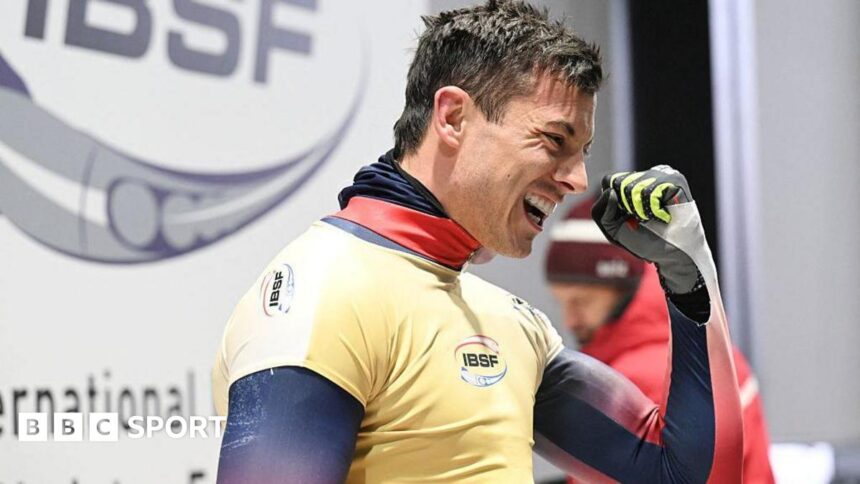
At the very forefront is Matt Weston, the two-time skeleton world champion who is dominating the World Cup standings in the build-up to the Games. Skeleton has been a reliable medal factory for Britain, and Weston’s powerful, consistent sliding makes him a formidable favourite for the podium, potentially even the top step. He embodies the athlete the system was designed to produce.
But the prospects extend far beyond one man. Look for strength across a diverse range of disciplines:
- Curling: Both the men’s and women’s rinks, with Bruce Mouat and Eve Muirhead’s legacy squad, are perennial contenders capable of beating any team on their day.
- Snowboarding and Freestyle Ski: The park and pipe disciplines have yielded medals before and boast athletes like Kirsty Muir (slopestyle skiing) and a cadre of innovative snowboarders who can challenge on any given finals day.
- Bobsleigh: The women’s monobob and two-woman crews have shown flashes of world-class speed, suggesting a breakthrough is possible.
- Short Track Speed Skating: With athletes like Farrell Treacy, the unpredictable drama of short track always offers a chance for a surprise medal.
The Engine of Success: Investment and the “No Compromise” Approach
This rising confidence is not accidental. It is the direct result of UK Sport’s much-debated but undeniably effective “no compromise” funding strategy. By ruthlessly allocating millions of pounds to sports and athletes with the clearest medal potential, they have created a sustainable model for winter success.
This targeted investment funds everything from world-class coaching and cutting-edge equipment (like the secretive aerodynamics of the skeleton sleds) to crucial sports science, nutrition, and access to training facilities abroad. It creates a professional environment where athletes can focus solely on performance. The ambition for two to five medals at the Winter Paralympics in March further underscores this holistic approach, building a parallel pathway for para-athletes in sports like Para alpine skiing and wheelchair curling.
The strategy, however, is not without pressure. Funding for the next Olympic cycle is contingent on results. The public announcement of a four-to-eight medal target is as much a statement of intent to stakeholders as it is a rallying cry for the nation. It holds the system accountable, but also empowers it, giving athletes the certainty they need to plan and train.
Analysis and Predictions: Can Eight Medals Be Won?
From an expert standpoint, the eight-medal dream sits on the optimistic edge of plausible, but it is firmly within the realm of possibility. Achieving it would require what UK Sport calls “conversion”: turning potential and world-ranking positions into podium finishes when the Olympic spotlight is at its most intense.
The path to eight likely looks like this: two medals from skeleton (with Weston a strong candidate for one), at least one from curling, two from the freestyle ski and snowboard squad, and then a combination of breakthroughs in bobsleigh, another from curling, or a shock result in another discipline. The margin for error is slim. Injury, illness, or simply an off day for two or three key contenders could see the total settle closer to the four or five we are accustomed to.
The Milan-Cortina 2026 Games themselves present a fascinating stage. The Italian venues are familiar to most competitors, reducing the “unknown” factor. For British athletes, the time zone and travel are less arduous than for Asian or North American Games, potentially aiding preparation and performance.
A Defining Moment for British Winter Sport
As the opening ceremony on February 6th, 2026 draws nearer, the narrative for Team GB is set. This is no longer just about participating or hoping for a lucky medal or two. It is about a systematic, funded assault on the Winter Olympic medal table. The ambition for a record Winter Olympics medal haul is a bold declaration that Britain is a serious winter sports nation.
Whether the final tally is a solid five or a historic eight, the trajectory is clear. With Matt Weston leading a charge of confident, well-supported athletes, UK Sport has positioned Team GB not just to compete, but to conquer. The ice is prepared, the mountains are waiting, and a nation accustomed to summer sporting glory is ready to embrace a historic winter of success.
Source: Based on news from BBC Sport.