NBA Europe: Real Madrid, Berlin, and the Bold Vision to Reshape Continental Basketball
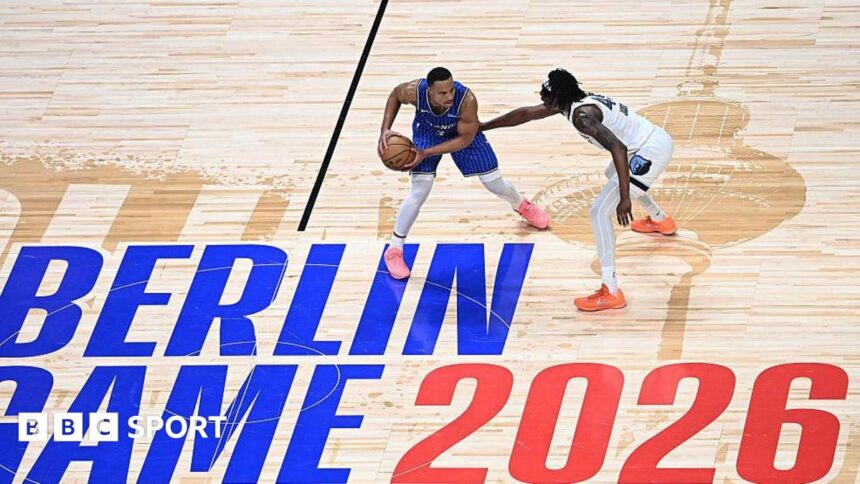
The roar inside Berlin’s Mercedes-Benz Arena on Thursday night was unmistakably NBA. The squeak of sneakers, the thud of a chasedown block, the swell of anticipation on a fast break—it was all there. But the 14,000-strong sell-out crowd, chanting in German, underscored a deeper reality: this was more than just a game. The Orlando Magic’s 118-111 victory over the Memphis Grizzlies served as a live-action proof of concept for the league’s most ambitious international project yet. In the shadows of this historic first regular-season game in Berlin, NBA Commissioner Adam Silver unveiled talks that could redraw the map of professional basketball: the active pursuit of ‘NBA Europe,’ with giants like Real Madrid at the center of the conversation.
From Exhibition Games to a Continental League: The Genesis of a Vision
For decades, the NBA’s relationship with Europe has been one of cultivation—exporting stars, hosting preseason friendlies, and running academies. The success of icons like Dirk Nowitzki, Luka Dončić, and Giannis Antetokounmpo has cemented a transatlantic pipeline of talent and fandom. However, Commissioner Silver’s comments in Berlin signal a dramatic strategic shift from cultural exchange to structural integration. The vision is no longer just about bringing the NBA to Europe for a few nights a year, but about planting a permanent, parallel flag.
The proposed model, targeting a 2027 launch, is both pragmatic and revolutionary. It envisions a league of 10 to 12 set franchises that would compete annually, moving away from the promotion-and-relegation system intrinsic to European football. Crucially, Silver indicated the league would be a hybrid, mixing established European teams with new ones. This is where the mention of Real Madrid becomes seismic. Engaging with a club of Los Blancos’ stature—a global brand with a legendary basketball pedigree—isn’t just dialogue; it’s a statement of intent. The initial funding structure, reportedly to be shouldered by the selected member clubs, suggests a joint venture model, aligning the interests of the NBA with those of Europe’s most powerful basketball institutions.
The Berlin Blueprint: Why Success in Germany is a Catalyst
The choice of Berlin for this announcement was not accidental. Germany represents the NBA’s most fertile European ground, boasting massive TV audiences, a deep talent pool, and now, with Franz Wagner and his brother Moritz, homegrown stars driving relevance. The sell-out for a regular-season game between two small-market NBA teams demonstrates a market hunger that transcends superstar appeal.
This success provides a tangible blueprint for ‘NBA Europe’:
- Proven Market Demand: Berlin’s ticket sales prove fans will pay premium prices for authentic NBA competition, not just exhibitions.
- Infrastructure and Culture: Modern arenas, corporate sponsorship networks, and a thriving basketball culture already exist in key European cities.
- Media Rights Foundation: The NBA’s existing lucrative broadcast deals in Europe create a ready-made audience for a new league.
Berlin, therefore, is more than a host city; it is a leading candidate to be a cornerstone franchise in the new league, potentially as a new entity or in partnership with a club like Alba Berlin. The game was a live audition, and the city passed with flying colors.
Navigating the Court: Challenges and Strategic Implications
For all its promise, the path to ‘NBA Europe’ is fraught with complex challenges. The most significant is the relationship with the existing EuroLeague, the continent’s premier club competition. EuroLeague is steeped in history and operates under a very different, club-owned model. An NBA-backed league would be a direct competitor, potentially triggering a war for top teams, players, and broadcast revenue. Convincing a pillar like Real Madrid to potentially pivot from EuroLeague would require an offer of unparalleled financial stability and global reach.
Other hurdles are equally daunting:
- Logistical Fatigue: A cross-continental schedule raises questions about player workload, travel, and competitive balance.
- Financial Model: While member clubs may fund initially, long-term profitability and revenue sharing with the NBA must be clearly defined.
- Cultural Fit: Can an American-style, closed franchise system be successfully grafted onto a European sporting culture rooted in pyramids and meritocracy?
Silver’s hybrid model seems designed to address this last point. By mixing established European teams with new ones, the league hopes to borrow the legacy and fan loyalty of clubs like Real Madrid while also creating new, commercially optimized entities in markets like Berlin or London.
The 2027 Horizon: Predictions for a New Basketball Landscape
Looking ahead to the proposed 2027 launch, several predictions emerge. The league’s success will hinge on its founding members. Expect a fierce courtship of basketball aristocrats from Spain (Real Madrid, Barcelona), Turkey (Fenerbahçe, Anadolu Efes), and perhaps Greece (Panathinaikos), alongside new franchises in major economic hubs currently underserved by top-flight basketball.
We can anticipate a league structure that may include:
- A condensed, high-profile regular season to manage travel.
- Innovative cross-competition with the NBA, perhaps a revived version of the McDonald’s Championship or a mid-season cup.
- A player acquisition system that blends NBA draft elements with existing European club contracts.
Most importantly, ‘NBA Europe’ would create a definitive, NBA-branded pathway, potentially altering the developmental calculus for every elite European prospect. The choice between the NCAA, domestic academies, and a direct shot at an NBA-owned league would become more complex and lucrative.
Conclusion: A Game-Changing Possibility
The talks between the NBA, Real Madrid, and other European powers are more than mere speculation; they are the opening moves in a high-stakes game for basketball’s future. The sell-out in Berlin proved the audience exists. The involvement of a club like Real Madrid validates the concept’s seriousness. While the obstacles are significant, the strategic logic for the NBA is undeniable: controlled expansion, brand consolidation, and a direct stake in the world’s second-largest basketball market.
If Commissioner Adam Silver can align the interests of iconic European clubs with the NBA’s commercial might, ‘NBA Europe’ could transform the sport’s ecosystem. It would create a new pinnacle for club basketball outside North America, intensify global rivalries, and offer fans a product with unparalleled production quality and competitive depth. The final buzzer has sounded in Berlin, but the real game—the boardroom battle to build a league—has just begun. The vision is clear; the world is watching to see if this audacious play results in a slam dunk or a air ball.
Source: Based on news from BBC Sport.