As Captain, I’ve Made a Terrible Mistake: Harry Brook’s Nightclub Incident and the Weight of the Armband
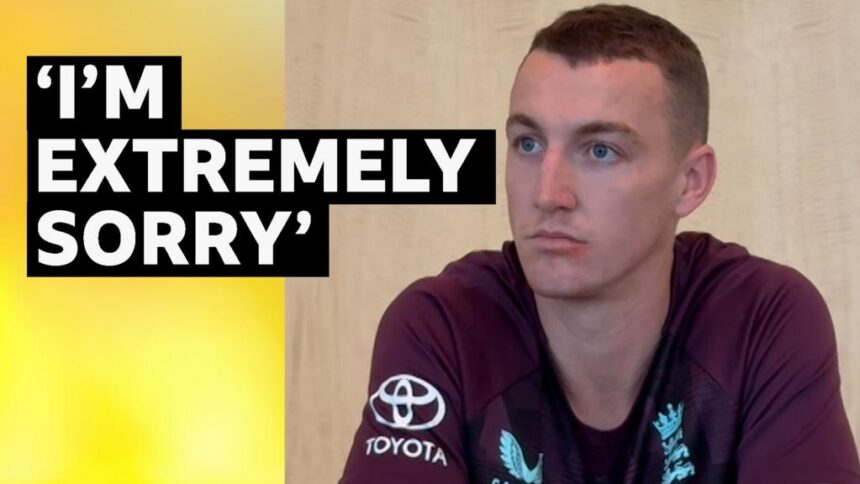
The image of a modern England cricketer is one of controlled aggression, of passion channeled through the willow and the leather. It is not, traditionally, one formed in the flashing lights of a nightclub doorway in the early hours. For Harry Brook, England’s newly anointed white-ball captain, that distinction has blurred catastrophically. In a raw and revealing admission, the young star has confronted a personal and professional crisis head-on, stating plainly: “As captain, I’ve made a terrible mistake.” This is more than a tabloid scandal; it is a profound test of leadership, maturity, and the heavy price of the armband in the unforgiving digital age.
The Incident and the Immediate Fallout: A Breach of Trust
While specific details remain partially shrouded, the facts are stark. During England’s tour of New Zealand earlier this year, an altercation occurred outside a nightclub involving Brook and a member of security. The situation escalated, resulting in Brook being punched by a bouncer. The tour, a precursor to the iconic Ashes series, was meant to be a final tuning of strategies and team cohesion. Instead, it spawned a story of poor judgement that has now, inevitably, surfaced. Brook’s decision to address it publicly, rather than let it fester, is his first captaincy-like act in the saga. He has not shied away, acknowledging that supporters have “every right to be annoyed” with his behaviour. This directness is crucial. In an era of PR-managed non-apologies, Brook’s candid acceptance of fault is a jarring but necessary step towards accountability.
The implications are immediate and multifaceted:
- Personal Safety & Reputation: Any physical altercation, especially one that leaves an elite athlete injured, raises serious concerns about decision-making and off-field conduct.
- Team Discipline: As a senior player and now captain, Brook is expected to set the standard. This incident undermines team discipline and forces management to consider internal sanctions.
- Public Perception: The trust between a team, its captain, and its fans is sacred. Brook admits this trust has been damaged, acknowledging the anger is justified.
The Captaincy Conundrum: Leadership Forged in Fire or Failure?
Harry Brook’s appointment as England’s white-ball captain was a bold, forward-looking move. It signaled a transition from the World Cup-winning era of Eoin Morgan and the tenure of Jos Buttler, betting on Brook’s fearless batting and cricketing intellect. However, captaincy is not played out solely on the field. It encompasses the 22 hours of the day when the player is not in whites. It is about embodying the values of the badge at all times. This incident represents a fundamental failure of that off-field duty.
Expert analysis suggests this is Brook’s crucible. Great captains are not born; they are often shaped by adversity. How he responds will define his leadership arc more than any tactical masterstroke. Will he retreat, becoming a cautious, diminished figure? Or will he use this profound personal error as the foundation for a more resilient, empathetic, and streetwise leadership style? The England & Wales Cricket Board (ECB) now faces its own test: to support a prodigious talent through a self-inflicted crisis while ensuring the message is clear that such behaviour is incompatible with the honour of captaincy. Their handling will set a precedent for the culture of the team for years to come.
Predictions: The Rocky Road to Redemption
The path forward for Harry Brook is fraught with challenge, but not insurmountable. Several key predictions can be made about the fallout and his journey:
- Short-Term Scrutiny: Every public appearance, press conference, and on-field result will be viewed through the lens of this incident. A poor run of form will see the two narratives fatally entwined.
- Internal Leadership Challenge: Veteran players in the dressing room, while likely supportive privately, will need to see genuine, sustained change to fully buy into his captaincy. Respect must be re-earned.
- The Performance Pressure Cooker: Ironically, Brook’s salvation likely lies in his bat. Monumental, match-winning performances can accelerate the path to redemption, shifting focus back to his genius where it belongs. The upcoming white-ball series against top opponents will be his most pressurized yet.
- A Redefined Public Persona: We can expect a more measured, media-conscious Brook in the immediate future. The “lad” narrative has been burned away, potentially giving rise to a more thoughtful, grounded leader.
The true test will be longevity. Can he maintain this contrite focus for the next 12, 24, 36 months? One sincere apology is a start; a changed life is the proof.
Conclusion: A Stump Mic Moment for a Captain’s Soul
Harry Brook’s nightclub altercation is not a trivial “boys will be boys” episode. It is a stump mic picking up a captain’s private failing and broadcasting it to the world. His admission—”a terrible mistake”—carries the weight of a man who knows the currency of leadership has been devalued by his own actions. The incident exposes the brutal truth of modern sport: talent alone does not make a captain. Character, judgement, and an unwavering commitment to exemplifying the team’s values are the non-negotiable pillars.
For England fans, the annoyance is valid. For the ECB, it is a management headache. But for Harry Brook, it is the defining challenge of his young career. The coming months will reveal whether this terrible mistake remains a permanent stain or becomes the painful, necessary origin story of a wiser, stronger, and ultimately more successful England captain. The armband, as he has now learned in the hardest way possible, is not just worn on the sleeve; it is a constant, weighty companion. How he chooses to carry that weight from here will determine everything.
Source: Based on news from BBC Sport.