Women’s Club World Cup: A Global Prize or a Domestic Disaster for the WSL?
The promise of a global stage, the allure of a first-ever world champion’s crown, and the prestige of competing against the best clubs from every continent. FIFA’s announcement of the inaugural Women’s Club World Cup, set for January 2028, is a landmark moment for the sport’s growth. Yet, in the boardrooms of England’s Women’s Super League, the reaction is not one of unbridled celebration, but of profound concern. League officials have branded the proposed scheduling as potentially “catastrophic,” setting the stage for a high-stakes clash between global ambition and domestic stability. As Arsenal secure their place as the first English entrants, the beautiful game faces an ugly logistical dilemma.
The Fixture Pile-Up: A “Catastrophic” Calendar Crunch
At the heart of the controversy is a simple, yet devastating, calendar collision. FIFA has slated the 16-team tournament to run from January 5 to 30, 2028. This isn’t a summer showcase or an end-of-season finale; it is a month-long event carved directly from the core of the European domestic season. For the WSL, which typically runs from September to May, this represents an unprecedented disruption.
Imagine the scenario: The 2027-28 WSL season grinds to a halt in early January. Key players from Arsenal, Chelsea, and potentially other English clubs depart for the Club World Cup. The remaining WSL fixtures, featuring depleted squads, would either be played in a diminished state or postponed, creating a chaotic backlog for the spring. This isn’t just an English problem; it’s a continental crisis. Leagues in France, Germany, and Spain share the WSL’s fears, facing the same existential threat to their competitive integrity and commercial momentum.
The physical toll on players is another critical concern. The proposed model mirrors the expanded men’s tournament, demanding a high intensity of games in a short period. For elite female athletes already navigating a packed schedule of league, domestic cup, and UEFA Champions League football, adding a month-long global tournament mid-season is a recipe for burnout and injury.
Growth vs. Governance: FIFA’s Vision vs. League Reality
FIFA’s ambition is clear and, from a global perspective, understandable. The women’s game deserves its own definitive world club championship. The tournament promises:
- Unprecedented Global Exposure: Spotlighting clubs from emerging leagues alongside European powerhouses.
- Substantial Financial Incentives: New revenue streams for clubs, potentially aiding financial sustainability.
- Sporting Legacy: Creating a new pinnacle achievement, a “world champion” badge of honor.
However, the WSL and other leagues argue this growth cannot come at the cost of destroying the ecosystems that nurtured it. The WSL has built its success on consistent narrative, weekly engagement, and growing attendances. A month-long hiatus, with top stars absent, could shatter that momentum. Broadcast deals, sponsorship agreements, and fan loyalty are built on the reliability of the product. A fractured season risks alienating the very audience the sport seeks to captivate.
This conflict highlights a broader power struggle: FIFA’s top-down approach to calendar management versus the autonomy of domestic leagues. The WSL’s “catastrophic” warning is a shot across the bow, a demand for consultation and a schedule that respects the foundations of the game.
Case Study: Arsenal and the Pioneer’s Burden
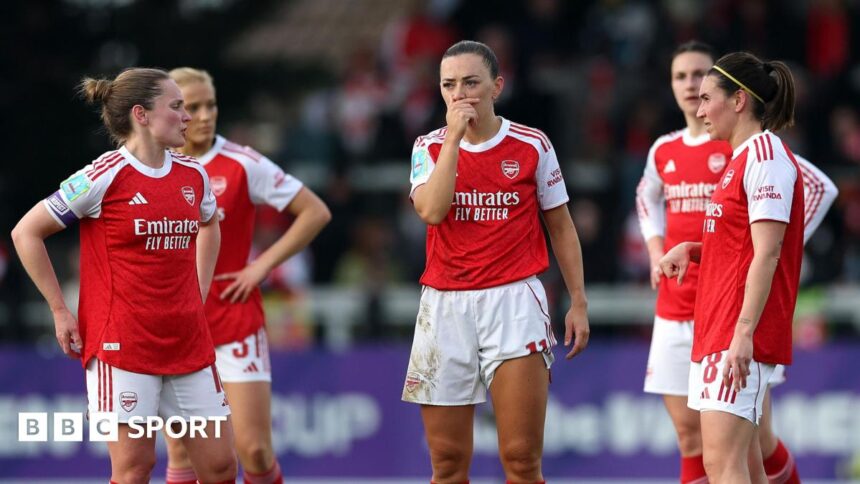
Arsenal’s qualification as 2025 Champions League winners casts them as accidental pioneers in this debate. While competing for a world title is a dream, the practicalities are a nightmare. Manager Jonas Eidevall could face a season where his squad is split between two major tournaments, degrading their ability to challenge on the domestic front. Key commercial and broadcast partnerships for the club are tied to WSL performance, creating potential conflicts.
Chelsea, likely to join via coefficient rankings, faces a similar quandary. For these clubs, the 2027-28 season becomes a daunting triathlon: a disrupted WSL campaign, a quest for European glory, and a winter World Cup tournament. The strain on squad depth, financial planning, and player welfare will be immense. Their experience will serve as a crucial test case for whether such a schedule is sustainable for elite women’s clubs.
Potential Consequences for the WSL Ecosystem:
- Competitive Imbalance: Matches between teams with and without Club World Cup participants become farcical.
- Fan Disengagement: A month without key players and meaningful fixtures cools fan interest.
- Broadcaster Discontent: TV partners pay for a premium product, not a depleted league.
- Player Welfare Crisis: Increased risk of injury and mental fatigue from an unrelenting schedule.
Finding a Solution: Pathways to a Sustainable Future
Avoiding catastrophe requires compromise and creative thinking. The current January 2028 date appears untenable. Several alternative solutions must be urgently explored:
1. A Summer Slot: Aligning the tournament with the traditional off-season or the post-season period in major leagues, similar to the men’s tournament, is the most logical fix. This avoids direct conflict with domestic campaigns.
2. A Biennial Format: Holding the event every two or even four years would reduce fixture congestion and increase its prestige, making it a special event rather than an annual burden.
3. Integrated Calendar Reform: This is the nuclear option, but perhaps the necessary one. FIFA, UEFA, and domestic leagues must collaboratively redesign the entire women’s football calendar. This could involve shifting to a single-year calendar (January-December) or creating protected windows for international and club tournaments.
The path forward hinges on genuine collaboration between FIFA and domestic leagues. The WSL’s vocal opposition is not a rejection of progress, but a defense of the competitive integrity that has driven the women’s game’s spectacular rise in England.
Conclusion: A Crossroads for the Women’s Game
The inaugural Women’s Club World Cup stands at a crossroads. It can be a catalyst for global unity and growth, or it can become a case study in poor planning that fractures the sport’s most successful leagues. The WSL’s “catastrophic” warning is a necessary intervention, a call for sanity in the pursuit of glory.
For the sake of players, fans, and the long-term health of leagues like the WSL, FIFA must listen. The dream of a world club champion is a worthy one, but it cannot be built on the broken foundations of domestic competitions. The solution lies not in a dictatorial calendar imposition, but in a partnership that respects both the global vision and the local roots. The world is waiting for a spectacular tournament, but not at the cost of the seasons that make clubs worthy of competing on that stage in the first place.
Source: Based on news from BBC Sport.