From Olympic Glory to Alleged Narco-Terror: The Stunning Fall of Ryan Wedding
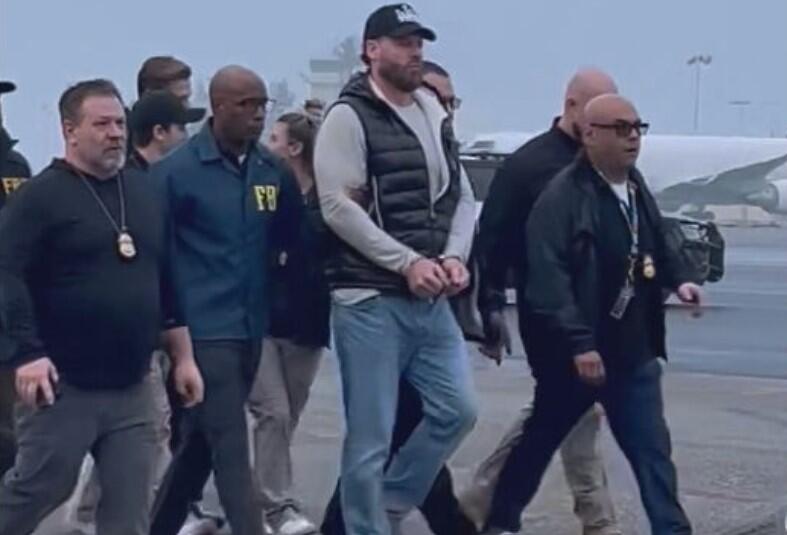
The archetype of the fallen hero is a tale as old as time, but rarely does it manifest with such shocking, cinematic brutality. The image of a handcuffed Ryan Wedding, clad in casual streetwear and flanked by stone-faced FBI agents, descending the stairs of a U.S. government plane in Ontario, California, is a portrait of a life violently off its axis. Just hours before, the 44-year-old Canadian was in Mexico City, a fugitive allegedly presiding over a vast criminal empire. His arrest, announced by Justice Department officials, closes a chapter on one of the most dramatic and disturbing downfalls in recent memory: an Olympic athlete turned alleged drug kingpin accused of orchestrating multiple murders.
The Pinnacle and the Plunge: A Life in Stark Contrast
Ryan Wedding’s story begins on the pristine, groomed slopes that symbolize global athletic prestige. As an Olympic snowboarder, he represented the pinnacle of discipline, focus, and physical excellence. The world saw a dedicated competitor; a man who had mastered his craft to perform on sport’s grandest stage. This public persona makes his alleged metamorphosis into a figure the FBI compares to Pablo Escobar and El Chapo all the more incomprehensible.
The details released by authorities paint a picture of a shadow empire built with ruthless efficiency. FBI Director Kash Patel’s statement was unequivocal and damning: “He went from an Olympic snowboarder to the largest narco-trafficker in modern times.” This is not the language of a simple drug distributor; it is the designation reserved for architects of transnational crime. The specific allegations include:
- Orchestrating multiple murders to enforce his rule and eliminate rivals.
- Controlling a significant portion of North American narcotics trafficking.
- Utilizing his wealth, influence, and likely his understanding of cross-border logistics to build his network.
- Evading capture for years by operating from Mexico, much like the cartel leaders he is now compared to.
The visual evidence—the video of his perp walk off the plane—is deliberately stark. There is no glamour, only the cold mechanics of justice being served on a man who, authorities allege, believed himself untouchable.
Expert Analysis: The Psychology of a Catastrophic Fall
To understand the Ryan Wedding case, one must look beyond the headlines and into the complex interplay of psychology, opportunity, and the void that can follow elite athletic careers. Sports psychologists and criminologists point to several potential factors.
The Post-Olympic Identity Crisis: For many athletes, life after the Olympics is a profound challenge. The adrenaline, the structure, the singular purpose vanish. For some, the search for a new “high” or a new arena to conquer can lead down dark paths. The transition from the regulated world of international sport to the lawless, high-stakes world of cartels is an extreme manifestation of this crisis.
The Transfer of Skills: Elite athletes possess traits valuable in both arenas: risk tolerance, intense focus, logistical planning, and a relentless drive to win. Wedding may have tragically redirected these traits from mastering half-pipes to mastering smuggling routes and criminal enterprise.
The Allure of Power and Empire: Director Patel’s comparison to Escobar and El Chapo is not merely for effect. It suggests Wedding wasn’t just moving product; he was building a legacy of criminal power. The allegation of orchestrating murders is the ultimate signature of a kingpin seeking to command through fear, a grotesque parallel to the dominance he once sought on the snow.
“This isn’t a story of petty crime,” notes a former federal prosecutor specializing in transnational gangs. “This is about someone seeking to fill a void with a level of power and notoriety that even Olympic fame could not provide. The athletic discipline warped into criminal ambition.”
Legal Roadmap and Broader Implications
Wedding’s arrest in Mexico and swift rendition to the United States signals the seriousness of the case and the depth of international cooperation. He now faces a legal battle that will scrutinize every alleged murder and every kilogram of narcotics tied to his network. The prosecution will likely seek to use his high-profile status to send a message.
The case also raises uncomfortable questions for the sports world and beyond:
- Athlete Transition Programs: Are sports federations and Olympic committees doing enough to support athletes’ mental health and life planning after competition ends?
- Border Security and Crime: How did an alleged kingpin of this magnitude operate for so long, and what does his network reveal about the evolving landscape of transnational crime?
- The Narrative of Redemption vs. Justice: While his athletic past will be a focal point, the justice system will rightly focus on the severity of the alleged crimes—murder and large-scale trafficking—which carry the potential for life imprisonment.
Conclusion: A Legacy Forever Shattered
The final image of Ryan Wedding will not be one of Olympic triumph, of a athlete poised at the top of a mountain, representing the hopes of a nation. It will be the FBI’s video: a man in handcuffs, walking into custody, his alleged legacy one of violence and poison. His story is a chilling modern parable about the corruptibility of ambition and the dangerous paths that can follow a fall from grace.
FBI Director Patel’s words at the Ontario airport hang in the air: “He thought he could evade justice.” He could not. The long arm of the law has reached from the mountains of Mexico to the tarmac of Southern California, closing in on a man who traded the glory of sport for the infamy of alleged crime. The world that once cheered him now watches in stunned silence as the next chapter—a fierce legal battle where the stakes are not medals, but freedom itself—begins. The snowboarder is gone; in his place stands the defendant, his astonishing fall from grace now complete.
Source: Based on news from Yahoo Sports.