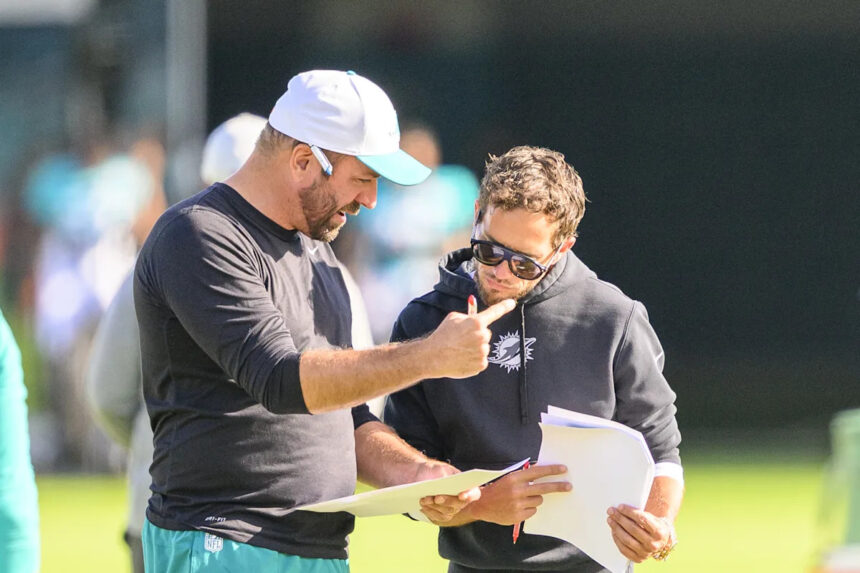
Eagles Cast a Wide Net, Interview Dolphins’ Frank Smith for Offensive Coordinator
The Philadelphia Eagles’ search for their next offensive coordinator has become one of the most scrutinized processes of the NFL offseason. After a high-profile swing and miss at Miami’s Mike McDaniel, the Eagles are now digging into his coaching tree. According to reports on Monday, the team has interviewed Dolphins offensive coordinator Frank Smith, signaling a fascinating and perhaps pragmatic pivot in their quest to revitalize an offense that stumbled dramatically down the stretch in 2023.
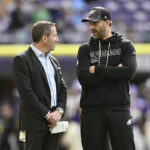
This move is more than just a consolation interview. It represents a clear strategy from Head Coach Nick Sirianni and General Manager Howie Roseman: cast a wide net, gather intel, and leave no stone unturned. With several top candidates opting for other opportunities, the Eagles are engaging in deep due diligence, talking to coaches from diverse backgrounds and schemes. Bringing in Frank Smith, a respected figure who has yet to call plays, is a calculated look at potential, philosophy, and the inner workings of one of the league’s most dynamic offenses.
From the McDaniel Tree: Who is Frank Smith?
Frank Smith’s name may not resonate with the casual fan, but his resume is a testament to steady, league-wide respect and a well-rounded apprenticeship. His NFL coaching journey is a tour of offensive line and tight end rooms, building a foundation in the trenches that many play-callers lack.
- New Orleans Saints (2010-2014): Began as an assistant offensive line coach under Sean Payton, learning a prolific passing attack.
- Chicago Bears (2015-2017): Served as tight ends coach, working with players like Zach Miller.
- Oakland/Las Vegas Raiders (2018-2020): Continued as tight ends coach, developing Darren Waller into a Pro Bowl weapon.
- Los Angeles Chargers (2021): Elevated to run game coordinator and offensive line coach, directly shaping a top-10 offense with Justin Herbert.
- Miami Dolphins (2022-2023): Hired as offensive coordinator under Mike McDaniel, though McDaniel retained play-calling duties.
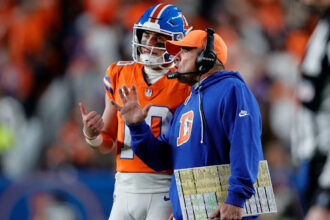
This path is crucial to understanding Smith’s appeal. He is not a “system” quarterback coach turned coordinator. His expertise is rooted in blocking schemes, run-game design, and the development of both linemen and pass-catchers. In Miami, while McDaniel called plays, Smith was instrumental in installing the game plan, teaching the complex outside-zone and motion-heavy scheme, and coordinating the weekly offensive preparation—a “collaborative play-caller” in McDaniel’s own words.
The Eagles’ Evolving Search Strategy: Intelligence Gathering
The initial list of candidates for the Eagles’ OC job read like a who’s who of offensive minds: McDaniel, Texans QB coach Jerrod Johnson, Lions passing coordinator Tanner Engstrand, and others. As several names landed elsewhere or stayed put, a pattern emerged in Philadelphia. They are not just hiring a play-caller; they are conducting a masterclass in offensive scheme research and philosophical exploration.
By interviewing candidates from systems as varied as the Shanahan/McDaniel outside-zone tree, the Lions’ versatile attack, and even internally with quarterbacks coach Alex Tanney, the Eagles are doing deep dives into different “ways of doing things.” The Frank Smith interview is a prime example. Even if he is not ultimately handed the play sheet, the Eagles gain invaluable, firsthand insight into the mechanics, terminology, and teaching methods of the Dolphins’ offense—a scheme that has given NFL defenses fits.
This approach suggests the Eagles are not necessarily looking for a savior with a ready-made playbook, but a collaborator who can synthesize ideas and tailor an offense to the existing talents of Jalen Hurts, A.J. Brown, DeVonta Smith, and Dallas Goedert. Smith’s background in building a system around a mobile quarterback (Tua Tagovailoa’s quick game) and explosive receivers aligns directly with Philadelphia’s personnel.
The Play-Calling Question: Risk vs. Reward
The most significant question mark surrounding Frank Smith is the one he cannot yet answer: Can he call plays at an elite NFL level? It is the ultimate unknown. His entire coordinator tenure has been in a support role to McDaniel. For a franchise with Super Bowl aspirations and a quarterback in his prime, entrusting the offense to a first-time play-caller is a substantial gamble.
However, the potential reward is equally compelling. Smith represents a fresh voice, unburdened by past failures or rigid dogma. His foundational work with offensive lines could be a boon for a Philadelphia unit that underperformed in 2023. His experience in Miami demonstrates he can coach and refine the precise, timing-based passing game that the Eagles often lacked, while his Chargers tenure shows a capability to build a potent, balanced run game.
The Eagles may view this as an opportunity to hire a high-ceiling coordinator before his market explodes—much like teams did with McDaniel, who was also an unproven play-caller before getting the Dolphins head job. Pairing Smith with an experienced offensive mind, perhaps as a senior assistant, could mitigate the risk and allow his organizational and teaching skills to shine.
Prediction: A Broader Vision for the Eagles’ Offense
Where does the search go from here? The interview with Frank Smith indicates the Eagles are comfortable thinking outside the box. They are not panicking because the “hot” names are off the board; they are methodically building a profile.
I predict the Eagles will continue to interview a mix of experienced and up-and-coming candidates. The final choice will likely be someone who demonstrates not just schematic brilliance, but the adaptive capacity to blend systems. The next Eagles offense will probably not be a pure carbon copy of Miami, San Francisco, or Detroit. It will need to be a hybrid that maximizes Jalen Hurts’ unique dual-threat capabilities while introducing more schematic deception, quick-game efficiency, and run-game diversity.
Whether Frank Smith is the man to craft that vision remains to be seen. But his interview is a telling clue. The Eagles are looking for a builder, a teacher, and a collaborator—perhaps more than they are looking for a traditional, autonomous play-calling maestro. In a league constantly chasing the next offensive trend, Philadelphia is doing the hard work of understanding the “why” behind the success, and that process alone makes this a pivotal and intelligent search for the franchise’s future.
Conclusion: Process Over Panic in Philadelphia
The Philadelphia Eagles’ offensive coordinator search has been a lesson in modern NFL team-building. Missing on a top target like Mike McDaniel could have sparked a rushed decision. Instead, it triggered a more thorough and intriguing investigation. The interview with Frank Smith is a cornerstone of that approach—valuing substance, diverse experience, and insider knowledge of successful systems over immediate headline appeal.
Smith embodies the under-the-radar candidate with a proven track record of development and a front-row seat to offensive innovation. While the play-calling inexperience is a legitimate concern, his comprehensive background offers a foundation upon which a successful offense can be rebuilt. For the Eagles, this process is about more than filling a vacancy; it’s about reimagining their offensive identity. Whether Smith gets the job or not, his inclusion in the search proves the Eagles are committed to a deep, thoughtful, and original process to reclaim their place among the NFL’s offensive elite.
Source: Based on news from Yahoo Sports.