Super Bowl LX Merch Meltdown: Patriots, Seahawks Fans Fume Over Quality as Fanatics Responds
Super Bowl week is a pilgrimage. It’s a celebration of football, a clash of cultures, and for thousands of fans, a once-in-a-lifetime investment in fandom. For New England Patriots and Seattle Seahawks supporters who made the costly journey to California for Super Bowl LX, however, the dream start has been marred by an unexpected adversary: the official merchandise. As teams began their final preparations, a wave of frustration swept through fan bases, shifting focus from the gridiron battle to the disappointing quality and availability of the very gear meant to commemorate it. The escalating backlash has forced a public response from Fanatics, the NFL’s exclusive merchandise partner, turning a routine retail operation into a central storyline of the big game.
A Tide of Discontent: From Celebration to Frustration
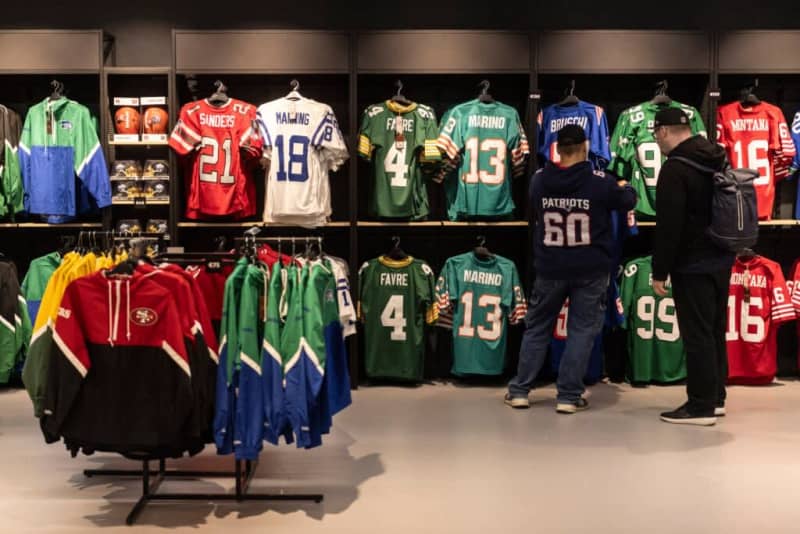
Upon arrival in the host city, the first stop for many fans is the official Super Bowl shop. Jerseys, hats, and hoodies bearing the coveted Super Bowl LX patch are not just souvenirs; they are tangible proof of allegiance and a historic moment. This year, that ritual has sparked outrage. Patriots and Seahawks fans have taken to social media and fan forums with a litany of complaints. The issues are multifaceted, creating a perfect storm of disappointment ahead of the league’s premier event.
Key complaints from travelling fans include:
- Inconsistent Jersey Quality: Reports of poorly sewn patches, misaligned logos, and cheap-feeling fabric compared to regular-season Nike jerseys.
- Stock Shortages: Popular player names and sizes were reportedly unavailable at key retail locations, a critical failure for an event with known participants weeks in advance.
- Logistical Hiccups: Online orders placed for in-person pickup were allegedly unfulfilled, leaving fans empty-handed after long journeys.
- Perceived “Fanatics” Brand Dilution: A sentiment among hardcore collectors that the exclusive Fanatics-branded gear lacks the premium feel of traditional Nike or team-issued apparel.
This isn’t merely about a loose thread. For a fan spending hundreds, if not thousands, on travel and tickets, a subpar $150 jersey becomes a symbol of a botched experience. “You save for years for this trip, and the official gear feels like a knockoff you’d find in a discount bin,” one disgruntled Patriots fan commented online, capturing the emotional sting behind the practical complaints.
Fanatics in the Hot Seat: The Company’s Response
The volume of criticism could not be ignored. Fanatics, which holds the exclusive license to produce Nike-branded NFL consumer jerseys and operates the vast majority of official retail for the Super Bowl, issued a public acknowledgment of the situation. In a statement, the company expressed regret for the experience of some fans and emphasized its commitment to quality. They cited the “extraordinary demand” surrounding Super Bowl LX and the complex logistics of supplying two teams’ worth of championship merchandise on a tight timeline as contributing factors.
Industry analysts, however, see deeper roots. Fanatics’ business model, built on exclusive, wide-reaching licenses across major sports leagues, has faced increasing scrutiny. Critics argue that a lack of retail competition can lead to complacency on quality control and customer service. “When you are the only game in town for official gear, the incentive to exceed expectations diminishes,” notes sports business analyst Marcus Thorne. “This Super Bowl incident is a flare, highlighting a simmering discontent that has been building among dedicated fans who feel they are paying premium prices for a declining product.”
The company has promised direct outreach to affected customers and expedited solutions, including replacements and refunds. Yet, for fans on the ground in California, these are reactive measures. The damage to the celebratory atmosphere—and to brand trust—is already done.
Beyond the Jersey: A Reputational Fumble for the NFL
While Fanatics is the immediate target of fan fury, the reputational fallout extends to the NFL shield itself. The league meticulously controls its brand presentation, especially at the Super Bowl, which is as much a global marketing spectacle as a sporting contest. Merchandise is a direct extension of that brand. Poor-quality gear under the bright lights of Super Bowl week tells a story of corner-cutting that contradicts the NFL’s image of excellence and prestige.
This incident also exposes a vulnerability in the modern fan experience. In an era where live events are pitched as priceless, immersive experiences, every touchpoint matters. A faulty jersey becomes a lasting physical reminder of a flawed process. It fuels a narrative that the league and its partners take the fan’s dollar for granted, prioritizing profit margins over the product in the hands of the consumer. For the Patriots and Seahawks, teams with famously passionate and detail-oriented fanbases, this oversight feels particularly egregious.
Predictions and Lasting Implications
The immediate fire will be managed. Fanatics will rectify the most egregious cases, and the on-field drama of Super Bowl LX will eventually dominate the headlines. But the long-term implications of this merchandise meltdown are significant.
First, expect increased pressure on the NFL to re-evaluate its exclusive partnership structure. While financially lucrative, the league cannot afford for its biggest event to be consistently associated with product complaints. Other manufacturers may now see an opening to lobby for a piece of the high-stakes championship merchandise business.
Second, Fanatics must undertake a visible and substantial quality assurance overhaul. This public relations hit will force internal scrutiny of its production and logistics chains. The company may introduce new “premium” lines or enhanced quality guarantees for major events to rebuild trust with the core fan base.
Finally, this episode empowers the voice of the fan. In the age of social media, collective dissatisfaction can swiftly scale from a complaint to a crisis. Leagues and partners will be on high alert for similar issues at future marquee events, knowing that the crowd’s roar can now be about more than just the game on the field.
Conclusion: A Championship Lesson in Fan Experience
As the Patriots and Seahawks prepare to battle for the Lombardi Trophy, their fans have already endured a different kind of contest—one for value, quality, and respect. The Super Bowl LX merchandise fiasco is more than a shipping error or a quality control lapse; it is a stark reminder that in the commercial colossus of modern sports, the fan’s experience remains fragile. The jerseys and hats are meant to be cherished artifacts of history. When they fall short, they memorialize disappointment instead of glory.
The NFL and Fanatics have been handed a costly lesson. In the high-stakes economy of fandom, the product off the field must honor the passion displayed on it. For the fans in California, the hope is that the memory of a thrilling Super Bowl will eventually overshadow the frustration of a poorly made jersey. But for the league and its partners, the work to repair that trust begins the moment the confetti is swept away. The true test won’t be at Super Bowl LX, but in ensuring the fans at Super Bowl LXI never have to fight this battle again.
Source: Based on news from Yahoo Sports.