Bare-Knuckle Boxing’s Bloody Ascent: Can Safety and Mainstream Appeal Coexist?
The air in the Vale Sport Arena is thick with sweat, smoke, and primal roar. In the center of the canvas, two men circle, their hands wrapped in gauze but otherwise naked to the brutal physics of fist on bone. This is bare-knuckle boxing, a sport as old as combat itself, staging a 21st-century comeback. As organizations like BKFC (Bare Knuckle Fighting Championship) secure major TV deals and sign UFC legends, the sport is clawing its way from underground spectacles toward the fluorescent lights of mainstream acceptance. But one haunting question shadows every punch thrown: in an era of heightened safety consciousness, just how safe is bare-knuckle boxing?
The Allure of the Raw: Why Fighters Embrace the Brutality
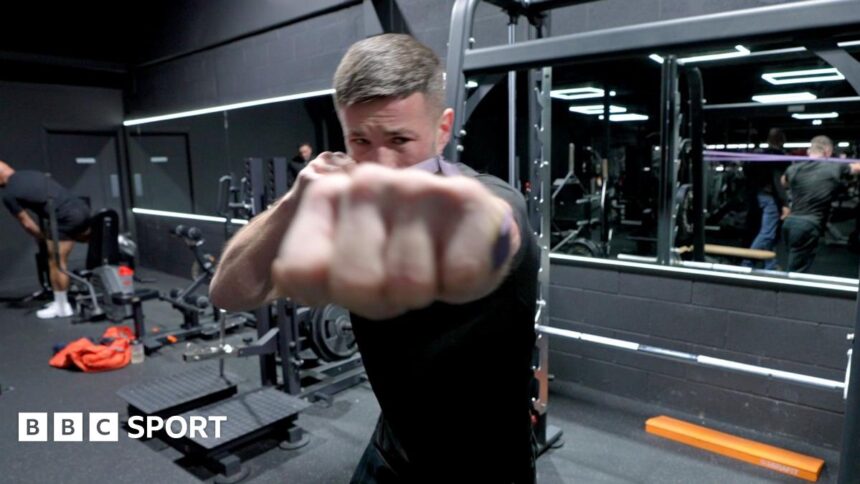
To understand the sport’s rise, one must first understand the fighter’s psyche. For athletes like Liam Rees, a Welsh carpenter and former bare-knuckle world champion, the appeal is paradoxically pure. “One punch could change your life. But I love the sport,” he states, capturing the central dichotomy. There is no padding to obscure technique, no glove to hide behind. It is a stark, visceral test of skill, grit, and pain tolerance that traditional boxing, in their view, has over-sanitized.
For Rees, the sport is a demanding second life. By day, he measures and cuts wood, a tradesman’s precision. By night, he trains for uncontrolled chaos. The brutal honesty of bare-knuckle fighting offers a raw adrenaline that becomes addictive. “Nothing can replace the buzz for him,” observers note, even as his wife, Emma, gently implored her bloodied partner to quit after a recent title loss. This is the core conflict: a deep, personal love for the craft versus the very visible, scarlet-stained risks it entails.
Medical Scrutiny: Weighing the Cuts Against the Concussions
The safety debate hinges on a critical comparison: traditional gloved boxing versus bare-knuckle. The immediate visual is the most jarring difference—lacerations. Bare knuckles on facial bones cause significant splitting and bleeding. However, a growing body of expert analysis suggests the long-term dangers may tell a more complex story.
- Reduced Traumatic Brain Injury (TBI) Risk? Some medical professionals posit that the absence of heavy gloves may lead to fewer repetitive sub-concussive blows. Fighters cannot punch as hard, as frequently, to the head without injuring their own hands, potentially shortening fights and reducing sustained head trauma.
- The Laceration Factor: While gruesome, facial cuts are generally considered a less severe, more treatable injury compared to chronic brain damage. They stop fights quickly, serving as a natural “check” on prolonged beatings.
- Hand Fractures as a Limiter: The high risk of metacarpal fractures acts as a built-in deterrent to wild, power-punching barrages, potentially encouraging more tactical, defensive fighting.
Dr. John B. (a sports physician consulting in combat sports, who requested anonymity due to the controversial nature of the topic) notes, “The data is nascent, but the hypothesis is intriguing. Gloves were invented to protect the hands, not the brain. They allow fighters to use their fists as weapons more relentlessly. Bare-knuckle may be visually more savage but neurologically less damaging in the long run—though this is far from proven.”
The Path to Legitimacy: Regulation, Investment, and Cultural Shift
For bare-knuckle boxing to shed its “human cockfighting” stigma and achieve true mainstream appeal, it must build a fortress of legitimacy. This goes beyond medical debates and into the infrastructure of the sport itself.
Major promotions are investing heavily in professionalized safety protocols. This includes:
– Pre- and post-fight medicals, including advanced neuro checks and MRI availability.
– Strict, enforced weight-cutting policies to prevent dehydrated, vulnerable fighters.
– Experienced referees with mandates to stop fights at the first sign of a compromised fighter.
– Robust, immediate in-ring medical care focused on laceration control and concussion assessment.
Furthermore, the influx of established MMA and boxing stars provides a veneer of athletic credibility, attracting a broader fanbase. The presentation is shifting from back-alley brawling to a regulated sport with rankings, championships, and professional production values. The challenge is maintaining the raw, outlaw appeal that fans crave while operating with the clinical safety standards the modern market demands.
The Bleeding Edge: Predictions for the Sport’s Fractured Future
Where does bare-knuckle boxing go from here? Its trajectory is promising but precarious. Several key predictions define its potential path.
First, mainstream acceptance will be conditional and niche. It will likely never reach the universal approval of the NFL or Premier League, but it can secure a dedicated, profitable place on the combat sports landscape, akin to where MMA stood 15 years ago. Second, the sport’s very survival depends on transparent, independent medical research. Promotions that fund and publish long-term studies on fighter health will win regulatory and public trust.
Finally, the athlete’s dilemma, embodied by Liam Rees, will remain. The sport will continue to attract a certain breed of competitor—one who trades the relative safety of gloves for a purer, more dangerous test. The image of a bloodied fighter being begged by a loved one to stop will remain a potent part of the sport’s narrative, simultaneously its biggest marketing hook and its greatest ethical hurdle.
Conclusion: A Sport Defined by Its Contradictions
Bare-knuckle boxing’s fight for the mainstream is a battle against perception, physiology, and its own bloody history. Its safety profile is a paradox: potentially less insidious brain trauma traded for more acute, graphic facial damage. Its appeal is a contradiction: the pursuit of recognition through an act society deems unrecognizably violent.
As Liam Rees returns to his carpentry, nursing his wounds and his passion, the sport itself is under construction. The blueprint for its future includes stricter safety beams, a foundation of medical data, and an audience increasingly fascinated by unfiltered combat. Whether it can build a lasting home in the mainstream without sanding down its dangerously alluring edges remains the ultimate, unanswered question. One thing is certain: every punch thrown on its journey will be felt, debated, and will ultimately define whether this ancient sport has a modern place.
Source: Based on news from BBC Sport.