Real Madrid’s Rodrygo Suffers Devastating ACL Injury, Set to Miss 2026 World Cup for Brazil
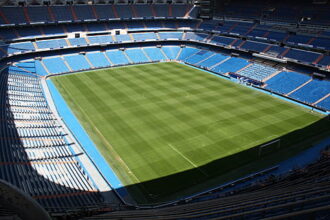
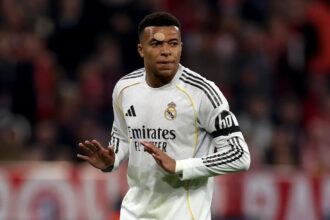
The cruel, unforgiving nature of football has struck again, this time robbing one of the world’s most electric talents of his dream stage. Real Madrid and Brazil forward Rodrygo Goes has been diagnosed with a ruptured anterior cruciate ligament and lateral meniscus in his right knee, an injury that will sideline him for up to a year and almost certainly exclude him from the 2026 FIFA World Cup. The news sends shockwaves through the Santiago Bernabéu and the entire Brazilian national team setup, casting a long shadow over the upcoming tournament in North America.
A Fateful Substitution: The Moment Disaster Struck
The injury occurred under the most innocuous of circumstances, a stark reminder of the fragility of an athlete’s career. In Real Madrid’s 1-0 La Liga loss to Getafe on Monday, Rodrygo entered the pitch as a second-half substitute, tasked with providing a spark. While the details of the specific play remain unclear, the aftermath is devastatingly concrete. Club medical tests confirmed the dual ligament damage on Tuesday, outlining a long and arduous road to recovery ahead.
This is not a simple muscle strain. The ACL rupture is one of the most severe injuries in sports, typically requiring reconstructive surgery and a meticulous rehabilitation protocol that can span 9 to 12 months. The additional meniscus damage complicates the timeline further. Real Madrid’s statement was clinical, but the implications are profound for both club and country.
A Crushing Blow for Brazil’s World Cup Ambitions
For the Brazilian national team, known as A Seleção, this loss is a tactical and spiritual setback. Rodrygo had become an integral part of the squad’s present and future. His performances at the 2022 World Cup in Qatar showcased his big-game temperament and versatility, attributes that are gold dust in tournament football.
- World Cup Experience: Rodrygo played in all five of Brazil’s matches in Qatar, starting two and providing a crucial assist.
- Attacking Versatility: Capable of playing on either wing or through the middle, he offered Coach Dorival Júnior invaluable tactical flexibility.
- Clutch Gene: Known for his composure in high-pressure moments, a trait famously displayed in Real Madrid’s UEFA Champions League triumphs.
With Brazil’s first 2026 World Cup match scheduled for June 13 against Morocco in East Rutherford, New Jersey, the calendar is unforgiving. Even an optimistic recovery puts Rodrygo’s participation in serious doubt, forcing a major rethink of Brazil’s attacking plans for the tournament.
Real Madrid’s Tactical Conundrum and the Road to Recovery
At the club level, Carlo Ancelotti must now navigate a significant portion of the upcoming season without a key offensive weapon. Rodrygo’s unique profile—his direct running, synergy with Vinícius Júnior, and improved finishing—is not easily replicated. His absence will place greater burden on the squad’s depth and may accelerate the club’s plans in the transfer market.
More importantly, the focus now shifts to Rodrygo the person. At just 25 years old, he faces the most challenging period of his professional life. The psychological impact of such an injury, coupled with missing a World Cup, cannot be overstated. His support system at Real Madrid, renowned for its player care, will be as crucial as the physical rehabilitation.
Expert analysis suggests his return will be a carefully managed process. The primary goal will be a full recovery, not a rushed return for the World Cup. History shows that modern medicine and elite sports science can bring players back to their peak, but patience is non-negotiable.
Predictions: Who Benefits and What’s Next for Rodrygo?
The fallout from this injury will create ripple effects across the football world. Within the Brazilian squad, players like Raphinha (Barcelona), Savinho (soon-to-be Manchester City), and Martinelli (Arsenal) may see their roles expand significantly. It also opens a door for emerging talents to make their case in the pre-tournament friendlies.
For Real Madrid, the immediate future involves adapting. We can expect:
- Increased minutes for Arda Güler and Brahim Díaz in wide areas.
- A potential tactical shift to maximize Jude Bellingham’s advanced runs.
- Persistent transfer speculation linking the club to other elite wingers.
As for Rodrygo, the prediction is one of resilience. His career trajectory suggests a player of immense mental strength. While the 2026 World Cup appears lost, his prime years are still ahead. A successful recovery could see him return hungrier than ever, aiming for the 2027 FIFA Confederations Cup (if revived) and, ultimately, the 2030 World Cup.
Conclusion: A Somber Reminder in the Beautiful Game
The injury to Rodrygo is a heartbreaking story of potential postponed. It underscores the brutal physical demands placed on modern footballers and the fine line between glory and agony. As the football world gears up for the spectacle of the 2026 World Cup, one of its would-be stars will be watching from the sidelines, fighting a different kind of battle.
Our focus should not only be on the void he leaves but on the strength of his journey back. The narrative now shifts from World Cup dreams to recovery milestones—the first run, the first training session, the first tackle. The hope for fans of Real Madrid, Brazil, and pure footballing talent is that Rodrygo returns with the same joy, flair, and devastating effectiveness that made him a star. The road is long, but his story is far from over.
Source: Based on news from Deadspin.
Image: CC licensed via mg.wikipedia.org