From the White House to Cairo: Trump’s Surprise Shoutout to Al Ahly FC Stirs Global Sports Conversation
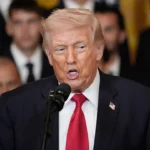
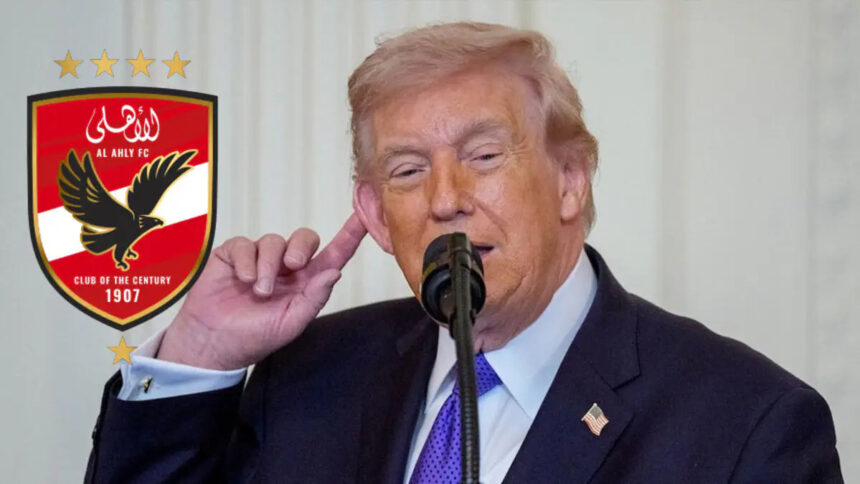
In the grand, often predictable theater of American political ceremony, a moment of genuine, cross-cultural surprise unfolded. During a White House event honoring Inter Miami CF for their 2023 Major League Soccer (MLS) Cup victory, former President Donald Trump, in a freewheeling address, pivoted from domestic soccer glory to an unexpected international reference. With the world’s cameras rolling, he bestowed praise not just on the guests of honor, but on a sporting institution an ocean away, declaring Egypt’s Al Ahly SC to be “the best club in Egypt.” This seemingly offhand remark, a geopolitical curveball in a sports setting, instantly transcended the event, rippling from Washington D.C. to Cairo and igniting conversations about the soft power of football, the globalization of sports fandom, and the unpredictable intersections of politics and passion.
The Ceremony: A MLS Celebration with a Global Twist
The event was quintessential White House pomp. Inter Miami, co-owned by David Beckham and featuring global icon Lionel Messi, stood in the Rose Garden or a similar stately room, celebrating a hard-fought domestic championship. These ceremonies are traditionally inward-looking, focusing on American achievement, community, and the narrative of the winning team. President Trump’s remarks began along expected lines, acknowledging the team’s success, the draw of stars like Messi, and the growth of soccer in the United States. However, known for his improvisational style, he then ventured into broader football territory. It was within this context that he chose to highlight Al Ahly, a name familiar to hundreds of millions of African and Arab fans but less so to the average American sports viewer. The reference was specific and laudatory, leaving no doubt about his intent to recognize the club’s stature. This White House ceremony suddenly became a platform acknowledging sporting excellence far beyond U.S. borders, a rare and notable occurrence.
Decoding the Shoutout: More Than Just a Name Drop?
Journalistic and fan analysis immediately split into distinct camps. What was the impetus behind this specific reference? Several compelling theories emerged, highlighting the multifaceted nature of such a public statement.
- Global Business & Brand Recognition: As a figure with sprawling international business interests and properties, Trump’s awareness of globally recognized brands is acute. Al Ahly is not just a football club; it is a cultural behemoth. With a claimed fanbase of over 70 million, a history steeped in success (a record 11 CAF Champions League titles), and a brand synonymous with Egyptian and African pride, it represents a pinnacle of sporting institution. The reference could simply reflect an acknowledgment of a clear market leader, akin to praising “the best” in any industry.
- Geopolitical Soft Power: Egypt remains a pivotal strategic partner in a volatile region. Mentioning a source of immense national pride like Al Ahly can be seen as a subtle gesture of diplomatic soft power—a way to connect with the Egyptian populace on an emotional level that transcends formal politics. It’s a nod to shared human interests, building goodwill at a grassroots level.
- Personal Connection or Advisory Input: While less likely, it’s possible the reference stemmed from a personal interaction, advice from an aide with knowledge of African football, or even an awareness of Al Ahly’s high-profile matches against European and South American clubs in the FIFA Club World Cup, where they have consistently been the highest-performing African side.
Ultimately, the mention served as a powerful reminder of football’s status as a global lingua franca. In one sentence, it bridged American, Egyptian, and global sporting cultures.
The Ripple Effect: Cairo’s Reaction and the Power of Recognition
The reaction from Egypt and the Arab world was swift and overwhelmingly positive. Al Ahly’s official channels and a multitude of sports news outlets across the region covered the mention with a sense of pride and validation. For a club and a fanbase accustomed to dominating continental headlines but sometimes feeling overlooked in broader Western sports discourse, recognition from a figure of Trump’s stature on a platform like the White House was significant. It amplified Al Ahly’s global brand and underscored its argument for being considered among the world’s elite football institutions, not just African ones. Social media erupted with memes, jokes, and celebratory posts, blending politics and sports fandom in a uniquely 21st-century way. The moment demonstrated how a single, unexpected comment in a political capital can energize a massive, distant fan community, proving that in the digital age, sports diplomacy can be both instant and profound.
Future Implications: A New Playbook for Sports-Politics Crossovers?
This incident may set an intriguing precedent. Looking ahead, we can predict several potential developments in how politics and global sports interact.
- Strategic Sporting References: Politicians, both in the U.S. and abroad, may take note of the positive reception. We could see more calculated references to iconic international sports clubs as a tool for building rapport with specific demographics or nations during speeches and diplomatic engagements.
- Elevated Profile for African Football: While European clubs dominate global media, this spotlight on Al Ahly contributes to the growing recognition of the quality, passion, and commercial scale of African football. It may encourage more international broadcast deals and sponsorship interest in the CAF Champions League.
- Inter Miami’s Global Bridge: For Inter Miami, the moment oddly reinforced their desired identity as a global club based in the U.S. The ceremony, meant to honor their MLS title, inadvertently connected them to a conversation about worldwide football royalty, enhancing their international narrative alongside Messi’s presence.
The key prediction is that the walls between distinct sporting ecosystems will continue to erode. Politicians and institutions will increasingly leverage universal sports passions to communicate messages that resonate on a human level, beyond policy or ideology.
Conclusion: A Lasting Footnote in the Beautiful Game’s Tapestry
Donald Trump’s praise for Al Ahly during the Inter Miami White House ceremony will likely be remembered as a fascinating footnote in sports-political history—a moment where the script was flipped. It was more than a mere name-drop; it was an implicit acknowledgment of football’s true, borderless empire. The episode highlighted that while leagues and cups are national, the language of sporting excellence is universal. For Al Ahly and its legion of fans, it was a moment of proud external validation. For American observers, it was a brief tutorial in global football’s vast landscape. And for the world, it was a testament to the unpredictable, connective power of the beautiful game, capable of weaving threads between a garden in Washington and the fervent stands of Cairo’s International Stadium. In the end, the former president may have set out to honor a champion from Florida, but he ended up, perhaps unwittingly, paying tribute to the very essence of football’s global soul.
Source: Based on news from Yahoo Sports.