Tottenham’s New Vision: Why Dougie Freedman is the Sporting Director Target Spurs Need
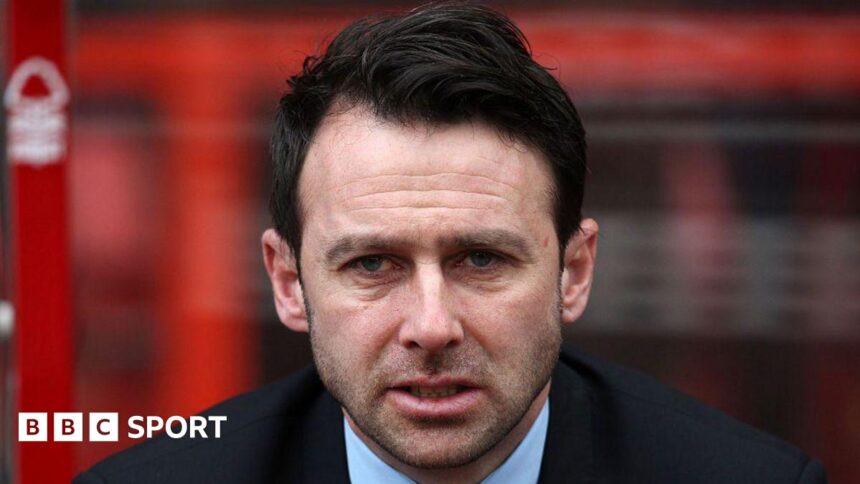
The winds of change are blowing through the corridors of Hotspur Way, and they carry whispers from South London and beyond. As Tottenham Hotspur continues its meticulous, post-Paratici restructure, a new name has surged to the forefront of their sporting director search: Dougie Freedman. The former Crystal Palace architect, now with Saudi side Al-Diriyah, represents a fascinating and potentially transformative choice for a club seeking to build a sustainable, competitive future. This isn’t just another appointment; it’s a potential philosophical shift for Spurs.
The Paratici Void and Tottenham’s Restructure Imperative
Since the departure of Fabio Paratici in January, Tottenham’s leadership structure has felt incomplete. Paratici’s tenure, though initially impactful, ended under a cloud, leaving a strategic vacuum at a critical time. The club’s search for his successor has been deliberate, underscoring the significance of the role in the modern game. A sporting director is no longer just a head of recruitment; they are the chief architect of a club’s footballing identity, the bridge between the boardroom, the coaching staff, and the pitch. With uncertainty still lingering around the interim position of head coach Igor Tudor, the appointment of a strong, visionary sporting director becomes even more paramount to provide stability and a clear long-term plan.
This search occurs against the backdrop of Daniel Levy’s stated ambition to create a more resilient and self-sustaining football operation. The era of reactive, manager-led transfers is over. Tottenham crave a cohesive, data-informed model that can consistently unearth value and develop talent. Enter Dougie Freedman, a candidate whose recent resume reads like a blueprint for exactly that.
Dougie Freedman: The Palace Blueprint for Success
To understand why Freedman is so coveted, one must look at his transformative eight-year spell as sporting director at Crystal Palace. Freedman didn’t just recruit players; he engineered a cultural and competitive revolution at Selhurst Park. Operating with a budget that paled in comparison to the Premier League’s elite, he built a vibrant, technically gifted squad that consistently punched above its weight. His methodology was a masterclass in strategic recruitment.
Freedman’s genius lay in identifying a specific profile: young, technically superb, mentally resilient players, often from the Football League, who possessed the potential to thrive in the Premier League. He didn’t just buy talent; he invested in trajectories. The results speak for themselves:
- Michael Olise: Snatched from Reading for a mere £8 million, now one of the league’s most coveted wingers.
- Eberechi Eze: A £17 million gamble from QPR who became the creative heartbeat of the side.
- Marc Guehi: A £18 million acquisition from Chelsea’s academy, now a defensive rock and England international.
- Adam Wharton: The latest jewel, signed from Blackburn Rovers in January 2024 and instantly looking a Premier League natural.
- Dean Henderson: A shrewd loan turned permanent deal, solving a long-term problem position.
This isn’t a list of lucky punts. It’s a portfolio of calculated, successful investments that multiplied in value and performance. Freedman’s deep knowledge of the British market, combined with a clear stylistic vision, allowed Palace to build a coherent, sellable squad. For Tottenham, a club that has seen its fair share of expensive misfits, this proven ability to find and develop elite talent within a financial framework is utterly compelling.
The Fit: Freedman’s Philosophy Meets Tottenham’s Needs
On paper, the alignment between Freedman’s proven skills and Tottenham’s stated needs is striking. Spurs possess a world-class stadium and training facility, a strong commercial base, and a passionate global fanbase. What they have lacked is the consistent, intelligent football operation to maximize those assets. Freedman’s appointment would signal a commitment to a new, more astute era.
Daniel Levy has long been characterized as a prudent businessman. Freedman is the sporting director who can turn that prudence into a potent competitive advantage. His work at Palace demonstrates he can operate within budgets, generate immense value through player trading, and build a squad that is greater than the sum of its parts. Furthermore, his history as a player and manager at Palace gives him a crucial empathy and understanding of the dressing room dynamic—a trait not all data-driven directors possess.
The potential challenge is one of scale. Moving from Crystal Palace to Tottenham represents a step up in expectations, budget, and global scrutiny. The pressure to deliver immediate “star” signings will be intense. However, Freedman’s mandate would likely be to institute his Palace model on a larger canvas: identifying the next generation of stars before they reach nine-figure price tags, supplementing them with strategic marquee signings, and creating a pipeline that feeds the first team. His reported interest from Spurs suggests he is ready for that challenge.
Predictions and Potential Roadblocks
If Tottenham can successfully lure Dougie Freedman from Al-Diriyah, the implications are vast. We could predict a shift in Tottenham’s transfer strategy towards a greater emphasis on emerging, technically proficient players from the UK and Europe’s secondary leagues. The “Freedman model” would prioritize football intelligence, adaptability, and resale value. This could see Spurs become more active in markets they have previously neglected, trusting in a director with a proven scouting network and eye for a player.
However, this move is not without its complications. Extricating Freedman from a lucrative Saudi contract will require delicate negotiation. Furthermore, his appointment must be seamlessly integrated with the head coaching situation. Whether it’s Igor Tudor or another manager, the relationship between the dugout and the director’s box must be one of total synergy. Freedman’s success at Palace was built in partnership with managers like Patrick Vieira and Roy Hodgson; replicating that collaborative trust at Spurs is non-negotiable.
Finally, patience will be key. Implementing a new sporting vision doesn’t yield instant trophies. It requires a window or two to assess the squad, move players on, and bring in his own targets. The Tottenham fanbase and leadership must buy into a medium-term project for Freedman’s appointment to bear fruit.
Conclusion: A Calculated Gamble on a Proven Vision
Tottenham Hotspur’s pursuit of Dougie Freedman is a statement of intent. It is a move away from the star-driven, sometimes scattergun approach of the past, and towards a model of intelligent, sustainable club building. In Freedman, Spurs are targeting more than a recruiter; they are targeting an architect with a demonstrated blueprint for success in the Premier League’s harsh economic reality.
His record at Crystal Palace is not just good; it is exemplary for a club operating outside the traditional “Big Six.” The players he identified and secured are the envy of clubs across Europe. For Daniel Levy and Tottenham, the gamble is not on Freedman’s ability, but on their own willingness to fully embrace his philosophy and grant him the authority to execute it. In a football landscape where financial fair play regulations bite harder than ever, the man who built a palace from shrewd investments might just be the perfect figure to construct Tottenham’s next great era. The restructure is on, and Dougie Freedman could be its cornerstone.
Source: Based on news from BBC Sport.