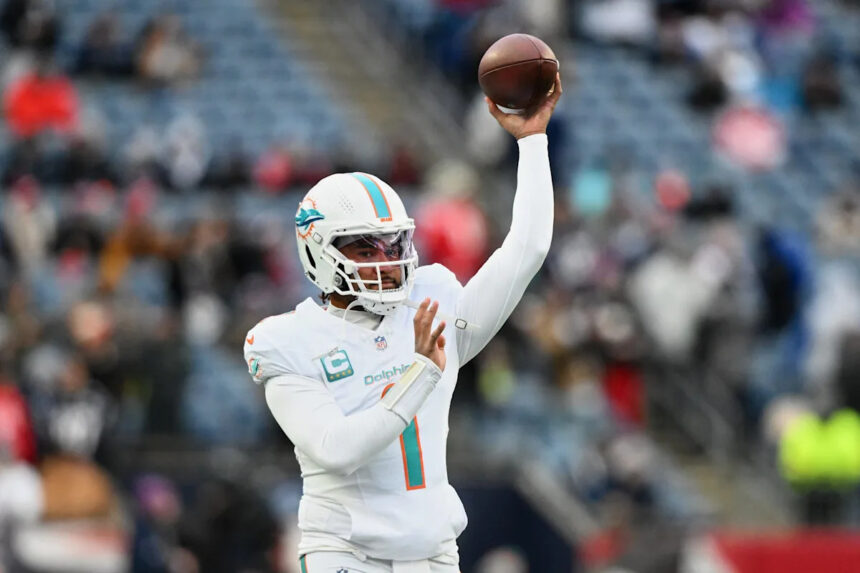
Tua Tagovailoa’s Calculated Gamble: A Veteran Minimum Deal Sends the QB to Atlanta
In the high-stakes, big-money world of NFL free agency, the most fascinating moves are often not the ones with the most zeros. The Atlanta Falcons, in a move that signals a clear new direction, have reportedly agreed to a one-year deal with quarterback Tua Tagovailoa for the veteran minimum of $1.3 million. This comes just days after his release from the Miami Dolphins, where he once held the franchise quarterback mantle. This isn’t a story of a superstar cashing in; it’s a narrative of recalibration, fit, and a savvy low-risk, high-reward bet by a Falcons front office turning the page.
A Stunning Shift in Fortune and Falcons’ Philosophy
The arc of Tua Tagovailoa’s career has been a rollercoaster of extreme promise, concerning injuries, and ultimate organizational divergence. In Miami, he posted prolific passing numbers in Mike McDaniel’s system, but the partnership ultimately frayed. His release, while a business decision, was a stark reminder of the NFL’s “what have you done for me lately” ethos. For Tagovailoa, landing in Atlanta so quickly is a lifeline—a chance to reset in a new environment without the burden of a franchise QB contract or expectations.
For the Falcons, this move is the final nail in the coffin of their previous plan. The expensive Kirk Cousins era is over. The future, unequivocally, belongs to 2024 first-round pick Michael Penix Jr.. The Tagovailoa signing is a declaration that Atlanta now seeks a specific, cost-effective archetype behind Penix: a seasoned, intelligent, and accurate passer who can mentor, compete, and execute the offense at a high level if called upon. At $1.3 million, Tagovailoa represents perhaps the most qualified backup in the entire league, a stunning value for a player of his pedigree and experience.
Why Tua is a Perfect Schematic Fit for Stefanski’s System
On the surface, a left-handed quarterback known for quick-rhythm passing joining a Kevin Stefanski offense might seem unusual. But dig deeper, and the fit is remarkably coherent. Stefanski’s system, rooted in the wide zone running game and high-percentage play-action passes, demands precision, timing, and quick decision-making—all Tua Tagovailoa’s core strengths.
- Play-Action Prowess: Tagovailoa’s best moments in Miami came off play-action, where his processing speed and accuracy to all three levels shone. Stefanski’s offense is built on this foundation.
- Accuracy Over Arm Strength: The system does not require a cannon; it requires ball placement and timing on intermediate crossers, digs, and out routes. This is Tagovailoa’s wheelhouse.
- Game Manager Plus: While often used as a pejorative, “game manager” in this context is a compliment. The offense will ask him to distribute the ball efficiently to playmakers like Bijan Robinson, Drake London, and Kyle Pitts, minimizing turnovers.
This signing is less about Tua reinventing himself and more about him being deployed in an ecosystem that maximizes what he does best. For a backup, that’s an ideal scenario.
The Ripple Effect: Mentorship, Competition, and Cap Strategy
The implications of this deal extend far beyond the depth chart. This is a multi-layered win for General Manager Terry Fontenot and the Falcons’ structure.
For Michael Penix Jr.: He now has a mentor who has lived through the immense pressure of being a first-round QB, dealt with scrutiny, and played at a Pro Bowl level. Tagovailoa’s professional approach and study habits are renowned. This is an invaluable resource for a young quarterback entering his critical third season.
For the QB Room: While Penix is the unquestioned starter, bringing in a quarterback of Tua’s caliber ensures that competition remains healthy. It raises the floor of the entire offense and provides the Falcons with a legitimate contingency plan—something they lacked last season.
For the Salary Cap: The financial efficiency is staggering. Using minimal resources on the QB2 spot allows Atlanta to allocate significant capital elsewhere. This move, coupled with other maneuvers like the trade of tackle Tytus Howard to the Cleveland Browns, shows a franchise aggressively reshaping its roster around a cost-controlled quarterback in Penix, filling out the trenches and defense with higher-priced talent.
Predictions and What Success Looks Like in 2026
So, how will we judge this move one year from now? Success has different definitions for each party involved.
For Tua Tagovailoa, a successful season means demonstrating he is a capable, reliable starter in this league. If Penix stays healthy, Tua’s success will be measured in practice, in the meeting room, and in any spot duty he receives. A clean, efficient performance in a game or two could re-establish his value for a 2027 starting job elsewhere. For the Atlanta Falcons, success is threefold:
- Michael Penix Jr. shows definitive progression as the franchise cornerstone.
- The team makes a deep playoff run, validating the roster construction.
- Tagovailoa provides stability and zero drop-off if needed, proving the front office’s savvy.
The bold prediction? Tua Tagovailoa will start at least two games for Atlanta in 2026. Whether due to a minor Penix injury or a strategic rest week, his number will be called. And in those moments, the veteran minimum deal will look like the steal of the offseason, as he efficiently steers a talented offense and reminds the league of his poise.
Conclusion: A Masterclass in Opportunistic Team Building
The Atlanta Falcons’ agreement with Tua Tagovailoa is a masterstroke of modern NFL team management. It addresses a need with a high-caliber player at an absurdly low cost, provides ideal schematic and mentorship synergy, and maintains unwavering commitment to the long-term plan. For Tua, it’s a chance to breathe, rebuild his value, and contribute to a contender without the crushing weight of a franchise’s hopes on his shoulders.
In an offseason defined by blockbuster trades and record-breaking contracts, this quiet, one-year, minimum-salary deal may be one of the most intelligent and impactful moves of 2026. It’s a testament to both parties finding opportunity in a moment of transition. The Falcons aren’t just getting a backup quarterback; they’re acquiring a stabilizing force and a strategic asset, all while keeping their eyes—and their finances—firmly fixed on the future.
Source: Based on news from Yahoo Sports.