USA-Mexico WBC Clash Delivers Drama on the Field, Chaos in the Stands
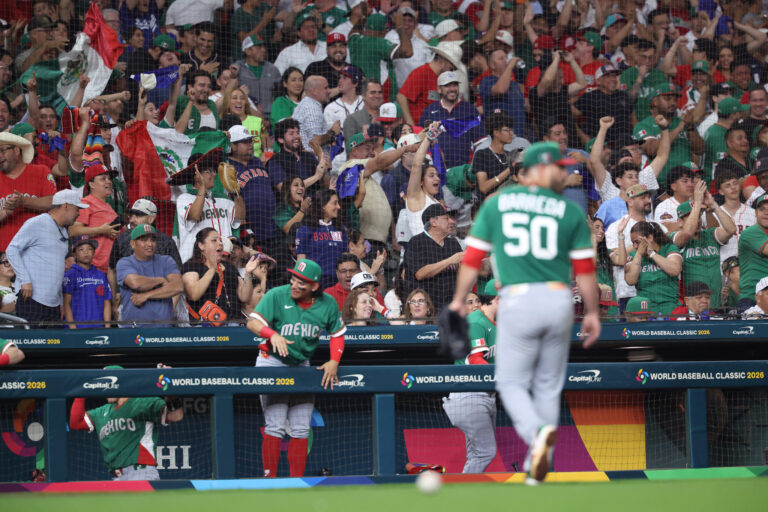
The World Baseball Classic is designed to deliver the passion of international competition, a festival of the sport’s global reach. On Monday night at Daikin Park in Tokyo, the Pool B showdown between Team USA and Mexico delivered that in spades—and then some. While the U.S. squad secured a hard-fought 5-3 victory to remain perfect, a fan brawl erupting in the outfield stands stole a portion of the spotlight, casting a shadow over an otherwise brilliant exhibition of baseball and exposing the volatile flip side of such intense national pride.
A Tense Game Overshadowed by Ugly Spectacle
The on-field action was compelling enough. Team USA, navigating the early tournament absence of stars like Will Smith and Clayton Kershaw, showed its characteristic resilience. Mexico’s lineup, fierce and determined, traded blows with the defending champions. The game was a chess match of managerial moves and clutch at-bats, the kind of high-stakes baseball the WBC promises. Yet, as the final innings tightened, a different, more primal competition ignited in the seating areas.
Social media quickly became flooded with a disturbing video. The clip, shot from across the stadium, shows a section in chaos. A man adorned in Mexico’s green jersey is seen charging through rows of seats before a violent confrontation explodes with fans wearing Team USA gear. Punches are thrown, bystanders recoil, and security personnel scramble to intervene. The USA-Mexico World Baseball Classic clash had, quite literally, spilled into the stands.
This incident is more than a mere scuffle. It represents a breakdown of the sporting covenant. The WBC, unlike a standard MLB game, taps directly into deep-seated national identity. While this usually fuels incredible atmospheres with dueling chants and seas of flags, Monday’s event proved how quickly that fervor can curdle into aggression. The viral video of the brawl serves as an unwelcome advertisement for the event, shifting the narrative from athletic excellence to fan misconduct.
Expert Analysis: The Psychology of International Fan Rivalry
To understand this incident, one must look beyond baseball. Dr. Elena Vargas, a sports sociologist who studies fan behavior, explains the unique pressure cooker of an event like the WBC. “Club allegiances in professional sports are often chosen or inherited, but national team allegiance is intrinsic—it’s tied to your identity, your culture, your homeland,” she notes. “When that identity feels threatened in a shared space, the psychological stakes are immense. A perceived slight against your team can feel like a slight against you personally, and in an emotionally charged, possibly inebriated environment, that can escalate with shocking speed.”
The location is also key. This was not a border clash in San Diego or Monterrey; this was on neutral ground in Tokyo. “Fans traveling such distances are often the most passionate and invested,” Dr. Vargas adds. “They’ve spent significant resources to be there, creating an ‘us against the world’ mentality. While this breeds incredible support, it can also lower inhibitions, as fans feel disconnected from their usual social environments and consequences.”
The responsibility, experts agree, is multifaceted:
- Event Security: Proactive monitoring of fan sections and quicker intervention are paramount at international sporting events known for rivalries.
- Alcohol Management: Many stadiums have policies for limiting sales during tense moments, a protocol that may need tightening for these specific matchups.
- Fan Education: Promoting a culture of respectful rivalry is a continuous effort for organizing bodies like the WBC and MLB.
The incident at Daikin Park is a stark reminder that for all its beauty, the game exists within a complex human framework where passion can override decency.
On the Field: USA’s Depth Shines, Quarterfinals in Sight
Returning to the diamond, the story was one of American depth and strategic prowess. Managing without key players, the U.S. utilized its formidable roster to secure the win. The bullpen navigated dangerous Mexican hitters, and timely hitting proved the difference. The victory moves Team USA to a commanding 3-0 in Pool B, but the job is not finished.
Team USA has not officially punched its ticket to the quarterfinals yet, a nuance of the tournament’s format. However, their path is clear. A victory in their final pool game against Italy on Tuesday would eliminate any mathematical doubt and lock up the pool win. This would send them through to the next round in style, allowing them to manage pitching and build momentum. A loss would create a complicated tiebreaker scenario, something the team is undoubtedly keen to avoid.
The takeaway from the baseball action is that this U.S. team, while star-studded, is winning with a collective effort. They are being tested early, and responding. The composure they showed on the field stood in direct contrast to the disorder in the stands, a testament to their professional focus amidst surrounding chaos.
Predictions and the Road Ahead for the WBC
Looking forward, two parallel tracks will now define the remainder of the tournament for organizers and fans alike.
For Team USA: The prediction is straightforward. They are heavy favorites against Italy and are expected to secure that top spot in Pool B. The real test will come in the quarterfinals and beyond, where they will likely face the juggernauts from Pool A, potentially Japan or Korea. Their pitching depth will be scrutinized, but their lineup remains the most fearsome in the tournament. They are on a collision course to defend their title.
For the WBC as an Institution: The fan brawl presents a critical moment. The tournament has grown exponentially in prestige and popularity since its inception. This incident is its most visible public disorder issue. Predictably, organizers will likely:
- Review and enhance security protocols for high-risk matchups.
- Issue strong condemnations of the behavior to set a tone.
- Work with host venues to ensure alcohol policies are strictly enforced.
The hope is that this remains an isolated incident, not a trend. The long-term health of the WBC depends on it being celebrated for its baseball, not its brawls.
Conclusion: A Tournament at a Crossroads
The 2026 World Baseball Classic game between the United States and Mexico will be remembered for two starkly different reasons. For the purist, it was a showcase of elite talent and competitive fire, with Team USA taking a major step toward the knockout stage. For the wider world, it may be remembered for the nasty brawl that broke out between fans, a jarring video that circulated globally in minutes.
This duality is the challenge of modern international sport. The very emotions that fill stadiums with electric energy and make the games matter can also be their greatest vulnerability. As Team USA looks ahead to its quarterfinal destiny, the World Baseball Classic itself faces its own test: harnessing the incredible passion of its fans while unequivocally safeguarding the spirit of the game. The true measure of the tournament’s success will be if the next viral clip is a breathtaking home run, not a reckless fistfight.
Source: Based on news from Yahoo Sports.