Hundred Coaches Deny ‘Avoid Pakistan Players’ Directive as High-Stakes Auction Looms
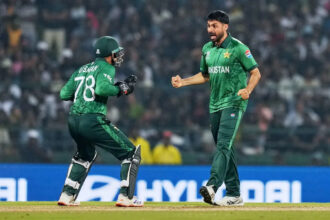
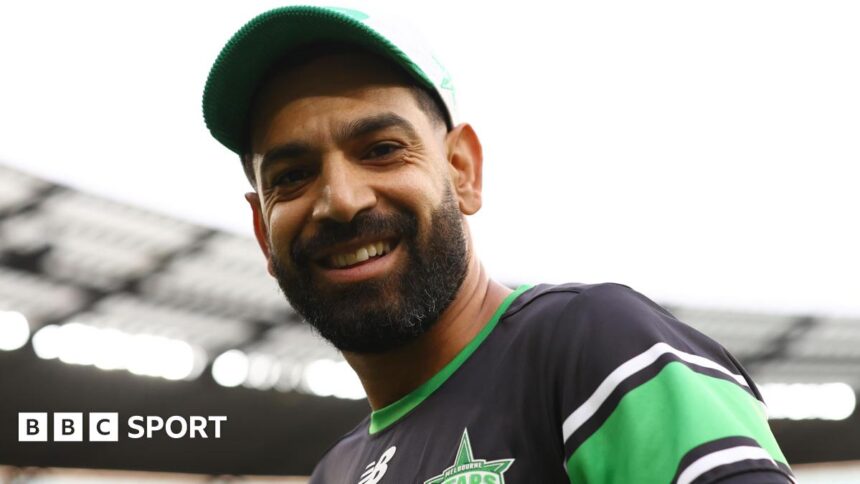
The air crackles with anticipation ahead of the men’s Hundred draft. Yet, swirling around this showcase of global T20 talent is a persistent, politically charged narrative: are Pakistan’s cricketers being quietly frozen out? With 17 Pakistani stars, including speedster Haris Rauf, entering Thursday’s auction, the question is more pertinent than ever. However, in a significant development, coaches from franchises with deep ties to the Indian Premier League (IPL) have forcefully pushed back, telling BBC Sport they have received no directive to avoid Pakistani players. This denial strikes at the heart of a controversy that has threatened to overshadow the tournament’s commitment to being a “world-class competition.”
The Shadow of the IPL and a Controversial Report
The roots of this saga trace back to February, when a BBC Sport report sent shockwaves through the cricket world. It suggested that the four Hundred franchises linked to IPL ownership groups—London Spirit (Mumbai Indians), Oval Invincibles (Kolkata Knight Riders), Manchester Originals (IPL’s Delhi Capitals owners), and Birmingham Phoenix (Rajasthan Royals owners)—would not sign Pakistani players. This was framed as mirroring the unofficial ban on Pakistani players in the IPL, a reality since the 2008 Mumbai attacks. The implication was clear: geopolitical tensions were set to dictate team composition in a domestic English competition.
The reaction was swift and unequivocal. All eight franchises and the England and Wales Cricket Board (ECB) issued a rare joint statement, a powerful move underscoring the seriousness of the issue. They declared, “The Hundred is a world-class competition… and players must not be excluded on the grounds of nationality.” This established the ECB’s official stance, but doubts lingered. Was this a principled stand, or mere optics? The upcoming auction would be the ultimate litmus test.
Coaches Break Their Silence: “No Directive From Above”
Now, on the eve of the draft, coaches from within those very IPL-linked camps have spoken directly to BBC Sport, offering the clearest insight yet. Their message is consistent: they have not been told to sideline Pakistani talent. This is a crucial distinction. It separates corporate policy from sporting strategy. A coach, speaking anonymously, emphasized that their draft plans are based purely on team balance, availability, and budget, not passports.
This presents several compelling possibilities:
- Sporting Autonomy Prevails: Franchise coaches and cricket directors may have successfully insulated sporting decisions from broader geopolitical business considerations.
- A Strategic Distinction: IPL owners may view their Hundred investments as separate entities, operating under ECB regulations and the unique spirit of the UK sporting landscape.
- The Power of Public Scrutiny: The fierce backlash to February’s report and the forceful ECB statement may have made any potential directive commercially and reputationally untenable.
However, the situation remains delicately poised. The absence of a formal “directive” does not guarantee bids. Coaches operate within budgets and strategic frameworks set by owners. The shadow of the IPL’s stance remains a subtle, unspoken factor in the room.
The Women’s Auction: A Cautionary Tale or Pure Coincidence?
Adding a complex layer to the narrative was Wednesday’s women’s Hundred auction. As expected, the two Pakistani players in the draft, fast bowler Fatima Sana and all-rounder Nida Dar, remained unsold. Franchises cited overseas slot limitations and the sheer depth of global talent as reasons. Given Pakistan’s lower ranking in women’s cricket, this outcome is not, on its own, evidence of a bias. Many highly skilled players from other nations also went unbought.
Yet, the optics are challenging. Coming just 24 hours before the men’s draft, where the Pakistani question is so heated, it fuels suspicion. It creates a perception, fair or not, that Pakistani players face a steeper climb. This underscores the immense pressure on Thursday’s proceedings. If multiple top-tier Pakistani men’s players—clear match-winners with proven global franchise pedigree—go unsold, especially by the IPL-linked teams, the controversy will ignite anew, regardless of coach denials.
Analysis & Predictions: What to Expect on Draft Day
As an expert observer, the landscape appears thus: the ECB and franchises have drawn a firm public line. Coaches are asserting their professional independence. But the draft is a brutal marketplace of cold calculations.
Key factors that will decide Pakistani players’ fates:
- Draft Order & Strategy: A team with an early pick and a gap for a world-class fast bowler (like Haris Rauf) may find the sporting value irresistible.
- The “Marquee Player” Effect: Signing a Pakistani star generates huge fan engagement within the UK’s massive South Asian diaspora, a key market for The Hundred.
- Owner Influence vs. Coach Freedom: The ultimate test is whether a coach’s draft board is altered at the ownership level when a Pakistani name is called.
Prediction: I anticipate at least 2-3 Pakistani players will be drafted, but likely not by the IPL-linked franchises. Their selections will be scrutinized with a microscope. A bold, sporting pick of a player like Rauf or Mohammad Rizwan by an IPL-owned team would be the most powerful statement possible, finally burying the controversy. The safer bet, however, is that non-IPL teams like Trent Rockets or Northern Superchargers will be the ones to capitalize on this potentially undervalued market, securing top-tier talent while others hesitate.
Conclusion: A Defining Moment for The Hundred’s Identity
Thursday’s auction is about more than filling roster spots. It is a defining moment for The Hundred’s identity. Will it be a truly open, meritocratic league that stands apart from the world’s political fray, as its joint statement promised? Or will it succumb to the unspoken pressures of global cricket’s most powerful financial force?
The coaches’ denials are a positive sign, suggesting sporting integrity is fighting to be the paramount concern. The ECB has staked its reputation on inclusivity. Yet, the ghost of February’s report and the stark reality of the women’s draft hang in the air. The fate of Pakistan’s 17 men is now the tournament’s most compelling subplot. Their presence, or absence, on team sheets by Thursday night will write the first draft of the answer—not in press releases, but in the unforgiving ledger of the draft. The world is watching to see if The Hundred will be a league of nations, or a prisoner of politics.
Source: Based on news from BBC Sport.