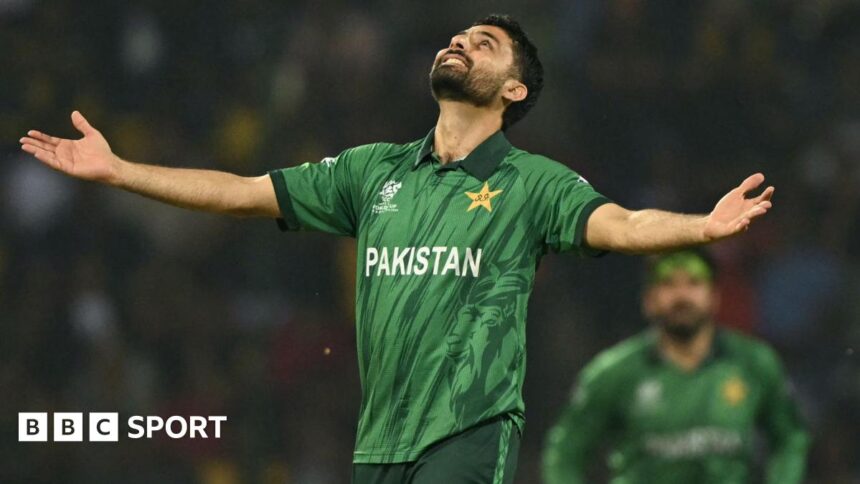
Abrar Ahmed’s Hundred Signing Breaks IPL-Pakistan Barrier, Signals New Era
The men’s Hundred draft, an event typically defined by its rapid-fire format and bold domestic gambles, has delivered a seismic moment with implications far beyond the boundary rope. The acquisition of Pakistani mystery spinner Abrar Ahmed by Sunrisers Leeds for £190,000 is more than a simple player purchase; it is a significant diplomatic and commercial breakthrough in the often-fractured world of international cricket. This move directly addresses and, for now, ends a looming concern that franchises with ties to the Indian Premier League would institute an unofficial ban on Pakistani talent in the UK’s premier short-form competition.
The Shadow of the IPL and a Quietly Averted Crisis
Earlier this year, a report by BBC Sport cast a long shadow over the Hundred’s upcoming auction. It revealed that the four franchises owned by IPL entities—Sunrisers Leeds (Sunrisers Hyderabad), Oval Invincibles (Kolkata Knight Riders), London Spirit (Delhi Capitals), and Manchester Originals (GMR Group, co-owners of Delhi Capitals)—were unlikely to consider Pakistani players for selection. This stance was seen as mirroring the unspoken ban that has existed in the IPL itself since the aftermath of the 2008 Mumbai attacks, a political impasse that has deprived the world’s richest league of some of its most thrilling talent for over a decade and a half.
The potential importation of this divide into a neutral, ECB-run competition like the Hundred sparked immediate concern. It threatened to:
- Undermine the tournament’s global appeal by excluding players from a major cricketing nation.
- Create a two-tier franchise system within the same competition.
- Politicize a domestic UK event, drawing it into a complex international dispute.
Sunrisers Leeds’ decisive bid for Abrar Ahmed has, in one stroke, dismantled this looming framework. By actively targeting and securing a high-profile Pakistan international, the franchise owned by Sunrisers Hyderabad has demonstrated that commercial pragmatism and cricketing merit can, in this specific context, override a longstanding geopolitical hesitation.
Abrar Ahmed: The Cricketing Coup for Sunrisers Leeds
On pure cricketing terms, the signing of Abrar Ahmed is a masterstroke. The 27-year-old spinner, with 63 caps for Pakistan across Test and white-ball cricket, is precisely the type of X-factor player the Hundred was designed to showcase. His arrival is not a symbolic gesture but a serious tactical acquisition.
Abrar is a modern-day mystery spinner, boasting a devastating googly and a carrom ball that can bamboozle the best batters in the world. In a format where batters look to attack from ball one, a bowler who thrives on deception and creates wicket-taking opportunities is worth his weight in gold. His ability to bowl in the crucial middle phase of the innings, squeezing the run rate while taking key wickets, makes him a strategic asset for the Leeds-based side.
For Abrar, this is a monumental opportunity to showcase his skills on a major global franchise stage—a door that has been firmly shut in India. His performance at Headingley will be scrutinized not just by fans, but by franchise owners worldwide, potentially opening doors in other major leagues. The £190,000 price tag reflects both his proven international quality and the premium on match-winning spin in the Hundred.
Coles Commands the Cash: The Domestic Auction Sensation
While Abrar’s signing carried geopolitical weight, the financial fireworks of the auction were stolen by a young Englishman. In a stunning result, uncapped 21-year-old Sussex all-rounder James Coles fetched a staggering £390,000, the highest price of the day, from London Spirit. This audacious bid underscores the relentless hunt for the next generation of English white-ball stars and the specific value placed on multi-dimensional players.
Coles, a left-arm spinning all-rounder who bats in the middle order, represents the prototype of the modern cricketer. His signing signals several key trends in franchise thinking:
- The premium on youth and potential: Franchises are willing to invest heavily in future stars.
- The critical need for squad balance: A player who offers two skills provides crucial flexibility within the tight 100-ball roster.
- Data-driven discovery: Coles’ impressive underlying numbers in domestic cricket clearly resonated more with analysts than the name recognition of more established players.
This monumental vote of confidence places immense expectation on Coles’ shoulders, but also highlights the Hundred’s power to transform a domestic prospect into a marquee name overnight.
Analysis and Predictions: What This Means for Cricket’s Future
The signing of Abrar Ahmed sets a powerful precedent, but it is crucial to analyze whether this is a one-off exception or a genuine turning point. As an expert observer, I believe this move is strategically significant for several reasons.
Firstly, it reveals a clash between corporate strategy and political caution. The Sunrisers group, with global ambitions, likely viewed excluding a top-tier Pakistani spinner as a competitive disadvantage. In the high-stakes environment of the Hundred, winning trumps all. Secondly, the ECB, while not directly involved in franchise picks, would have been deeply uncomfortable with a de facto ban undermining the integrity of their flagship competition. Quiet diplomacy likely played a role.
Predictions for the Future:
- This will pave the way for more Pakistani signings by IPL-linked Hundred teams in future seasons, though likely in a gradual, measured manner. High-performing, non-controversial stars will be the first through the door.
- The IPL itself remains a completely separate matter; this does not signal an imminent change in that league’s stance. The political and commercial pressures in India are of a different magnitude.
- James Coles will be under immense pressure but will benefit from world-class coaching at London Spirit. His development will be a fascinating subplot.
- The Hundred has reinforced its identity as a truly independent, merit-based league that operates by its own rules, enhancing its credibility on the world stage.
Conclusion: A Win for Cricket, For Now
The 2024 men’s Hundred draft will be remembered as the moment the tournament matured. It wasn’t just about spending money; it was about making statements. The bold, future-focused investment in James Coles speaks to the league’s commitment to nurturing English talent. But the historic, barrier-breaking signing of Abrar Ahmed by Sunrisers Leeds resonates louder.
It is a victory for common sense, for cricketing merit, and for the idea that the sport’s internal walls can, in certain lights, appear more porous than they seem. It has averted a concerning schism within the Hundred and offered a glimmer of hope for a more inclusive franchise ecosystem—even if that inclusivity has strict geographical limits. The message is clear: in the quest for the Vitality Trophy, talent is the ultimate currency. For Abrar Ahmed, for Sunrisers Leeds, and for fans who simply want to see the best players compete, this is a landmark signing that ends one concern and begins a new, more intriguing chapter.
Source: Based on news from BBC Sport.