Formula 1 Forced to Sideline Bahrain and Saudi Arabia as Middle East Tensions Ignite
The high-octane world of Formula 1 has collided with the harsh reality of geopolitics. In a dramatic and unprecedented mid-season pivot, the sport is reportedly set to cancel its upcoming Grand Prix events in Bahrain and Saudi Arabia, a direct response to escalating military tensions and security concerns in the region. This decision, first reported by Sky News and confirmed by sources to ESPN, underscores the immense logistical and ethical challenges global sports face when conflict zones intersect with the calendar.
The planned fourth and fifth rounds of the 2025 championship in Sakhir and Jeddah are now off the table, leaving a gaping hole in the schedule and forcing the FIA and Formula One Management into a frantic reshuffle. The catalyst is the volatile situation involving Iran, which has seen retaliatory missile strikes land in both host nations following a series of U.S. and Israeli actions. For a sport built on precision and controlled risk, the uncontrolled risk of regional warfare is a line it cannot cross.
The Geopolitical Red Flag: Security Trumps All
Formula 1 has navigated political turmoil before, but the current climate presents a uniquely dangerous scenario. The core mandate for any Grand Prix is the absolute safety of drivers, teams, staff, and the hundreds of thousands of fans who attend. When host nations become active targets in a broader conflict, that fundamental guarantee evaporates.
Key security concerns that undoubtedly drove this decision include:
- The Direct Threat of Projectile Attacks: Both Bahrain and Saudi Arabia have experienced missile and drone strikes in recent days. The sophisticated infrastructure of an F1 circuit, including packed grandstands and open paddocks, is not designed to be a hardened facility against such threats.
- Logistical Nightmare: An F1 event is a massive undertaking, with the movement of over 1,000 personnel, tons of sensitive equipment, and 20 complex race cars via air and sea. Escalating conflict severely risks these supply chains and could strand personnel.
- Duty of Care: Teams, as employers, have a legal and moral duty to not willingly place their staff in harm’s way. Many would have faced internal revolt and potential legal action if forced to compete under imminent threat.
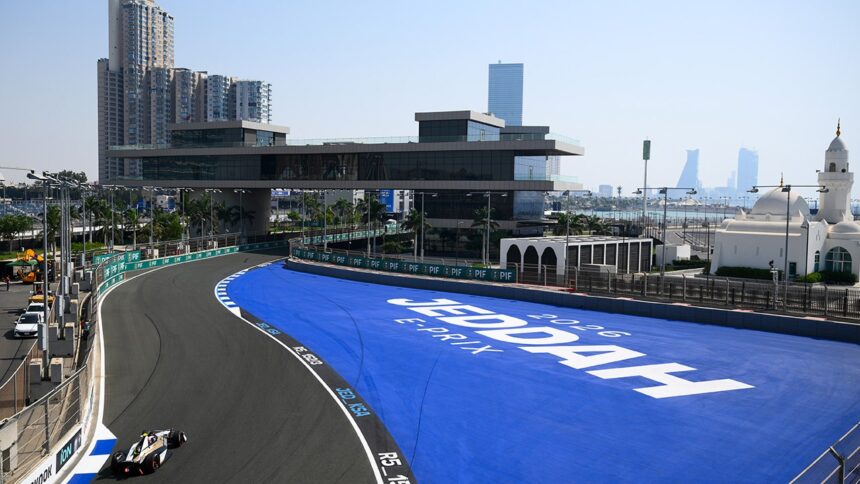
This isn’t merely about perception; it’s about an undeniable, tangible escalation of violence in the region that makes the operation of a major international spectacle untenable. The Bahrain Grand Prix, a night-race staple since 2004, and the glittering, high-speed Jeddah Corniche Circuit in Saudi Arabia, represent two of the sport’s most lucrative venues. Their cancellation signals that even billion-dollar contracts have a breaking point when live fire is involved.
The Domino Effect: Calendar Chaos and Commercial Shockwaves
The cancellation of two races sends immediate shockwaves through the F1 ecosystem. The season is a meticulously planned ballet, and removing two key acts requires a complete rewrite.
The immediate questions facing F1 bosses are:
- Replacement Races: Can venues like Qatar, which already has a contract for later in the year, be moved forward? Is there a possibility of a double-header at another safe circuit? The sport may look to Europe for an earlier-than-planned start, though weather and contract logistics are huge hurdles.
- Financial Repercussions: Hosting fees from Bahrain and Saudi Arabia, estimated to be in the tens of millions each, are a major revenue stream for F1. The legal and financial wrangling over force majeure clauses will be complex and contentious.
- Team and Sponsor Impact: Teams budget for a 24-race season. Two fewer races mean two fewer opportunities to score points, earn prize money, and fulfill sponsor obligations for broadcast exposure and hospitality. Mid-field teams reliant on that prize money will feel the pinch most acutely.
- The Sporting Integrity: Does this unfairly advantage or disadvantage certain teams? The early-season development race is crucial, and losing two specific circuit types could alter the competitive narrative.
This situation also reignites the fierce debate about Formula 1’s expansion into geopolitically sensitive regions. While the sport has championed its “sportswashing” critique by pointing to progress and global reach, reality has now intervened in the most stark manner possible. The message is clear: no amount of money can insulate a sport from active warfare.
Expert Analysis: A Precedent-Setting Decision
From a journalistic and industry perspective, this is a watershed moment. F1 has raced under political clouds before—think the 2011 Bahrain Grand Prix postponed due to civil unrest, or the ongoing scrutiny of human rights records. However, the direct involvement of host nations in a multi-state military exchange is a new and profoundly more serious threshold.
“This isn’t a protest or an internal crisis; it’s an international armed conflict spilling over the borders of the host countries,” notes a veteran F1 journalist who has covered the sport for three decades. “The FIA and Liberty Media had zero choice. To proceed would have been an act of gross negligence. The ongoing conflict involving Iran has changed the calculus entirely. It transforms the venues from destinations into potential battlefields.”
The speed of the decision, coming weeks before the events, is also telling. It suggests intelligence and security briefings presented a picture so bleak that there was no room for a “wait-and-see” approach. In the past, F1 has been accused of dithering on such calls. This time, the reported swift agreement to cancel indicates a unified and serious understanding of the threat level.
Predictions: What Comes Next for F1’s Season and Strategy?
The fallout from this cancellation will define the 2025 season and likely influence F1’s future strategy.
Short-Term (2025 Season): Expect a compressed schedule later in the year or the addition of a replacement venue in a stable region. Turkey’s Istanbul Park or Germany’s Nürburgring could emerge as surprise candidates if deals can be struck. The championship may well be decided over fewer races, intensifying every session.
Long-Term (Strategic Re-think):
- Enhanced Security Protocols: F1 will likely develop even more stringent security benchmarks for host nations, potentially including clauses related to regional stability.
- Calendar Resilience: The concept of “reserve circuits” in geopolitically stable regions may gain serious traction to avoid a total calendar collapse.
- Renewed Scrutiny on Hosts: The due diligence process for new and existing races will now have an even heavier focus on regional conflict risks, beyond the host country’s internal politics.
- Financial Safeguards: Contracts will be re-examined to better account for force majeure events stemming from international conflicts.
Ultimately, the Bahrain and Saudi Arabia races were not canceled because of what is happening solely within their borders, but because of the violent storm raging around them. This distinction is crucial for understanding the precedent.
Conclusion: When the Real World Wins the Race
Formula 1 prides itself on being a global circus that transcends borders, but this week, borders and the conflicts that define them have transcended Formula 1. The reported cancellation of the Bahrain and Saudi Arabian Grands Prix is a sobering reminder that for all its financial might, technological marvel, and global fame, the sport remains a guest in a world governed by older, more dangerous rules.
While fans will lament the loss of two spectacular night races and teams scramble to adjust, the decision is a responsible and necessary one. It prioritizes human safety over spectacle and commercial gain. The roaring engines will fall silent in the desert this April, but the message from Formula 1’s leadership is loud and clear: some risks are never worth taking, no matter the lap time or the paycheck. The 2025 season will now be shaped not just by aerodynamic innovation and driver skill, but by a stark lesson in global realities—a championship run as much in the shadow of conflict as in the pursuit of glory.
Source: Based on news from Fox Sports.