Social Media Erupts as Nebraska’s Big Ten Tournament Run Ends Against Purdue
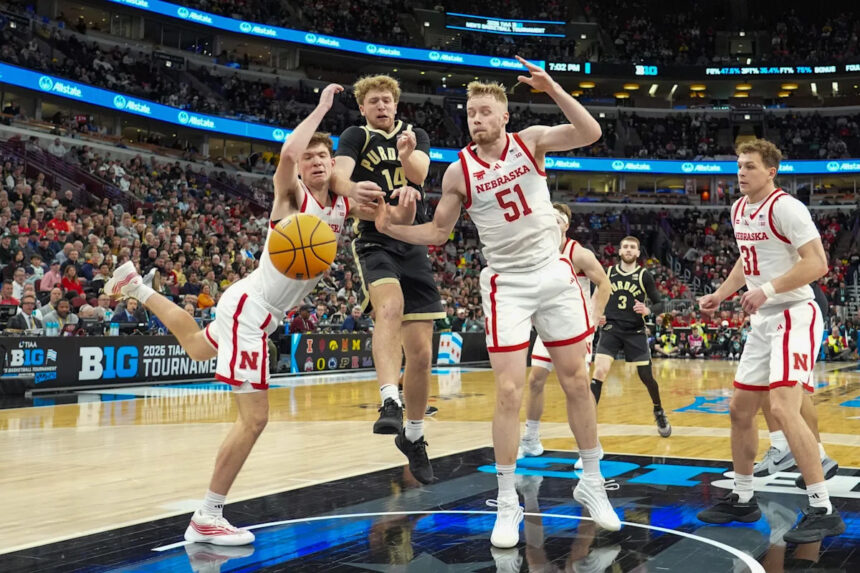
The Nebraska Cornhuskers’ quest for a transformative Big Ten Tournament victory collided with the cold, hard reality of Purdue’s postseason pedigree on Friday night. In a quarterfinal matchup that felt like a microcosm of their season, the Huskers fell 74-58 to the Boilermakers, a result that sent shockwaves across social media and left the program in a familiar, anxious holding pattern ahead of Selection Sunday. While the scoreboard told one story, the digital reaction from a passionate and weary fanbase painted a far more vivid picture of hope, frustration, and the enduring weight of history.
A Familiar Foe, A Familiar Result
From the opening tip, the game carried the hallmarks of a classic Purdue victory. The Boilermakers, leveraging their size and disciplined system, methodically dismantled the Huskers’ defensive schemes. Fletcher Loyer’s 19-point performance was a masterclass in off-ball movement and timely shooting, exposing gaps in Nebraska’s perimeter defense. While Pryce Sandfort battled valiantly for Nebraska, leading the team with 15 points, the Huskers’ offensive efforts often sputtered into contested shots or costly mistakes.
The key statistics that doomed Nebraska were glaring:
- 17 points off 9 turnovers surrendered to a Purdue team that feasts on opponent errors.
- A 45% field goal percentage allowed, with Purdue converting crucial baskets in the paint when needed.
- An overall Big Ten Tournament record that now sits at a dismal 6-14, a specter that haunts the program in March.
This wasn’t a blowout of effort, but one of execution. The Huskers competed, but against a team like Purdue, competing isn’t enough. You must execute with near-flawless precision for 40 minutes—a standard Nebraska could not meet. The loss underscored a persistent challenge: translating regular-season resilience into postseason breakthrough.
X (Twitter) Reacts: A Spectrum of Husker Emotion
As the final seconds ticked away at the Target Center, the real action shifted to social media. The reaction from fans, analysts, and former players was immediate and unfiltered, capturing the full emotional rollercoaster of supporting Nebraska basketball.
A significant portion of the discourse focused on the Husker defense, or the concerning lack thereof. “The defensive rotations tonight were a step slow all night. Against a team that runs their offense as well as Purdue, that’s a death sentence,” tweeted one prominent basketball analyst. The sentiment was echoed by countless fans who watched Purdue dissect the Huskers with surgical passes and backdoor cuts.
Yet, amidst the frustration, a thread of defiant support persisted. Many highlighted the team’s clear effort and the uphill battle of facing a No. 1 seed. “The fight was there. The shots just didn’t fall. This team never quit, and that’s a culture win, even in a loss,” wrote a loyal supporter, pointing to the intangible growth under the current coaching staff.
However, the most poignant reactions touched on the program’s historical burdens. The 6-14 all-time Big Ten Tournament record became a central talking point, a symbol of March struggles that this year’s squad could not overcome. “Another year, another early exit. When does the page finally turn?” lamented a long-time follower, capturing the weary hope of a fanbase desperate for a new chapter.
Selection Sunday: What’s Next for Nebraska Basketball?
With the automatic bid now out of reach, Nebraska’s postseason fate rests in the hands of the NCAA Selection Committee. The loss to Purdue, while not a “bad” loss per se, does little to bolster a résumé that is squarely on the bubble. The Huskers now face an agonizing wait until Selection Sunday, March 15, at 5 p.m. CT on CBS.
Expert analysis suggests Nebraska remains in the conversation, but their position is perilous. Key factors the committee will weigh include:
- Quadrant 1 wins secured during the regular season, which remain the strongest part of Nebraska’s case.
- The lack of a truly damaging “bad loss” outside of Quadrant 1.
- The overall strength of the Big Ten conference.
- The eye test from Friday’s game—a competitive loss to a top seed, not an embarrassing collapse.
The prediction among most bracketologists is that Nebraska will either be one of the final teams selected for an at-large bid or find themselves narrowly on the outside, destined for the NIT. The team’s performance in the regular season finale and their showing against Purdue likely kept them in the hunt, but did not secure their spot. The next 48 hours will be filled with intense scrutiny of other conference tournament results across the country.
The Road Ahead: Beyond the 2026 Bubble
Regardless of the verdict on Sunday, this season has revealed both progress and persistent gaps. The emergence of players like Sandfort provides a foundation, but the loss to Purdue highlighted the need for more consistent two-way players and perhaps another dynamic creator to survive in tournament settings.
The social media reaction to the loss, while raw, is ultimately a testament to elevated expectations. The fanbase is no longer simply hoping for a winning season; they are craving a sustainable winner that can break the March curse. The coaching staff must now channel this disappointment into recruiting and development. The goal must evolve from simply reaching the NCAA tournament to advancing in it.
Building a program that wins in March requires a specific toughness and tactical flexibility that was tested and found wanting against Purdue. Addressing the turnover issues and shoring up defensive communication against elite sets will be the offseason mantra.
Conclusion: A Program at a Crossroads
Nebraska’s 74-58 loss to Purdue in the Big Ten Tournament quarterfinals was more than just a game. It was a cultural moment, broadcast in real-time across social media platforms. The reactions—a blend of analytical critique, passionate defense, and historical frustration—show a fanbase deeply invested and yearning for a breakthrough. As the team awaits its fate on Selection Sunday, the overarching feeling is one of poignant limbo. The 2026 season offered glimpses of a brighter future, but the finale in Minneapolis served as a stark reminder of the work still to be done. The journey from competitive to clutch, from hopeful to feared in March, continues. The noise on social media will fade, but the imperative for the program is clear: the next step must be a leap.
Source: Based on news from Yahoo Sports.