Spain vs Argentina ‘Finalissima’ Cancelled: Geopolitical Tensions Eclipse Football’s Grand Stage
In a stark reminder that the beautiful game does not exist in a vacuum, the highly anticipated ‘Finalissima’ clash between Spain and Argentina, scheduled for March 27 in Doha, has been officially cancelled. UEFA confirmed the decision, citing the “current political situation” in the region, a direct consequence of escalating conflict in the Middle East. The cancellation robs fans of a dream encounter between European and South American champions and underscores how swiftly geopolitical fault lines can disrupt the global sporting calendar. The match, a celebration of continental supremacy, has been overshadowed by the sobering realities of international security, leaving organizers, players, and millions of fans in profound disappointment.
A Dream Matchup Sacrificed to Security Realities
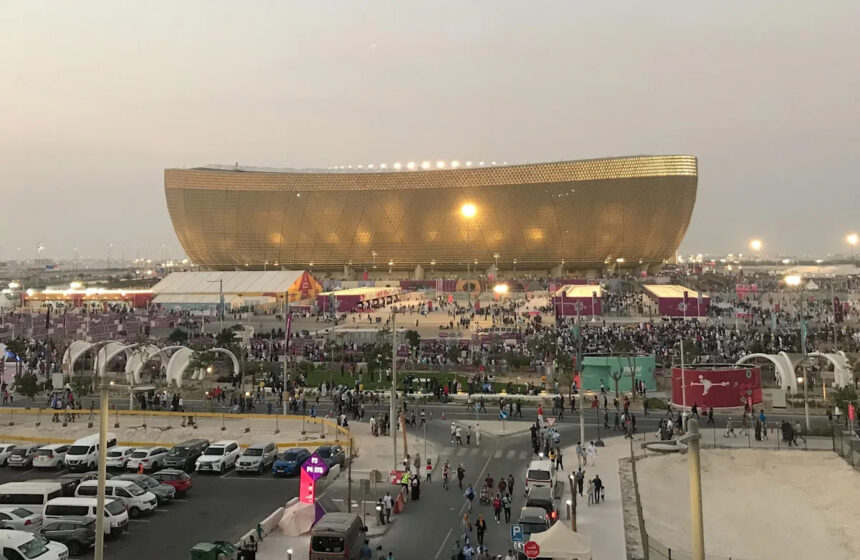
The ‘Finalissima’ was conceived as a glittering spectacle of attacking football. It pitted the technical mastery and youthful exuberance of European champions Spain, led by the prodigious Lamine Yamal, against the world champion grit and genius of Copa America winners Argentina, spearheaded by the iconic Lionel Messi. The venue, Lusail Stadium, was symbolic—the very ground where Messi lifted the World Cup in 2022. The narrative was perfect: a passing of the torch, or a defiant statement from the old guard. However, the backdrop of regional instability proved an insurmountable opponent.
UEFA’s statement was unequivocal: after discussions with Qatari authorities, the governing body concluded the event could not proceed safely. This decision did not occur in isolation. It follows a pattern of disruptions across the Gulf, where:
- US-Israeli strikes on Iran have triggered widespread security reassessments.
- Major airspaces have experienced disruptions, impacting some of the world’s busiest transit hubs.
- A cascade of other sporting events has been postponed or cancelled, prioritizing participant and spectator safety above all else.
Qatar, a nation that has staked its reputation on hosting mega-events flawlessly, ultimately concurred with UEFA’s assessment. The potential risks associated with flying in two of the world’s most high-profile teams, along with thousands of international fans, into a region of heightened military alert and unpredictable retaliatory possibilities were deemed too great.
Expert Analysis: The Unseen Calculus of Cancellation
From a sporting perspective, the cancellation is a significant blow. These intercontinental showcases are rare and vital for the game’s development, offering unique tactical clashes and unforgettable moments. For Spain’s young squad, testing themselves against Argentina’s battle-hardened champions would have been invaluable ahead of Euro 2024. For Argentina, it was a chance to reaffirm their global dominance and give Messi another iconic stage in a career defined by them.
However, the analysis must extend beyond the touchline. The decision-making matrix for UEFA and Qatari officials involved a cold, complex calculus:
- Insurance and Liability: Insuring an event of this magnitude amidst active conflict becomes prohibitively expensive, if not impossible. The liability for the safety of thousands is a paramount, non-negotiable concern.
- Logistical Nightmare: The uncertainty surrounding air travel, with potential for sudden airspace closures or flight diversions, made the movement of teams, staff, and equipment a precarious proposition.
- Fan Safety and Experience: Beyond the teams, the duty of care extends to supporters. The prospect of fans being stranded or caught in a crisis scenario is a nightmare for any organizer.
- Reputational Damage: Proceeding with a “business as usual” attitude during a regional crisis could have backfired spectacularly, damaging the reputation of all associated federations and Qatar itself.
The cancellation, while deeply disappointing, is a preemptive move. It is a recognition that in the current climate, the symbolic power of a football match could be misconstrued, and the safety of all participants cannot be guaranteed—a non-negotiable principle.
What’s Next? The Future of the Finalissima and Global Sport
The immediate question is whether this match will be rescheduled. UEFA’s statement expressed a desire to “explore alternative possibilities for staging the match at a later date.” However, the congested football calendar is a formidable challenge. The next international window is in June, just before the Copa America and Euro 2024, where both teams will be in final preparation mode, unlikely to risk a high-intensity friendly. A post-2024 date seems more plausible, but the unique moment—Messi still active, Spain’s golden generation emerging—will have passed.
This incident sets a concerning precedent and forces a broader conversation about the relationship between global sport and geopolitical instability. Major sporting bodies now face an era where:
- Event Planning Requires Geopolitical Risk Assessment as a standard, critical component, not an afterthought.
- The model of awarding mega-events to regions in volatile parts of the world will face increased scrutiny and require unprecedented contingency planning.
- The safety concerns that forced this cancellation may influence decisions around future tournaments, including the 2034 World Cup, already awarded to Saudi Arabia.
Football has long been a force for temporary unity, but the cancellation of the Finalissima is a sobering testament to its limits. When state-level conflicts escalate, the game, for all its wealth and influence, must often step aside.
A Conclusion Forged in Disappointment
The cancellation of the Spain vs Argentina Finalissima is a loss on multiple fronts. For the players, it’s a missed historic occasion. For the fans, it’s the theft of a memory. For the organizers, it’s a financial and logistical setback. Yet, it is an unequivocally correct decision. In a world where conflict can ignite with little warning, the responsibility of governing bodies is to err on the side of caution.
The enduring image is one of absence: the empty, gleaming bowls of Lusail Stadium, a silent testament to a clash of titans that never was. The match between Lionel Messi and Lamine Yamal remains a hypothetical, a “what if” forever tied to a moment of international crisis. While football will inevitably heal and move on, with other matches and other trophies, this episode serves as a permanent fixture in the sport’s history—a reminder that even the most beautiful of games cannot always transcend the world’s divisions. The final whistle, in this case, was blown before a ball was even kicked, with security and sanity rightly claiming the victory.
Source: Based on news from Yahoo Sports.