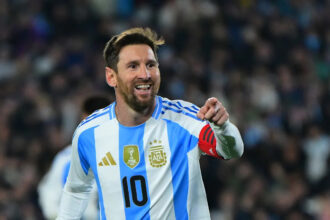
Geopolitical Turmoil Cancels Finalissima: Messi vs. Yamal Dream Match Scrapped
In a stark reminder of how global events can overshadow the beautiful game, the much-anticipated Finalissima clash between Argentina and Spain has been officially canceled. The marquee match, set for March 27 at Qatar’s Lusail Stadium, fell victim to the escalating security concerns stemming from the widening conflict in the Middle East. The decision, announced jointly by UEFA and Qatari authorities, dashes hopes for a glamorous pre-World Cup spectacle between the reigning champions of South America and Europe, led by icons Lionel Messi and Lamine Yamal.
A Collision of Champions Derailed by Conflict
The Finalissima was conceived as a celebration of continental supremacy. Argentina, fresh off their dramatic 2021 Copa América triumph and iconic 2022 World Cup victory, were set to face a resurgent Spain, crowned champions of EURO 2024. The narrative was irresistible: Lionel Messi, potentially in one of his final appearances in Argentine colors before the North American World Cup, facing the prodigious talent of Barcelona’s Lamine Yamal, a symbol of Spain’s dazzling new generation.
The venue added to the prestige. Lusail Stadium is hallowed ground for Argentine fans, the site of their epic World Cup final victory over France. Returning there was meant to be a symbolic homecoming for Messi and his squad. However, the widening Middle East war fundamentally altered the calculus. With Iran intensifying retaliatory attacks across the region following weeks of aerial assaults by the U.S. and Israel, the security situation became too volatile to guarantee the safety of players, staff, and the thousands of traveling fans.
UEFA’s statement was succinct and somber: “due to the current political situation in the region, the Finalissima… cannot be played as hoped.” This simple phrase underscores a complex reality where sport, despite its power, must yield to paramount security imperatives.
Expert Analysis: The Ripple Effects Beyond the Pitch
The cancellation of a match of this magnitude sends significant ripples through the football world. From a sporting perspective, both teams lose a critical, high-pressure tune-up ahead of this summer’s World Cup in North America. For Argentina, it was a chance to test their veteran core against elite European opposition. For Spain, it was an opportunity to measure their youthful exuberance against the world champions’ grit and experience.
Financially, the impact is multi-layered:
- Broadcasters and Sponsors: Major deals for global broadcasting and sponsorship are now void, leading to substantial revenue loss and complex contractual renegotiations.
- Qatar’s Sports Strategy: The Gulf nation has meticulously positioned itself as a global sports hub. The cancellation of a high-profile event is a setback to this calendar and raises questions about the stability of hosting rights in a turbulent region.
- Fan Investments: Thousands of fans who booked travel and accommodation to Doha are left out of pocket, facing the frustration of canceled plans for a dream footballing occasion.
Furthermore, the decision highlights the intricate relationship between Gulf diplomacy and sport. Qatar has successfully navigated regional tensions before, but the current escalation presented an unacceptable risk profile. The call to cancel, while disappointing, is a prudent one, prioritizing human safety over spectacle.
What’s Next for Argentina and Spain?
With the Finalissima canceled, the football associations of both nations must scramble to find alternative preparations. The March FIFA international window is a crucial final phase for tactical refinement before major tournaments. Expect both federations to be on the phone seeking replacement friendlies, though finding an opponent of equivalent stature at such short notice is nearly impossible.
Potential scenarios include:
Argentina: Coach Lionel Scaloni may now look to organize a friendly in Europe or even in the United States, against a top-tier European side that also missed qualification for the Euros, or a strong South American rival. The focus will be on replicating the high-intensity challenge they lost.
Spain: Manager Luis de la Fuente faces a similar puzzle. Spain’s technical style benefits from facing disciplined, defensive teams like Argentina. An alternative friendly might be arranged against a fellow European World Cup contender, or a high-level South American team like Uruguay or Colombia, to simulate the physicality they will face in the Americas.
The absence of this match also alters the narrative for the World Cup. A head-to-head result between two favorites would have created a powerful psychological marker. Now, that direct comparison remains a tantalizing “what if,” potentially setting the stage for an even more dramatic encounter should the two meet in the knockout stages in North America.
A Sobering Conclusion: When the World Intrudes on the Game
The cancellation of the Argentina-Spain Finalissima is more than a scheduling footnote; it is a sobering moment for international sport. It underscores that even the most meticulously planned events, featuring the world’s most famous athletes, are not immune to the harsh realities of geopolitics and conflict. The beautiful game exists within the wider world, not apart from it.
While fans are deprived of a legendary matchup, the decision reaffirms a fundamental principle: no sporting event is worth compromising the safety of its participants and supporters. The image of Messi and Yamal exchanging jerseys at Lusail will remain unrealized, a symbol of a celebration postponed by instability. As both teams regroup and refocus on their World Cup ambitions, the hope will be that by the time they land in North America, the focus can return solely to the football—and that the next time such champions are scheduled to meet, the only thing at stake is a trophy.
Source: Based on news from Yahoo Sports.