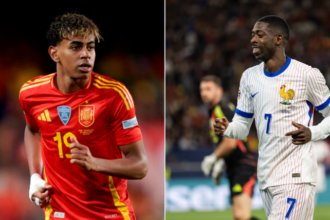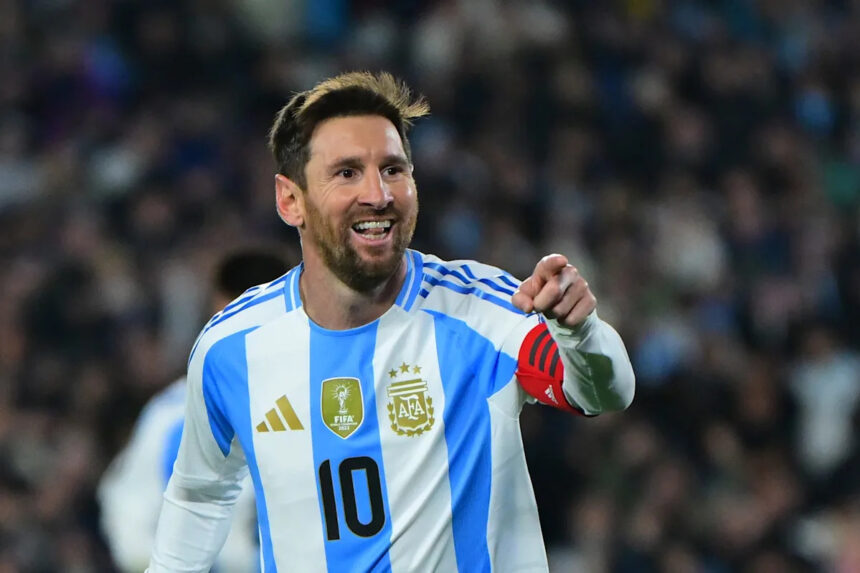
No More Messi vs Yamal: Finalissima 2026 Between Spain and Argentina Officially Cancelled
The football world has been dealt a significant blow as one of the most anticipated intercontinental clashes in recent memory has been called off. The 2026 edition of the Finalissima, a dream showdown between European champions Spain and Copa América winners Argentina, has been officially cancelled. The match, which promised a generational duel between Lionel Messi and Spain’s teenage sensation Lamine Yamal, will not take place, leaving a void in the international football calendar and dashing the hopes of millions of fans globally.
A Dream Matchup Collapses: The Official Announcement
UEFA, in conjunction with CONMEBOL, confirmed the cancellation in a terse statement released on Sunday. The decision marks the abrupt end of months of planning and negotiation for an event designed to be the crown jewel of the burgeoning partnership between the two continental governing bodies. The match was slated to be the marquee event of the Qatar Football Festival in March 2026, set for the iconic Lusail Stadium—a venue steeped in World Cup history. However, what was envisioned as a celebration of football excellence has succumbed to geopolitical realities far beyond the pitch.
The cancellation stems from a dual crisis: a complete breakdown in financial and logistical negotiations, compounded by escalating and insurmountable security concerns. While the initial allure of Qatar’s state-of-the-art infrastructure was strong, the evolving situation in the Middle East created a chain of complications that ultimately proved fatal for the event.
Unpacking the “Why”: Geopolitics Trumps Football
The core reasons for the cancellation are complex and interlinked, revealing the fragile nature of organizing global sporting spectacles in volatile regions. The initial excitement surrounding the Qatar Football Festival has been completely overshadowed by practical impossibilities.
Primary Factors Leading to Cancellation:
- Regional Instability and Security: The ongoing conflict in the Middle East has caused severe disruption to regional travel hubs and airspace. Organizers could not guarantee the safe and secure passage for teams, officials, and the thousands of international fans expected to descend on Doha. The risk was deemed too high for an exhibition match.
- Logistical Nightmares: The airspace disruptions directly impacted flight paths and availability, making it nearly impossible to coordinate the complex travel schedules of two national teams flying in from different continents, along with broadcasting and equipment logistics.
- Breakdown in Negotiations: Behind the scenes, talks between UEFA, CONMEBOL, Qatari organizers, and commercial partners reportedly collapsed. The security situation added immense unforeseen costs and contractual complications, leading to an irreparable rift between the stakeholders.
- Player Welfare and Association Reluctance: National federations, particularly the Spanish RFEF and the Argentine AFA, grew increasingly uneasy about committing their star players to a potentially risky environment. The priority of player safety became a non-negotiable point, aligning with the governing bodies’ ultimate decision.
Analysis: The Ripple Effects Beyond a Cancelled Match
This cancellation is more than just the loss of a single friendly. It represents a significant setback for the UEFA-CONMEBOL alliance, which has been actively promoting cross-continental competitions like the Finalissima and the revamped Intercontinental Cup. The 2022 Finalissima at Wembley, where Argentina triumphed over Italy, was a massive success, setting a high bar for this planned sequel.
From a sporting perspective, the loss is immense. We are denied a symbolic passing-of-the-torch moment between Lionel Messi, the undisputed legend of his era, and Lamine Yamal, the 16-year-old prodigy carrying the hopes of a new Spanish generation. The tactical battle between Argentina’s gritty, champion mentality and Spain’s possession-based, youthful revolution under Luis de la Fuente would have been a fascinating case study. Furthermore, for players like Spain’s Rodri and Argentina’s Alexis Mac Allister, who are Premier League rivals, it added another compelling layer of narrative.
Financially, the fallout is substantial. Broadcasters, sponsors, and the Qatari tourism sector invested heavily in the concept of the Football Festival. The cancellation will trigger complex contractual disputes and result in substantial lost revenue for all parties involved. It also casts a shadow over Qatar’s ability to host non-essential mega-events in the current climate, despite its flawless execution of the 2022 World Cup.
What’s Next? The Future of the Finalissima and International Football
The immediate question is whether the 2026 Finalissima will be rescheduled or simply scrapped entirely. Sources suggest a rescheduling in the same timeframe is highly unlikely. The next international window is crowded with crucial UEFA Nations League and FIFA World Cup qualifier matches for both teams, leaving little room for a one-off event of this scale.
Potential future scenarios include:
- A Permanent Shift to Stable Venues: The governing bodies may revert to hosting the Finalissima exclusively in Europe or South America, prioritizing operational stability over financial offers from other regions. London’s Wembley Stadium remains a prime candidate.
- Integration into a Larger Tour: Future editions could be part of a champion’s tour, where the winning team plays a series of matches across continents, diluting the risk associated with a single location.
- Focus on the 2028 Edition: All efforts may now pivot towards organizing the 2028 Finalissima, featuring the winners of Euro 2024 and Copa América 2024, with lessons harshly learned from this cancellation.
Conclusion: A Stark Reminder of Football’s Limits
The cancellation of the Spain vs. Argentina Finalissima is a sobering moment for the sport. It underscores that even the most glamorous fixtures, featuring the world’s greatest players, are not immune to the harsh realities of global politics and security. While the allure of a Messi vs. Yamal showdown was a powerful marketing dream, the responsibility to protect players, staff, and fans is the undeniable priority.
Football fans worldwide are left to wonder what might have been. The image of Messi, potentially in his final years of international football, facing off against the dazzling talent of Yamal, is now confined to the realm of hypothetical debates. This episode serves as a stark reminder that in the beautiful game, sometimes the most significant battles are those fought and lost in boardrooms and security briefings, far from the green grass of the pitch. The hope now is that the spirit of the Finalissima can be revived in a safer, more stable environment, allowing football, not external conflict, to take center stage once more.
Source: Based on news from Yahoo Sports.