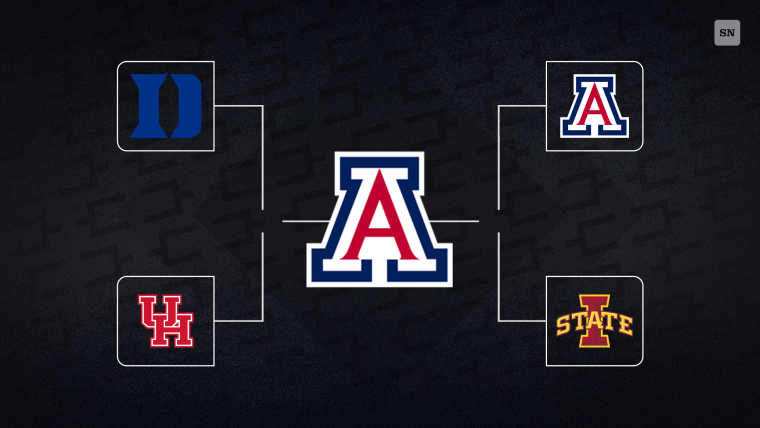
March Madness 2026 Predictions: Using KenPom to Master Your Bracket and Find Upsets
Every March, millions of brackets are filled out based on gut feelings, mascot strength, or favorite jersey colors. And every March, those brackets are shredded by the chaos of the NCAA Tournament. For those seeking a strategic edge, a path through the madness that relies on more than chance, there is one indispensable tool: Ken Pomeroy’s analytics. As we look ahead to the 2026 NCAA Tournament, leveraging the KenPom ratings isn’t just a smart move—it’s the foundation for building a bracket that can survive the upsets and correctly identify the true Final Four contenders.
Beyond the Seed: Why KenPom is the Bracketologist’s Secret Weapon
Seeding is the NCAA Tournament committee’s opinion. KenPom is a mathematical reality. While the bracket presents a tidy 1-through-16 hierarchy, Pomeroy’s system digs deeper, evaluating teams on a possession-by-possession basis to measure their true efficiency. The key metrics—Adjusted Offensive Efficiency (AdjO) and Adjusted Defensive Efficiency (AdjD)—account for opponent strength and pace, providing a pure measure of a team’s quality.
Most fans suffer from recency bias, overvaluing a team’s conference tournament run, or seeding bias, blindly picking higher seeds. KenPom eliminates that noise. It tells you which #5 seed is actually playing like a #2 seed, or which #12 seed’s defensive prowess makes them a legitimate upset threat. Before you make a single 2026 NCAA Tournament pick, consulting KenPom is the non-negotiable first step toward statistical sanity in an insane sports event.
The KenPom Final Four Filter: A History of Predictive Power
The ultimate goal of any bracket is to pinpoint the Final Four. Here, KenPom’s data provides a remarkably clear filter. Consider the modern tournament era:
- Over the last 17 NCAA Tournaments, only six teams ranked outside the top 20 in KenPom have reached the Final Four. That’s a stunning 8.8% hit rate.
- The vast majority of national champions reside in the KenPom top 10, often the top 5, entering the tournament.
- This trend underscores a critical principle: sustained excellence, as measured over an entire season, trumps a hot weekend in March.
For your 2026 bracket, this creates a simple but powerful rule. When selecting your Final Four, start your search within the KenPom top 20. Any team outside that range is a monumental gamble. This filter immediately narrows the field and forces you to scrutinize whether that trendy #6 seed with the flashy guard is truly elite or just a compelling story.
Identifying 2026 Upsets: How to Use KenPom to Pick Cinderella
Upsets are the soul of March Madness, but the best upsets aren’t random—they are predictable. KenPom is your crystal ball for finding the #12 over #5 or #13 over #4 upsets that will bust everyone else’s brackets.
Look for these key analytical markers when hunting for 2026 upsets:
- Defensive Mismatches: A lower-seeded team with a top-40 AdjD rating can slow down a higher-seeded team that relies on offensive firepower but has defensive lapses.
- Pace Control: A slow, deliberate team (low adjusted tempo) can muck up the game and limit possessions, neutralizing a more athletic opponent’s advantage.
- Three-Point Defense: Check KenPom’s defensive 3PT% ranking. A high-seeded team vulnerable from the arc is ripe for an upset by a hot-shooting underdog.
- Experience & Stability: While not a pure KenPom stat, pairing his efficiency data with a team full of upperclassmen (often found in mid-major conferences) is a potent upset formula.
The classic example is a #5 seed ranked 30th in KenPom facing a #12 seed ranked 40th. The efficiency gap is negligible, making the “upset” a near 50/50 proposition. Your bracket should reflect that.
2026 Final Four Predictions: An Early KenPom Framework
While specific teams for 2026 are unknown, the archetypes are not. Using KenPom principles, we can project the profile of the 2026 Final Four contenders. They will likely be teams that excel on both ends of the floor, a hallmark of KenPom’s overall rating.
Expect the 2026 national champion to fit this profile:
- Top 20 in both AdjO and AdjD: Championship teams are almost always balanced. A weakness on one end can be exploited in a single-elimination format.
- Elite AdjO Rating (Top 10): In modern basketball, elite offense has proven slightly more critical than elite defense for a six-game title run.
- Strong Free Throw Shooting: A core KenPom component. Teams that shoot poorly from the line in close games see their tournaments end early.
- Veteran Guard Play: While analytics measure output, championship DNA often resides in experienced backcourts that limit turnovers (a key KenPom factor) under pressure.
Your 2026 Final Four picks should be teams that check these boxes. Look for the #2 seed that is actually #8 in KenPom, or the #3 seed that is #5 in defensive efficiency. They are the teams built for the long haul.
Mastering the Madness: Your 2026 Bracket Blueprint
As you prepare for the 2026 NCAA Tournament, let KenPom be your guide through the chaos. Start by filtering for Final Four teams within the analytical top 20. Then, mine the matchups for upsets by identifying minimal efficiency gaps and defensive-minded underdogs. Finally, trust the full-season data over the last-week narrative.
March Madness gets its name from the unpredictability, but the winners of bracket pools are those who replace guesswork with insight. The numbers have a story to tell—a story of consistent efficiency, defensive resilience, and offensive execution. By the time the 2026 bracket is revealed, the groundwork for your winning picks will already be laid, thanks to the analytical framework provided by Ken Pomeroy. The madness is coming. Arm yourself with data.
MARCH MADNESS HQ: Live NCAA bracket | Full TV schedule | Printable bracket
March Madness predictions 2026: Using KenPom to pick NCAA bracket upsets, Final Four originally appeared on The Sporting News. Add The Sporting News as a Preferred Source by clicking here.
Source: Based on news from Yahoo Sports.