BBC Pundits Reveal Their 2026 Six Nations Teams of the Tournament
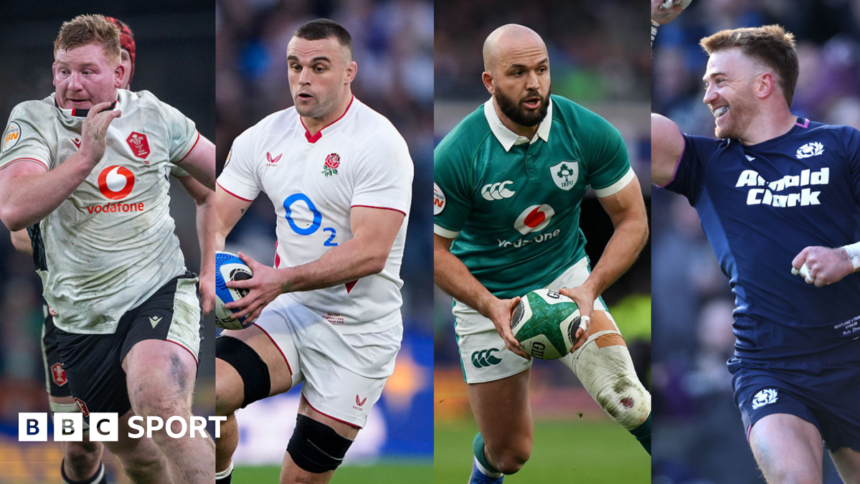
The dust has settled on what is being universally dubbed as the greatest championship ever. After a breathtaking seven weeks of drama, France secured a record eighth Six Nations title with a heart-stopping, last-gasp victory over England in Paris. The narrative of the 2026 tournament was one of relentless intensity, razor-thin margins, and individual brilliance that redefined excellence. In the aftermath, the debate immediately turned to celebrating the standout performers. On BBC Rugby Special, former Wales captain Sam Warburton and former Scotland skipper John Barclay locked horns to select their personal teams of the tournament, offering a masterclass in expert analysis.
The Pundits’ Verdict: Warburton vs. Barclay
With the champagne barely dry in the French dressing room, the BBC studio became an arena for a different kind of contest. Sam Warburton, the two-time British & Irish Lions captain, and John Barclay, the cerebral former Scotland flanker, approached their selections from distinct philosophical viewpoints. Warburton, ever the pragmatist, leaned towards the players whose consistency and impact defined their teams’ campaigns. Barclay, meanwhile, showcased a keen eye for the game-changers, the individuals whose moments of magic often tipped the balance in pivotal fixtures. Their disagreements were as illuminating as their agreements, painting a vivid picture of a tournament rich in talent.
Breaking Down the Teams of the Tournament
The core of the discussion revolved around key positional battles where the depth of quality made selection a nightmare. Both pundits acknowledged that several choices could have gone multiple ways, a testament to the championship’s competitive ferocity.
The Engine Room: Forward Foundations
In the front row, there was surprising consensus. France’s title-winning pack provided the cornerstone for both teams. The explosive power of their loosehead prop and the set-piece dominance of their hooker were deemed non-negotiable. The second row sparked the first major debate. Warburton installed the immense English lock, whose lineout stewardship and defensive workrate were colossal. Barclay countered with the athletic Irish veteran, whose ability in the loose and leadership under pressure swayed his vote.
The back row, however, was where the selectors’ philosophies truly diverged. Their selections highlighted the multifaceted nature of modern flank play:
- Sam Warburton’s Pick: He favoured the classic “jackal” threat, selecting the Scottish openside whose turnover count was off the charts. He paired him with the omnipresent English blindside, a defensive titan, and the dynamic French No. 8 who carried his side over the gainline relentlessly.
- John Barclay’s Choice: Barclay prioritized footballing intelligence and link play. He went for the Irish openside, a breakdown nuisance but also a key attacking connector. His blindside was the Welsh captain, whose lineout skills and distribution were crucial, while he agreed with Warburton on the French No. 8’s indispensability.
The Conductor and the Cavalry: The Backline Maestros
The half-back pairing was arguably the most hotly contested area. At fly-half, the duel between France’s cool-headed champion and Ireland’s visionary playmaker split the pundits. Warburton sided with the French general for his clutch goalkicking and game management under the fiercest pressure, particularly in that final weekend. Barclay, in contrast, was captivated by the Irishman’s creative genius and try-assist tally, arguing he was the singular talent who made the impossible look routine.
The midfield saw agreement on one centre: the powerful Irish inside centre who broke tackles and defensive systems at will. Outside him, Warburton selected the robust English defender, while Barclay opted for the silky French distributor. In the back three, the thrilling last-gasp victory in Paris produced one unanimous hero: the French winger who scored the championship-winning try. His combination of raw pace and finishing instinct made him an automatic pick. The fullback slot went to the tournament’s top meter-maker, a Scottish counter-attacking menace who terrified every defence he faced.
Analysis: What the Selections Tell Us About the 2026 Championship
Looking beyond the individual names, the collective shape of both pundits’ teams reveals the overarching themes of the 2026 Six Nations. The significant French representation is a direct reflection of their champion status; their players delivered in the moments that mattered most. The strong showing from Ireland and England underscores their roles as formidable contenders, both finishing within a whisker of the title. Scotland’s inclusions highlight their continued evolution into a side capable of beating anyone on their day, while the presence of Welsh and Italian players in the discussion confirms the rising standard across the board.
This was not a tournament won by one or two superstars, but by squads with depth and players who excelled in specialized roles. The debate between Warburton and Barclay—the breakdown specialist versus the link-player advocate—encapsulates the modern game’s tactical complexity. There is no longer a single blueprint for a “perfect” player in any position.
Predictions: Building on a Historic Tournament
If the 2026 edition has set a new benchmark as the greatest championship ever, the challenge for the nations is now to scale even greater heights. The performances of several emerging young talents across all six teams suggest the talent pipeline is bursting. The intensity of the Lions selection debate for the 2027 tour to Australia, already simmering, will be directly informed by the battles witnessed this year.
Expect teams to double down on the pace and skill that defined this tournament, with further innovation in attack and defensive structure. The narrow margins will force even greater focus on mental resilience and clutch performance. The players celebrated by Warburton and Barclay have not just set the standard; they have raised the bar for what is expected in the international arena.
Conclusion: A Celebration of Excellence
The exercise of selecting a team of the tournament is always subjective, but the analyses from Sam Warburton and John Barclay provide an authoritative lens through which to appreciate a legendary Six Nations. Their insights move beyond mere statistics to assess impact, pressure, and influence on the game’s biggest stages. While they differed on several key positions, their ultimate agreement was on the unparalleled quality of the 2026 championship. From the first whistle to the last-gasp victory in Paris, this was a tournament that celebrated rugby in its most compelling, brutal, and beautiful form. The players immortalized in these pundits’ teams are the architects of that legacy, having written their names into the history of the greatest championship ever.
Source: Based on news from BBC Sport.