Five Talking Points Ahead of Europe’s High-Stakes World Cup Play-offs
The long and winding road to the 2026 FIFA World Cup reaches its definitive European climax this week. While 42 nations have already secured their passage to the North American spectacle, the continent’s final four spots are reserved for the victors of a brutal, winner-takes-all showdown. Sixteen nations remain, their dreams hanging by a thread in an unforgiving single-leg format. This final mid-season international window is more than just a fixture list; it’s a pressure cooker of sporting drama, where psychological scars, political tensions, and managerial gambles will collide. Here are the five defining narratives set to shape a week of pure footballing theatre.
Italy’s Bergamo Baptism: A Nation Awaits Exorcism
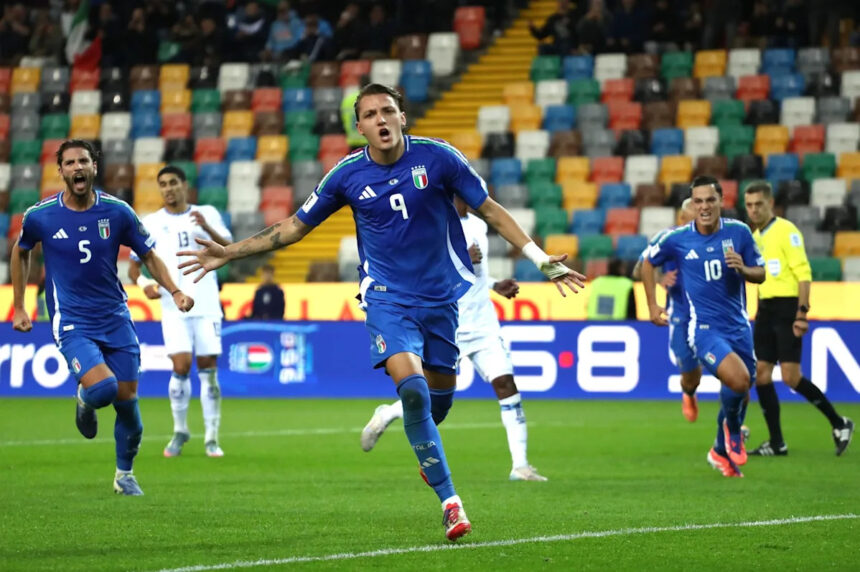
For the Italian national team, the very term “World Cup play-off” is a trigger for collective trauma. The failure to qualify for the 2018 and 2022 tournaments hangs over the Azzurri like a dark cloud, despite their triumphant Euro 2020 campaign. Now, under the guidance of Luciano Spalletti, they face a monumental test against a dangerous Ukraine side. The choice of venue is profoundly symbolic: Bergamo’s Gewiss Stadium. This city, brutally affected in the early days of the pandemic, represents the resilience and heart of the nation. Playing here is a deliberate move to harness raw, emotional energy.
The tactical and personnel questions are immense. Can Spalletti’s aggressive, possession-based philosophy translate instantly to a must-win knockout scenario? The absence of key suspended players adds to the adversity. For Italy, this is more than a football match; it’s a public reckoning. A victory would not just secure a ticket to the World Cup—it would begin to banish the psychological ghosts of a generation. Defeat is unthinkable, promising a fallout of seismic proportions for a football-mad country tired of watching the world’s biggest party from home.
The Single-Leg Crucible: No Room for Error
Gone are the two-legged affairs of play-offs past. UEFA’s decision to adopt a single-leg knockout format has radically amplified the pressure. There is no second chance, no opportunity for a heroic comeback in the return fixture. Every moment, every decision, is magnified. This format brutally punishes the slightest error—a red card, a defensive lapse, a missed penalty—and instantly rewards bold, decisive play. It is a test of nerve as much as skill.
This environment creates unique strategic dilemmas for managers:
- Risk vs. Reward Management: Do you start cautiously or go for an early knockout blow?
- In-Game Adjustments: With no second leg to fix mistakes, halftime changes must be immediate and impactful.
- Penalty Preparation: The spectre of a shootout looms larger than ever, making the final 30 minutes of a tight game a mental chess match.
This format is a gift for the neutral but torture for the partisan fan. It ensures that from the first whistle, we will witness football at its most visceral and intense.
Political Tensions and Footballing Focus
Beyond the touchlines, broader world events cast a long shadow over certain fixtures. The most poignant example is the clash between Denmark and Slovenia. The Danish Football Union has taken a firm, unprecedented stance by requesting that Slovenian fans refrain from bringing any symbols related to the government of neighbouring Bosnia and Herzegovina, citing political sensitivities. This directive injects a complex, geopolitical dimension into the sporting contest.
It presents a formidable challenge for both sets of players: to block out the external noise and maintain absolute focus on the monumental sporting prize at stake. Can the beautiful game remain an isolated spectacle, or will wider tensions permeate the atmosphere? How the teams and federations navigate this delicate situation will be a subplot watched closely, testing football’s often-stated role as a unifying force in a divided world.
Managerial Gambles and Last Chances
This window represents the final audition for several managers, whose legacies and job security hinge on 90 minutes. For some, it’s a chance at redemption; for others, it’s a validation of a long-term project.
Wales vs. Poland is a fascinating case study. Rob Page, who led Wales to their first World Cup in 64 years in 2022, faces immense pressure to deliver back-to-back qualifications. Standing in his way is a resurgent Poland, led by the experienced Michal Probierz, who has steadied the ship after a rocky qualifying group. Then there’s Greece’s Gus Poyet. The Uruguayan has instilled a vibrant, attacking style in the Greeks, who face a tricky path against Kazakhstan and then either Georgia or Luxembourg. Success would mark a stunning return to the global stage for a nation that has been absent since 2014.
These play-offs are a brutal referendum on a manager’s work. A win brings glory and a contract extension; defeat often brings only a P45 and a nation in mourning.
Underdogs with Everything to Gain
While the spotlight shines brightest on the traditional giants, the single-leg format is a potent weapon for the underdog. Nations like Georgia, Kazakhstan, and Luxembourg have already made history by reaching this stage. With significantly less pressure and the weapon of a one-off game, they possess a dangerous, liberated energy.
Georgia, spearheaded by the magical Khvicha Kvaratskhelia, have the individual talent to decide any match in a moment. Kazakhstan’s remarkable comeback wins in qualifying prove they possess a never-say-die attitude perfect for knockout football. Luxembourg, under Luc Holtz, have built a disciplined and ambitious side that fears no one. These teams are not just happy to be here; they are capable of causing seismic upsets and rewriting their footballing histories. They represent the pure, unpredictable magic of the play-offs.
Predictions and the Final Verdict
Forecasting these high-pressure contests is a fool’s errand, but the narratives point towards certain crescendos. Italy’s emotional charge in Bergamo should see them through against a Ukraine side missing key figures, but it will be a tense, gruelling affair. Wales’s home advantage in Cardiff, coupled with the generational desire of players like Aaron Ramsey, may just edge out Poland’s individual quality in a close, physical battle.
In the other paths, look for Denmark’s experience to overcome a talented but less-tested Slovenia, while Greece’s tactical maturity under Poyet should navigate their tricky bracket. However, the beauty of this week lies in its capacity for shock. One moment of genius from Kvaratskhelia or a heroic defensive stand from Kazakhstan can shatter all logic.
This week, across four pitches in Europe, football becomes a pure, unadulterated drama. It’s a test of nerve, a battle against history, and a fight for a dream that defines careers and captivates nations. The 2026 World Cup awaits its final European guests. For four nations, the celebration will be euphoric. For the rest, the heartbreak will be absolute. Strap in; the play-offs are here.
Source: Based on news from Yahoo Sports.