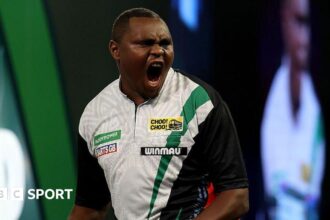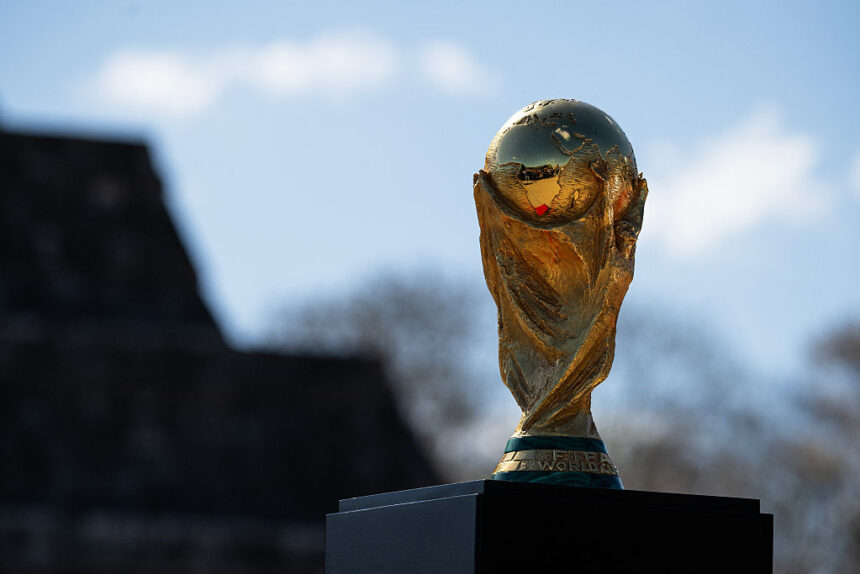
Ghana’s World Cup Gambit: Black Stars Sack Otto Addo in Stunning Pre-Tournament Shake-Up
In a move that has sent shockwaves through the global football community, the Ghana Football Association (GFA) has pulled the emergency cord just 73 days before the kickoff of the 2026 FIFA World Cup. The federation has officially parted ways with head coach Otto Addo, a decision that underscores a climate of crisis and a desperate bid for redemption. This thunderclap announcement, coming on the heels of humiliating friendly defeats and a catastrophic failure in continental qualification, throws the plans of the four-time African champions into disarray on the eve of the planet’s biggest sporting spectacle. The Black Stars, drawn in a formidable group with England, Croatia, and Panama, are now a team in urgent search of an identity and a leader.
A Reign Defined by Qualification and Collapse
Otto Addo’s second stint at the helm of the Ghana national team was always a narrative of two starkly different chapters. Hailed as a savior when he returned in March 2024, his primary and most celebrated achievement was securing the Black Stars’ ticket to the World Cup. This feat, however, quickly became a smokescreen for deeper, systemic issues festering within the squad. The veneer of success cracked irreparably during the 2025 Africa Cup of Nations (AFCON) qualifiers, where Ghana’s failure to reach the tournament stands as a major setback of historic proportions. For a nation with Ghana’s rich footballing pedigree, missing out on the continent’s premier competition is an unforgivable sin in the eyes of its passionate supporters.
The recent international window in March was the final, damning indictment. A 2-1 loss to Germany could be rationalized, but the subsequent 5-1 demolition at the hands of Austria was a national embarrassment. The performances revealed alarming deficiencies:
- Defensive Fragility: A backline that appeared disorganized and vulnerable to simple transitions.
- Midfield Incoherence: A lack of control and creative spark in the engine room, leaving star forwards isolated.
- Questionable Tactical Setup: Addo’s strategies and in-game adjustments were heavily criticized as being naive and ineffective against elite opposition.
These results confirmed a growing suspicion: qualifying for the World Cup was an individual triumph, but building a competitive team capable of honoring the Black Stars’ jersey was a challenge Addo could not meet.
The Daunting Task Ahead: World Cup Group Analysis
The GFA’s drastic decision is undeniably fueled by the daunting World Cup group that awaits. Ghana finds itself in a proverbial “Group of Death,” facing a gauntlet of styles and pedigrees. A new manager will have virtually no time to implement a philosophy before facing these giants.
England: The first opponent presents a monumental challenge. Gareth Southgate’s squad, brimming with individual talent and tournament experience, will test Ghana’s defensive resolve from the opening whistle. Any tactical disorganization will be ruthlessly exploited.
Croatia: The chess match. Luka Modrić and Croatia’s metronomic midfield mastery will demand discipline, intelligence, and relentless pressing. This fixture will be won or lost in the minds and tactical discipline of the Ghanaian players.
Panama: Arguably the most pivotal fixture. While on paper the “easiest,” Panama is a physically robust, organized, and passionate side. This match represents Ghana’s most likely source of points and will be a severe test of their mentality and ability to break down a stubborn, low block under immense pressure.
The incoming coach isn’t just preparing a team; he is engineering a mindset. He must instill belief, forge a cohesive unit from a squad often accused of being a collection of individuals, and devise a flexible tactical plan for three starkly different battles—all within a matter of weeks.
Speculation and Strategy: Who Will Steer the Ship?
The immediate frenzy now shifts to the successor. The GFA’s choice will reveal their ambition and risk appetite. Several profiles are in contention, each with distinct pros and cons.
The likely shortlist features two main archetypes: the high-profile foreign manager or the pragmatic local solution. A big-name foreign coach could bring instant credibility, a fresh tactical perspective, and the force of personality to command the dressing room. However, they would have zero time to understand the nuances of Ghanaian football and player dynamics.
Conversely, appointing a respected Ghanaian coach or a former star with deep knowledge of the local ecosystem could ensure faster player buy-in and cultural alignment. The risk is whether they possess the tactical acumen at the very highest level to outwit the likes of Southgate and Dalic. The federation may also consider a short-term “firefighter” contract, a specialist in tournament preparation tasked solely with navigating the World Cup group, with a longer-term decision deferred.
Whoever accepts the role must immediately address core issues: solidifying the defense, establishing a clear midfield hierarchy, and unlocking the undeniable attacking potential of players like Mohammed Kudus, Inaki Williams, and Antoine Semenyo. The margin for error is zero.
A Calculated Risk or a Panic Decision?
As the dust settles, the football world is split on the GFA’s timing. Critics label it a panic decision that destabilizes the team on the eve of the tournament. Consistency and preparation time are priceless commodities before a World Cup, and Ghana has voluntarily sacrificed both. The new manager will have, at best, one or two friendly matches to impose his ideas, a terrifying prospect.
Proponents, however, argue that this was a necessary surgical strike. Continuing with Addo, whose authority and project appeared broken, was a guaranteed path to a meek World Cup exit. The radical change, while risky, offers a sliver of hope—the “new manager bounce.” A charismatic, tactically astute appointment could galvanize a squad that seemed disillusioned, transforming a climate of fear into one of renewed purpose. Sometimes, the devil you don’t know is preferable to the one you do.
History offers mixed lessons. Some teams have thrived after a late managerial change, riding a wave of new energy. Others have crumbled under the instability. For Ghana, this gamble is monumental. It is a bet on the transformative power of leadership and a rejection of a perceived inevitable decline.
Conclusion: A Nation’s Hopes Rest on a Brave, Late Call
The sacking of Otto Addo is more than a simple managerial change; it is a statement of intent from a football-crazed nation unwilling to accept mediocrity. The GFA has stared into the abyss of a potential World Cup humiliation and chosen a perilous path of reinvention over a comfortable march to failure. The coming weeks will be a whirlwind of appointment rumors, tactical cramming, and intense scrutiny.
The success of this thunderclap decision will be judged not in boardrooms or press conferences, but on the World Cup fields against England, Croatia, and Panama. Has Ghana engineered a masterstroke that will unite and inspire their Black Stars to glory, or have they orchestrated their own chaotic downfall? The answer will define Ghanaian football for a generation. The gamble is set. The world is watching.
Source: Based on news from Yahoo Sports.