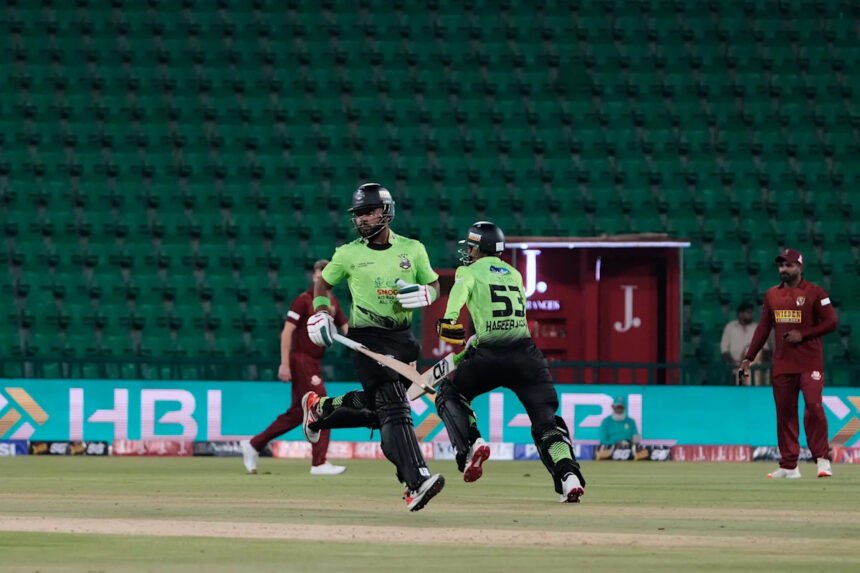
Fakhar Zaman Suspended: A PSL Ball-Tampering Storm That Raises Bigger Questions
The Pakistan Super League (PSL) is no stranger to drama, but rarely does it unfold with such high-stakes, last-over controversy. In a decision that has sent shockwaves through the tournament, Lahore Qalandars’ star opener Fakhar Zaman has been handed a two-match suspension for ball tampering, a verdict he continues to deny. The incident, a bizarre and public moment of collective ball-handling, not only altered the course of a crucial match but has ignited a fierce debate about pressure, protocol, and the integrity of the game in its most pressurized moments.
The Incident: A Bizarre Final-Over Conclave
The scene was set for a classic PSL finish. On Sunday, the Karachi Kings needed 14 runs from the final over to be bowled by Lahore’s Haris Rauf. As Rauf prepared, a tense discussion ensued at the top of his run-up involving captain Shaheen Shah Afridi, Rauf, and Fakhar Zaman. In full view of cameras and umpires, all three players handled the ball during this exchange.
This triggered immediate suspicion. Umpire Faisal Afridi intervened, requested the ball, and upon inspection with his colleague Shahid Saikat, made a monumental decision. They concluded the ball’s condition had been deliberately altered. The consequences were instant and severe:
- Five penalty runs were awarded to Karachi Kings, reducing their target from 14 to 9 off 6 balls.
- The ball was changed.
- The psychological momentum shifted irrevocably.
Karachi’s Abbas Afridi then sealed a stunning four-wicket win with three balls to spare, leaving the Qalandars camp in disbelief and under the shadow of a looming investigation.
The Verdict and the Vehement Denial
The Pakistan Cricket Board’s (PCB) disciplinary process moved swiftly. Match referee Roshan Mahanama, the former Sri Lankan stalwart, found Fakhar Zaman guilty of a Level 3 offense under the PCB’s code of conduct, specifically for “changing the condition of the ball.” Despite Zaman’s denial of wrongdoing, the suspension for two PSL matches—the maximum for a first-time Level 3 breach—was imposed.
This is where the controversy deepens. The visual evidence does not show a player surreptitiously scratching the ball. Instead, it shows multiple players handling it in a tense, public huddle. Expert analysis suggests the umpires likely perceived unnatural interference, perhaps a attempt to rough up one side or apply moisture, during that group handling. Zaman’s suspension, while others in the huddle went unpunished, indicates the match officials identified him as the primary culprit in the alteration.
The key question remains: Was this a premeditated act of tampering, or a catastrophic error in judgment under extreme pressure, where routine ball maintenance crossed an invisible line in the umpires’ eyes? Zaman’s denial suggests the latter, but the strict liability nature of ball-tampering laws often leaves little room for intent.
Expert Analysis: Pressure, Protocol, and Precedent
From a cricketing tactics perspective, the incident reveals a staggering breakdown in game awareness. Engaging in any activity with the ball in such a high-leverage situation, especially with the eyes of the umpires upon you, is a fundamental error. Captains and senior players are drilled to be meticulous in their dealings with the ball to avoid even the hint of suspicion.
“This is less about malice and more about a monumental lapse in cricketing IQ,” a former international player commented under condition of anonymity. “In that pressure cooker, they forgot the most basic protocol: in a tight finish, you treat the ball like a piece of evidence. You don’t pass it around in a group. You let the bowler and captain inspect it cleanly.”
The precedent set is also crucial. The PSL, under the PCB, has shown it will not shy away from punishing big names. This maximum suspension sends a clear, zero-tolerance message to all franchises. However, it also opens the PCB to accusations of inconsistency. Past incidents in various leagues have sometimes resulted in lighter penalties, making Zaman’s two-game ban a significant and potentially disputed benchmark.
Predictions: Ramifications for Zaman and the Qalandars
The immediate consequences are stark. For the Lahore Qalandars, losing a player of Fakhar Zaman’s caliber for two critical games is a severe blow to their playoff hopes. His powerplay explosiveness is irreplaceable, and his absence forces a strategic reshuffle at the top of the order.
For Fakhar Zaman personally, the implications extend beyond the PSL:
- Reputational Damage: Despite his denial, a ball-tampering conviction stains a player’s record. He will face increased scrutiny from umpires in all future cricket.
- National Team Considerations: While a domestic suspension may not directly affect his international status, selectors are mindful of a player’s discipline and ability to handle pressure. This incident, unfortunately, becomes part of his narrative.
- Psychological Impact: How he returns from the suspension will be telling. Will it weigh him down, or will he channel it into a point-proving performance?
We predict a period of intense scrutiny for Zaman upon his return. Every time he handles the ball in the field, cameras will zoom in. His every interaction with the ball will be dissected.
Conclusion: A Cautionary Tale for the Modern Game
The Fakhar Zaman ball-tampering saga is more than a simple breach of rules. It is a cautionary tale for the modern cricketer operating in the high-octane, high-pressure environment of franchise leagues. It underscores that in the age of ultra-HD, multiple camera angles, and heightened vigilance, the margin for error—or perceived error—is virtually zero.
The incident also highlights the need for continuous and clear education from teams and boards to players, especially in tense moments. The split-second decision to gather and handle the ball cost Lahore Qalandars the match, a key player, and a slice of their integrity.
While Fakhar Zaman serves his suspension and maintains his innocence, the broader lesson resonates: in cricket, the ball is sacred. Its treatment must be transparent and beyond reproach, for when its condition is questioned, the consequences extend far beyond five penalty runs—they can tarnish reputations and alter careers. The PSL’s decisive action has drawn a line in the sand, but the debate over this controversial chapter in Pakistan’s premier T20 league is only just beginning.
Source: Based on news from Yahoo Sports.