ECB Introduces Groundbreaking Replacement Rule: A Compassionate Revolution in County Cricket
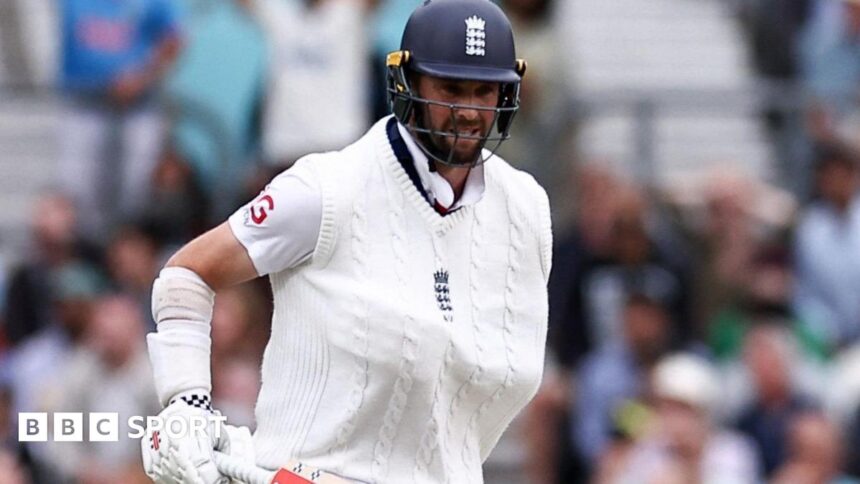
The image of Chris Woakes, wincing in pain but resolutely taking guard against India’s pace attack last summer, became an uncomfortable symbol of cricket’s entrenched rigidity. Playing with a dislocated shoulder sustained days prior, his participation was less a tactical choice and more a stark necessity. This season, that image may become a relic of a bygone era. In a move hailed as both progressive and pragmatic, the England and Wales Cricket Board (ECB) has launched a season-long trial allowing full player replacements in county cricket for injury, illness, and, for the first time, significant life events. This isn’t just a tweak to the regulations; it’s a fundamental shift in the sport’s philosophy, placing player welfare and human considerations on par with competitive integrity.
Beyond the Boundary: Redefining “Availability” in Professional Sport
For decades, cricket’s substitution rules have been an anomaly in professional team sports. While football, rugby, and basketball have long operated with flexible benches, cricket clung to the notion of an immutable XI. A player could be replaced by a substitute fielder, but the impacted discipline—batting or bowling—was lost. The new ECB directive shatters this convention. Now, if a player from the starting XI is ruled out for any of the sanctioned reasons, their county can bring in a fully participating replacement who can bat, bowl, and field. This transforms squad management and strategic planning overnight.
The most revolutionary aspect, however, extends beyond the physio’s room. By including significant life events as a valid cause for replacement, the ECB acknowledges that athletes are human beings first. The policy explicitly covers:
- Attending the birth of a child
- Caring for or attending to a seriously ill family member
- Bereavement and other profound personal circumstances
As Rob Andrew, the ECB’s managing director of the professional game, succinctly stated to BBC Sport: “Most sports have injury replacements.” With this trial, English cricket is finally catching up, and then some, by expanding the definition of what constitutes a legitimate absence from the field of play.
Expert Analysis: The Tactical and Welfare Ripple Effects
This policy change sends seismic waves through the domestic game. From a pure cricketing perspective, it protects the quality and competitiveness of the County Championship. A side losing a strike bowler to a tweaked hamstring on day one no longer faces a three-day uphill battle. They can introduce another bowler, preserving the contest’s balance. This mitigates the “lottery” of injuries that can derail a season’s campaign and ensures fans see a full-strength contest for longer.
From a player welfare standpoint, the benefits are profound. The pressure to take the field while carrying a niggle—or worse, a serious injury like Woakes’—is dramatically reduced. Players can recover properly without the guilt of letting the team down, potentially extending careers and improving long-term health outcomes. Furthermore, the life events clause eliminates an archaic and cruel choice no professional should have to make: missing the birth of your child or abandoning a family crisis for a four-day match in Derby. It fosters a more humane, sustainable culture within dressing rooms.
However, challenges loom. The system will require robust governance to prevent potential misuse. Clear, independent medical certification will be essential for injuries and illness. Defining the threshold for a significant life event will need sensitive but firm handling to maintain the rule’s integrity. There’s also a financial consideration for counties, who must now effectively carry larger, more flexible squads to accommodate such mid-match changes.
Predictions: A Blueprint for the Global Game?
The success of this trial in county cricket could make it a blueprint for the international arena. Imagine its application in a World Test Championship context. A key player suffering a tournament-ending injury in a first-innings collapse could be replaced for the next match, preserving narrative and quality. It would add a fascinating layer of squad strategy, akin to football’s tournament squad rules.
We can also anticipate an evolution in specialist replacement players. Counties may begin to strategically register versatile, multi-format players who can slot in seamlessly as cover. The role of the “squad player” becomes more dynamic and valuable. Furthermore, this could accelerate the conversation around replacing players concussed during a match—a topic already on the ICC’s agenda—providing a ready-made framework for implementation.
The most significant prediction, however, is cultural. If this trial is deemed a success, it will cement the ECB’s reputation as a forward-thinking governing body. It moves cricket away from a stoic, “play-through-the-pain” ethos towards a modern, duty-of-care model. Other nations, particularly those with demanding domestic schedules like Australia and India, will be watching closely.
A Conclusion: More Than Just a Rule Change
The ECB’s replacement rule trial is far more than administrative tweaking. It is a statement of values. By prioritizing the whole person—their physical health and their personal life—alongside the spectacle of the sport, English cricket is stepping into the 21st century. It addresses the unsustainable physical demands on players and aligns the sport with broader societal expectations around family and wellbeing.
The sight of Chris Woakes batting with one arm may have been celebrated as brave, but it was ultimately a failure of the system. This season, that system is being rewritten. While logistical hurdles will need navigating, the direction of travel is clear: a more compassionate, competitive, and sustainable future for the county game. This trial isn’t just about finding a replacement player; it’s about reaffirming the value of the players themselves. The reverberations of this decision will be felt far beyond the boundary ropes, potentially changing the fabric of professional cricket for generations to come.
Source: Based on news from BBC Sport.