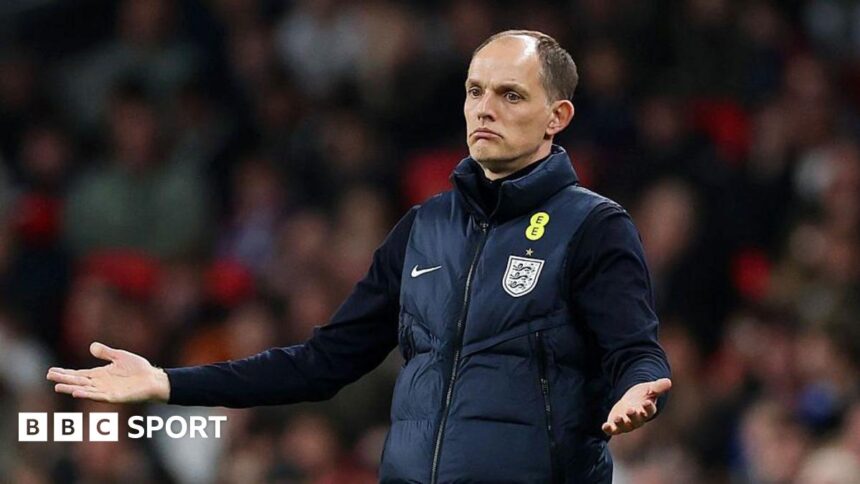
Tuchel’s Top-20 Conundrum: A Cause for Concern or World Cup Calibration?
The final whistle at Wembley did not just signal a 1-0 defeat; it echoed with a familiar, nagging question. As Japan, ranked 18th in the world, celebrated a historic victory, England’s players trudged off, ending the March international break without a win. Under the meticulous guidance of Thomas Tuchel, the Three Lions have been a model of ruthless efficiency, breezing through World Cup qualification with eight wins, zero goals conceded, and an aura of invincibility. Yet, that aura fractures against elevated opposition. The stark statistic now looms large: England have not beaten a nation ranked in the top 20 under Tuchel. With the World Cup horizon drawing near, is this a troubling pattern or merely a strategic calibration?
The Unblemished Record and the Glaring Caveat
First, context is crucial. Tuchel’s tenure began with a mandate to restore defensive solidity and a clear identity—objectives he has overwhelmingly met. The qualification campaign was a masterclass in dispatching lesser teams with cold, systematic precision. The midfield control was absolute, the defensive line impenetrable. This built immense confidence and ingrained Tuchel’s complex tactical schemes. However, the Three Lions’ struggle against elite nations exists as the glaring caveat to this domestic dominance.
The recent sequence is telling:
- Vs. #5 France (Away): A disciplined but ultimately toothless 0-0 draw, showcasing defensive organization but a lack of cutting edge.
- Vs. #12 Germany (Home): A thrilling yet concerning 2-2 draw, where England surrendered a two-goal lead, revealing vulnerabilities under sustained pressure.
- Vs. #18 Japan (Home): A jarring 1-0 loss, characterized by tactical rigidity, sluggish possession, and a failure to adapt to Japan’s energetic press.
This isn’t a blip; it’s a trend. Against teams that cede possession and territory, England’s machinery purrs. Against organized, high-pressing, technically proficient sides in the top 20, the gears seem to grind.
Diagnosing the Elite-Level Stagnation
So, why does the system stutter when the level rises? Expert analysis points to a confluence of tactical and psychological factors.
Tactical Rigidity vs. Adaptive Game Management: Tuchel is a philosopher of fixed patterns of play. While this creates consistency, it can lead to predictability. Against Japan, England’s insistence on building from the back through a double pivot was persistently disrupted. The lack of a Plan B—a direct option or a tactical shift—was stark. Elite teams study and exploit such rigidity. The question is whether Tuchel’s unwavering belief in his system will be its greatest strength or a fatal flaw in knockout football, where in-game adaptability is paramount.
The Midfield Conundrum: Qualification masked a lingering issue: control against equals. The partnership of Declan Rice and a more creative midfielder (often Mason Mount) works against teams that sit back. Against France, Germany, and Japan, England’s midfield was often overrun or bypassed, breaking the crucial link between defense and attack. The absence of a true, world-class progressive ball-winner or a physical prescence in the engine room becomes glaring at this level.
Psychological Hurdle or Building Process? Is there a mental block? The “weight of the shirt” narrative is perennial, but under Tuchel, a new layer exists. The squad is drilled to execute, not necessarily to improvise. When the pre-set patterns are neutralized, a palpable anxiety sets in, leading to safe, sideways passes and a loss of offensive verve. This isn’t a lack of talent, but perhaps a lack of the freedom to express it within a very structured framework against top sides.
The World Cup Forecast: Calibration or Crisis?
With months until the global tournament, predicting the impact of this trend requires a balanced view. The alarmists have valid ammunition: the World Cup knockout stages are a gauntlet of top-20 nations. A failure to solve this puzzle means an early exit, regardless of how flawlessly England navigates their group.
However, the optimists—and likely Tuchel himself—see this as a necessary, if painful, phase of the build-up. These matches are diagnostic tools, far more valuable than a 5-0 win over a minnow. They have exposed specific, addressable flaws:
- The need for a more dynamic midfield balance, potentially integrating a player like Jude Bellingham as a permanent starter for his drive and ball-carrying.
- The requirement for attacking width and unpredictability to break down organized defenses, moving beyond reliance on Harry Kane dropping deep.
- The critical importance of developing in-game tactical flexibility from the bench and the manager’s touchline.
Tuchel is a renowned tactician and a perfectionist. He will have dissected these failures with forensic detail. The concern is whether there is enough time to implement significant systemic changes before the World Cup begins, or if the team’s identity is now too set in stone.
Verdict: Concern, Yes. Panic, Not Yet.
The conclusion is nuanced. Should Tuchel be concerned? Absolutely. The record against top-20 teams is an undeniable red flag that cannot be dismissed. It points to fundamental challenges in his system when faced with equal or superior athleticism and tactical intelligence. To ignore it would be managerial malpractice.
Yet, this is not yet a crisis. The foundation Tuchel has built—defensive discipline, collective understanding, qualifying dominance—is rock solid. World Cups are not won in March friendlies or Nations League games; they are won in intense, short bursts in November and December. Tuchel has time, and he has a squad brimming with individual talent.
The ultimate test of his elite management will be his response. Does he double down on his philosophy, trusting it will eventually crack the code? Or does he demonstrate the pragmatic flexibility he was known for at club level, tweaking his approach to grant his brilliant attackers more license and solving the midfield puzzle? The Japan defeat was a wake-up call, not a death knell. It has framed the entire narrative of England’s World Cup preparation. How Tuchel answers this top-20 conundrum will define not just his legacy, but England’s fate in Qatar. The qualification was perfect. But the real exam, as we now know beyond doubt, is only just beginning.
Source: Based on news from BBC Sport.