Judge Grants Tiger Woods Permission for Overseas Treatment Amid DUI Case
In a development that underscores the complex intersection of celebrity, health, and the law, a Florida judge has granted golf icon Tiger Woods permission to leave the United States to seek intensive medical treatment abroad. This ruling comes in the wake of Woods’s recent arrest on suspicion of driving under the influence, a case that has cast a stark new light on the 50-year-old champion’s private struggles. The decision, approved by Martin County Court Judge Darren Steele, is not a simple legal formality but a revealing window into the severe challenges Woods faces—challenges his legal team argues cannot be treated effectively on American soil due to the unrelenting glare of the public spotlight.
The Legal Motion: A Plea for Privacy and Specialized Care
The formal request, submitted by Woods’s attorney, Douglas Duncan, was far from a standard legal document. It was a stark medical and personal appeal framed in urgent language. Duncan’s motion outlined the necessity for Woods to attend a “comprehensive inpatient treatment” program overseas, describing it as an “intensive, highly individualized and medically integrated program.” The core of the argument hinged on two critical points: the sophistication of the required care and the absolute need for privacy.
According to the filing, Woods’s own physician recommended the specific foreign facility because of the “Defendant’s complex clinical presentation.” This phrase suggests a multifaceted health issue beyond a single diagnosis, potentially intertwining physical pain management with psychological or dependency-related components. More strikingly, the motion asserted that an equivalent level of care “cannot safely or effectively be done within the United States” due to repeated breaches of Woods’s privacy. The document stated plainly that “ongoing medical scrutiny and public exposure create significant barriers to his care,” leading to potential setbacks and an inability to fully engage in therapy.
Judge Steele’s approval, granted after a teleconference, acknowledges these exceptional circumstances. It legally permits Woods to travel while his DUI case remains pending, signaling the court’s recognition of health as a paramount concern. This legal step is highly unusual for a DUI defendant, highlighting the unique pressures of Woods’s global celebrity status.
Beyond the Headlines: The Unbearable Weight of the Spotlight
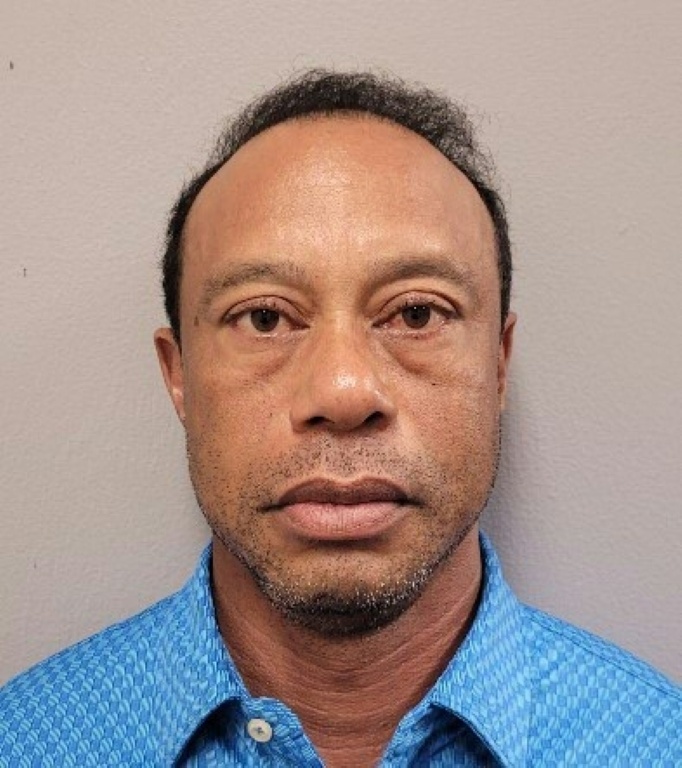
To understand the gravity of this request, one must look past the mugshot and the police report. Tiger Woods has lived his life under a microscope since childhood. His every swing, victory, injury, and personal failing has been dissected in real-time by a 24/7 media ecosystem. For an individual seeking treatment for any sensitive health condition, this environment is antithetical to recovery.
Privacy is not a luxury in intensive treatment; it is a clinical prerequisite. The ability to be vulnerable, to confront difficult truths, and to focus entirely on healing requires a sanctuary free from external judgment and exposure. The motion argues convincingly that no such sanctuary exists for Woods in America. Paparazzi, drone cameras, and insider leaks have consistently compromised his medical privacy in the past, turning recovery into a public spectacle.
This case raises profound questions about the cost of fame in the modern era. For Woods, the “barriers to his care” are not just medical but are constructed from the very public adoration and scrutiny that fueled his legendary career. The judge’s decision implicitly accepts that Tiger Woods cannot receive fair and effective medical treatment as a citizen when his celebrity persona overshadows his human needs.
Expert Analysis: What This Reveals About Recovery and Legacy
From a medical and psychological standpoint, the details in the motion are telling. The pursuit of an overseas facility suggests a program designed for the most complex cases, often involving co-occurring disorders. For an athlete like Woods, whose body has endured countless surgeries and chronic pain, the interplay between physical agony and any potential reliance on medication is a treacherous landscape to navigate.
“The term ‘complex clinical presentation’ is key here,” says a sports psychologist familiar with the pressures on elite athletes, who spoke on condition of anonymity. “It indicates that his treatment team is looking at the whole person—the physical trauma from his career, the psychological impact of his very public falls from grace, the pressure of his legacy, and the behaviors that may have developed as a coping mechanism. Treating one without the others is often ineffective. This overseas trip is likely a last-resort effort to create a holistic reset in an environment where he can finally just be a patient.”
From a legal perspective, this move is also strategically sound. By proactively and transparently seeking court-approved treatment, Woods and his counsel are demonstrating a serious commitment to addressing the root issues that led to his arrest. This can positively influence judicial perception and potential sentencing outcomes, framing the incident not as a simple crime but as a symptom of a deeper health crisis he is actively working to resolve.
Predictions and Implications for Golf’s Greatest Icon
The immediate future for Tiger Woods is now clearly defined by this overseas treatment program. The implications are vast, touching on his career, his legal case, and his personal well-being.
- Career Trajectory: Any competitive return to professional golf is now a distant secondary concern. This intensive intervention suggests a recovery timeline measured in months, not weeks. The focus is unequivocally on long-term health, not tournament readiness.
- Legal Proceedings: The DUI case will likely be put on a slower track, pending reports on his treatment progress. A successful and documented rehabilitation could lead to a more favorable disposition, such as diversion programs or reduced charges, emphasizing treatment over punishment.
- Public Narrative: This move has the potential to shift the public narrative from one of scandal to one of a human struggle. By framing his need for extreme privacy as a medical necessity, it may garner a degree of public empathy and understanding that has been absent in past controversies.
- Legacy: Ultimately, this chapter will become a significant part of the Tiger Woods story. How he navigates this profound personal challenge may define his post-competitive legacy as much as his 15 major championships. It is a battle far removed from the fairways, but perhaps his most important one.
Conclusion: A Necessary Journey for Peace and Health
The image of Tiger Woods traveling overseas for treatment, sanctioned by a court of law, is a powerful and somber metaphor. It represents a literal and figurative distance he must create to save himself. He is not fleeing accountability, but rather seeking the only environment where true healing seems possible—an environment shielded from the very world he once dominated.
This decision is a stark reminder that even the most seemingly invincible icons are human, vulnerable to pain and in need of sanctuary. The judge’s ruling is more than a legal allowance; it is an acknowledgment that for Tiger Woods, recovery requires geographic and psychological space that America can no longer provide. His journey now is not toward a green jacket, but toward a fragile and private goal: the chance to heal in peace, and to finally confront his complex battles away from the crushing weight of the spotlight. The world will await his return, but this time, the hope is not for a golf shot, but for a man’s renewed health and a hard-won sense of peace.
Source: Based on news from Yahoo Sports.