Who Really Uses Academy Players in the Premier League? The Truth Behind the Talent
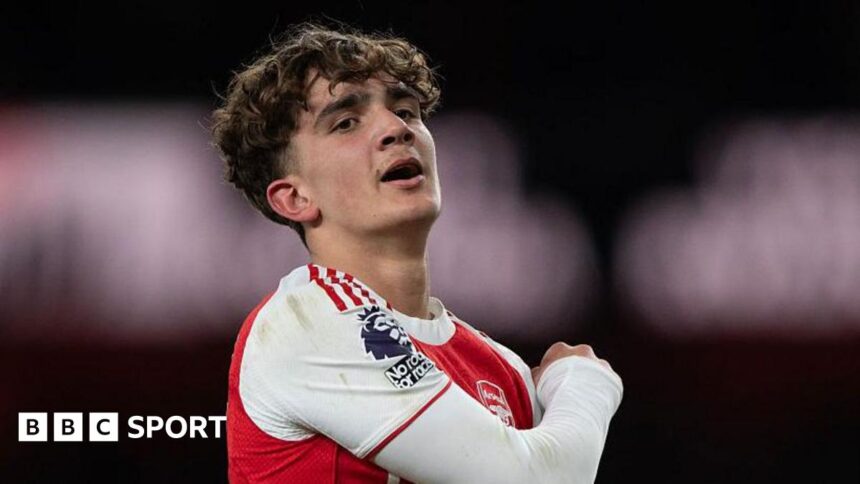
The roar that engulfed the Emirates Stadium in May wasn’t just for a goal. It was for a prophecy fulfilled. When 17-year-old Max Dowman, an Arsenal academy graduate, calmly slotted home against Everton, he did more than secure three vital points. He shattered a 21-year-old Premier League record, becoming the competition’s youngest ever goalscorer, and in doing so, he gave tangible form to a club’s deepest ideal: the local boy made good, shining on the grandest stage. In an era of global scouting networks and nine-figure transfers, Dowman’s moment posed a piercing question: in the cutthroat world of the Premier League, who truly commits to their academy pipeline, and does it even matter in the pursuit of glory?
The Academy Conundrum: Passion Project or Performance Necessity?
On the surface, promoting youth is football’s ultimate feel-good story. It fosters identity, rewards loyalty, and offers a potent narrative for fans. But the Premier League’s financial might has created a paradox. The pressure for immediate results is immense, often making a proven, expensive import a safer bet than a promising teenager. The pathway from academy starlet to first-team regular is narrower than ever, littered with tales of “next big things” who never quite made the leap.
Former Everton striker James Vaughan, whose record Dowman broke, understands the sacrifice intimately. “I went through it myself,” Vaughan told BBC Sport. “You miss out on what other lads your age are doing – going out, going to parties. You’re going to bed early.” This stark reality highlights the immense personal investment required, from both the player and the club. For every Dowman, there are dozens who navigate this grueling path without the fairy-tale ending.
The Premier League’s Academy Power Rankings: A Data-Driven Look
So, which clubs walk the walk? Analysis of minutes given to club-trained players (those at the club for three years between ages 15-21) reveals a clear hierarchy, often diverging from popular perception.
- Brighton & Hove Albion: The Seagulls are the undisputed leaders. Their model is the envy of the league, seamlessly integrating academy products like Evan Ferguson and Jack Hinshelwood with shrewd signings, all underpinned by a clear tactical philosophy.
- Manchester United: Despite recent turbulence, the “United Way” of youth development remains ingrained. Alejandro Garnacho, Kobbie Mainoo, and Marcus Rashford ensure a strong home-grown core, a non-negotiable part of the club’s identity.
- Arsenal: Dowman’s breakthrough is the tip of the spear. Mikel Arteta has steadily reintegrated the academy, with Bukayo Saka and Emile Smith Rowe as pillars, supplemented by Eddie Nketiah and now Dowman. It’s a strategic blend of youth and experience.
- Chelsea: The Blues’ prolific academy has long been a paradox—producing exceptional talent often sold for profit. Recently, however, there’s a shift, with Levi Colwill, Conor Gallagher, and Reece James becoming central figures, suggesting a new performance-driven approach.
Conversely, the data shows clubs like Newcastle United, Tottenham Hotspur, and the newly-promoted sides often languish at the bottom of these tables, their models more heavily reliant on the transfer market to achieve rapid growth or survival.
Beyond Sentiment: The Tangible Benefits of Academy Reliance
Does it matter? The answer is a resounding yes, but not merely for sentimental reasons. The strategic advantages are multifaceted and significant in modern football.
Financial Fair Play (FFP) Salvation: In the FFP era, academy graduates are pure gold. Their transfer fees represent 100% profit on the books. The sales of Mason Mount, Phil Foden (were he ever to be sold), or even a future Dowman sale fund major transfers, offering crucial financial flexibility.
Squad Cohesion and Cultural Carriers: Home-grown players are more than athletes; they are cultural translators. They understand the club’s ethos, the fans’ expectations, and the weight of the badge instinctively. They help integrate new signings and maintain a squad’s hunger and identity through managerial changes.
Tactical Fluidity and Long-Term Planning: Players raised in a club’s system from a young age are ingrained in its tactical methodology. This allows for smoother implementation of a manager’s style and creates a sustainable pipeline, reducing panic buys and enabling long-term sporting projects.
The Future of Youth Development: Predictions for the Next Decade
The trajectory is clear. The economic and sporting logic of academy development is becoming too powerful to ignore. We predict several key trends will define the next decade.
First, the “Brighton Model” will be widely emulated. Clubs outside the traditional “Big Six” will invest heavily in scouting and coaching to become talent factories, selling one star to fund the next cycle while remaining competitive.
Second, we will see a rise in strategic loan partnerships becoming more sophisticated, with clubs using feeder relationships to give prospects high-level minutes before integrating them, much like Chelsea with Strasbourg.
Finally, the definition of “success” for an academy will broaden. It will no longer be solely about producing a starting XI player. It will be measured by its contribution to the first-team squad depth, its profitability in the transfer market, and its role in sustaining the club’s cultural heartbeat.
Conclusion: The Soul of the Game in a Modern Body
Max Dowman’s record-breaking goal was more than a historical footnote. It was a powerful reminder that in football’s hyper-commercialized ecosystem, the academy graduate remains the most valuable currency—both on the balance sheet and in the stands. While not every club can or will top the minutes-for-youth charts, the most sustainable, resilient, and ultimately connected clubs are those who weave academy talent into their very fabric.
The question is not whether to use academy players, but how to build a system where they can truly thrive. It matters not just for nostalgia, but for future-proofing. It is the difference between a club that simply buys a team and one that builds a legacy. In the relentless pursuit of points and trophies, the home-grown hero, from Saka to Mainoo to Dowman, remains football’s ultimate competitive edge—and its enduring soul.
Source: Based on news from BBC Sport.