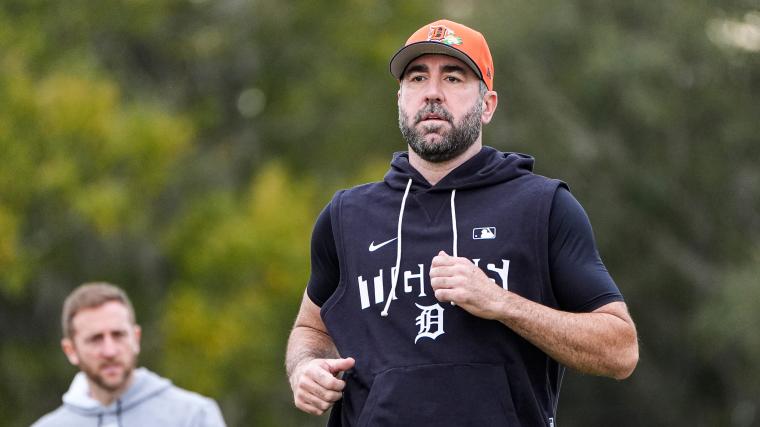
Detroit Tigers’ Reunion Stalled: Justin Verlander Placed on 15-Day IL with Hip Injury
The storybook return of a franchise icon has hit its first, and perhaps most predictable, roadblock. The Detroit Tigers announced Saturday that future Hall of Fame pitcher Justin Verlander has been placed on the 15-day injured list due to left hip inflammation. This development casts a pall over what was meant to be a celebratory weekend and forces a sobering reassessment of the Tigers’ 2024 aspirations, which were buoyed by the veteran’s high-profile homecoming.
A Dream Deferred: The Comerica Park Return Put on Hold
The timing of this injury is particularly cruel for both the player and the fanbase. After a tumultuous season debut in Arizona where he was tagged for five runs, all eyes were on Sunday night. Verlander was scheduled to take the mound at Comerica Park for the first time since 2017, a moment dripping with nostalgia and hope. The image of the 43-year-old ace, back in the Old English D, under the lights in Detroit was the emotional cornerstone of the early season.
Now, that moment is postponed. Instead of a roar of approval, there is a collective groan of concern. The hip inflammation raises immediate questions about mechanics and longevity. For a pitcher whose success is built upon a powerful, coordinated delivery that generates elite velocity and devastating breaking balls, even minor physical disruptions can have major consequences. His struggles in Arizona, previously chalked up to early-season rust, must now be re-examined through the lens of this underlying physical issue.
Expert Analysis: Navigating the Pitfalls of a Veteran Ace
From a roster construction and performance perspective, this IL stint is a multifaceted challenge for the Tigers. Verlander is not just any pitcher; he is a future Hall of Famer with a meticulously managed workload, especially in recent years. The team’s investment in him was a calculated gamble—a short-term, high-dollar bet that his elite pedigree could accelerate the team’s competitive timeline and mentor a young pitching staff.
This injury exposes the fragility of that plan. The Tigers’ medical and coaching staff now face a delicate balancing act:
- Prioritizing Long-Term Health: Rushing a 43-year-old with hip inflammation is a recipe for a cascade of compensatory injuries. A cautious, comprehensive rehab is non-negotiable.
- Managing the Workload: Even upon return, Verlander’s innings and pitch counts will be under a microscope. The goal is to have him effective and available for a potential pennant race, not burned out by July.
- Filling the Void: The immediate baseball problem is replacing his presence in the rotation. This puts pressure on other starters and tests the team’s pitching depth early in the season.
The Tigers’ 3-4 start, while not catastrophic, underscores how thin their margin for error might be. Losing their marquee offseason acquisition, even for a minimum of two weeks, is a significant blow to both performance and morale.
Predictions and Ripple Effects for the Tigers’ Season
Where do the Tigers go from here? The immediate future hinges on two key factors: the severity of Verlander’s inflammation and the performance of his replacement.
First, the prognosis. While the team has labeled it inflammation, the baseball world will be watching closely for updates on any structural issues. A best-case scenario is a brief IL stint and a return in late April. A more concerning outcome could involve a lengthier absence or a recurring issue that requires careful management all season.
Second, the rotation’s response. This is an opportunity for a younger pitcher to step up, but it also increases the burden on the rest of the staff, including Tarik Skubal, Kenta Maeda, and Jack Flaherty. The Tigers’ early-season schedule now becomes more daunting.
Key predictions for the coming weeks include:
- A conservative rehab timeline for Verlander, with a return likely closer to 3-4 weeks than the minimum 15 days.
- Increased offensive pressure on a Tigers lineup that has shown flashes but lacks consistency to carry the team through a pitching slump.
- A crucial test for Manager A.J. Hinch’s ability to manage a bullpen that may be asked to cover more innings.
The narrative of the Tigers’ season has abruptly shifted. It is no longer about the magic of Verlander’s return, but about the resilience and depth of the overall roster in his absence.
A Sobering Reality Check in the Motor City
The placing of Justin Verlander on the injured list is more than a simple roster move; it is a stark reminder of the unforgiving nature of professional sports, particularly for athletes defying age. The fairy tale was always contingent on the fragile health of a pitcher in his mid-40s. That reality has arrived sooner than anyone in Detroit hoped.
This injury does not nullify the value of Verlander’s signing. His influence in the clubhouse and as a standard-bearer for excellence remains. However, it dramatically alters the practical expectations for 2024. The Tigers’ path to contention was always a steep climb, and it just got steeper. The team’s ability to weather this early storm, to stay around .500 without their ace, will define their season as much as any start Verlander makes upon his return.
The hope now is for a swift and complete recovery. The dream of a victorious Verlander pitching deep into games at Comerica Park this season is not dead, but it is deferred. For the Detroit Tigers, the mission is clear: survive the present, so the future—the one they envisioned with a healthy and effective Justin Verlander—can still be within reach.
Source: Based on news from Yahoo Sports.