Deontay Wilder Edges Derek Chisora in Thrilling Split Decision to Close a Chapter
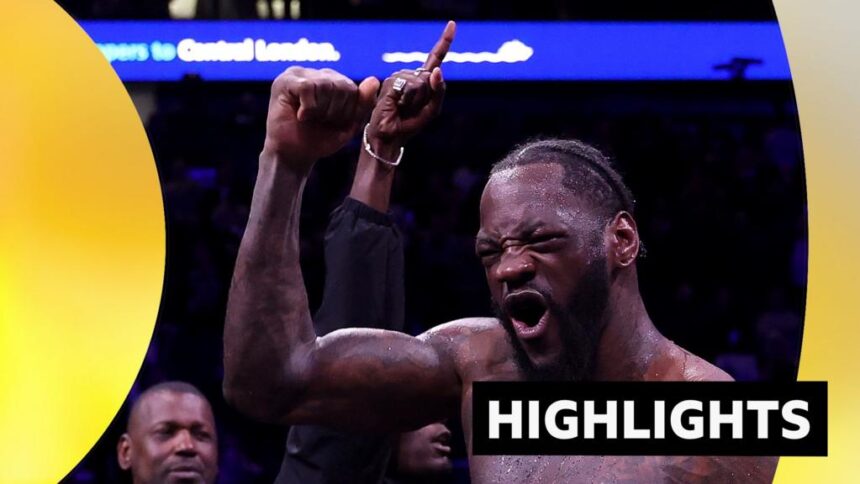
The heavyweight division, in all its brutal and beautiful chaos, delivered another unforgettable night. In a bout that crackled with the tension of a final act, Deontay Wilder narrowly defeated a ferocious Derek Chisora by split decision, in what is widely anticipated to be the beloved Brit’s farewell to the ring. The judges’ scorecards, reading 115-113, 113-115, and 116-112 for Wilder, tell only a fraction of the story of a dramatic, punishing contest that left fans breathless and the boxing world buzzing.
A War of Contrasting Styles and Wills
From the opening bell, the tactical narrative was clear. Wilder, the Alabama slammer with a right hand registered as a lethal weapon, fought with uncharacteristic caution. He circled, flicked his jab, and measured for the one fight-ending bomb that has defined his career. Opposite him, Chisora executed the only game plan that could work for him: relentless, smothering pressure. He marched forward behind a high guard, digging thudding body shots and looking to turn the fight into a grueling, close-quarter scrap.
The middle rounds saw Chisora have his moments of triumph. He successfully trapped Wilder against the ropes on multiple occasions, unleashing flurries of hooks that tested Wilder’s chin and resolve. The crowd roared as “Del Boy” seemed to be outworking the American, making the fight ugly and personal. However, Wilder’s moments, though less frequent, were seismic. A straight right in the fifth snapped Chisora’s head back violently. A well-timed uppercut in the eighth momentarily halted the Brit’s forward march. These were stark reminders of the ever-present knockout power that kept the fight on a knife-edge.
The Decisive Factors: Power vs. Volume in a Split-Decision Puzzle
Dissecting a split decision requires looking at what each judge prioritizes. For the two who scored it for Wilder, the key factors were likely:
- Cleaner, More Impactful Punching: While Chisora may have thrown more, Wilder’s shots visibly did more damage and snapped Chisora’s head back consistently.
- Ring Generalship: Wilder’s movement, despite the pressure, allowed him to control large portions of the fight’s geography when he was able to stay off the ropes.
- The Knockdown Threat: Every Wilder right hand carried fight-ending consequence, a tangible factor that arguably steals close rounds.
For the judge who saw it for Chisora, the rationale hinges on different criteria:
- Effective Aggression and Pressure: Chisora was the undeniable aggressor, forcing the fight and dictating the pace for long stretches.
- Work Rate and Body Attack: His consistent output and investment to Wilder’s midsection could be seen as cumulative, effective scoring work.
- Ring Control: He successfully implemented his game plan and made Wilder fight the type of battle he least wanted.
Ultimately, the narrow margin reflects a clash of scoring philosophies, a fittingly contentious end to such a fiercely contested battle.
What’s Next for the Victor and a Fond Farewell
For Deontay Wilder, this win, however narrow, is a vital reset. After two devastating losses to Tyson Fury, questions swirled about his desire and adaptability. While not his most dominant performance, it showed a more measured, patient Wilder who can win rounds without solely relying on the homerun punch. The heavyweight landscape is wide open. A potential showdown with former unified champion Andy Ruiz Jr. has been mooted and would be a massive PPV event. A fight with the winner of the upcoming Joshua-Fury saga, should it ever happen, remains the ultimate goal. This victory keeps him firmly in that elite conversation.
For Derek Chisora, this appears to be the end. He left everything in the ring, as he always has. For over a decade, “War” Chisora has been the division’s heart, soul, and most entertaining gatekeeper. From world title shots to brutal wars with the best, his career is a testament to sheer will and durability. To go the distance in a thrilling battle with a puncher like Wilder in his final outing is a testament to his incredible toughness. The boxing world will miss his unique brand of chaos, but he exits on his shield, with his legacy as a true fan favorite and a warrior’s warrior secure.
Predictions for the Heavyweight Horizon
This result sends interesting ripples through the division. Wilder’s win sets up a fascinating second tier of contenders below the very top. Look for the following developments:
- Wilder vs. Ruiz Jr. becomes the frontrunner for a late 2023 or early 2024 showdown, a classic boxer-puncher vs. high-volume aggressor matchup.
- The pressure mounts on Anthony Joshua and Tyson Fury to finally settle their long-running saga; the division needs a clear king to attract challenges from Wilder and others.
- With Chisora likely retiring, the role of the elite-level test for up-and-coming heavyweights is now vacant. Who steps into that lucrative, punishing role?
- Wilder’s performance suggests he may be evolving, but questions about his stamina and adaptability against elite pressure will persist until he faces another top-five opponent.
In the end, the Wilder-Chisora bout was more than just a fight; it was a narrative-rich event that delivered drama, heart, and a poignant conclusion. Deontay Wilder reclaimed his path toward the summit, while Derek Chisora earned a hero’s exit. The split decision was a perfect metaphor for the contest itself—fiercely debated, incredibly close, and a testament to the brutal honesty of the heavyweight division. One man moves forward, the other takes a bow, and the fans are left with another indelible memory from the sport’s most unpredictable weight class.
Source: Based on news from BBC Sport.