Dallas Stars Issue Lifetime Ban After Viral Nazi Salute Video Investigation
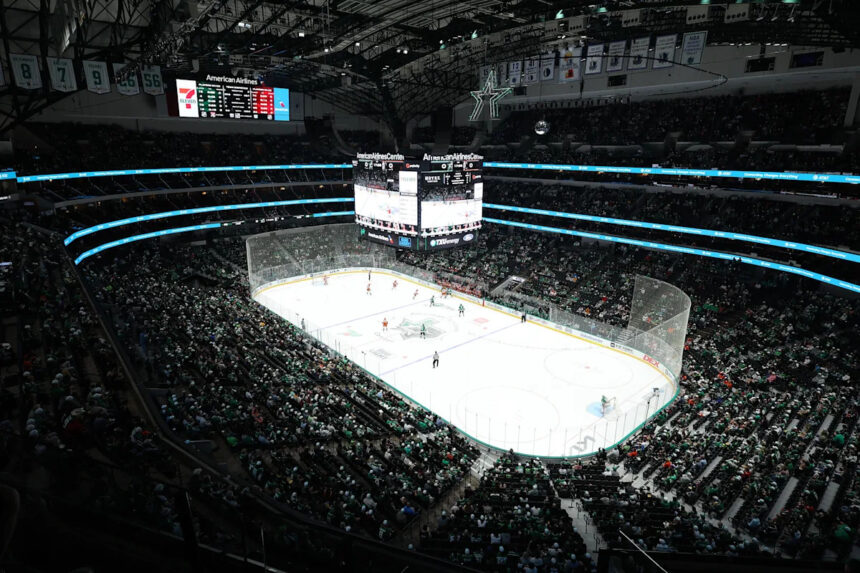
The Dallas Stars have taken decisive action following a disturbing incident that marred the fan experience at American Airlines Center. The NHL franchise has issued a lifetime ban to a fan identified as the ticket purchaser for a group seen in a viral video performing an alleged Nazi salute during a game in December. This move underscores the high-stakes battle sports organizations face in maintaining inclusive environments while confronting hateful behavior in crowded, public venues.
A Viral Video Forces a Delayed Reckoning
The incident, which occurred during a December game, did not gain widespread attention until a video surfaced on social media platforms last week. Originally posted on Reddit before spreading to X (formerly Twitter), the clip showed a group of men appearing to extend their arms in a straight-armed salute—a gesture inextricably linked to the Nazi regime—following a Stars goal. This stood in stark contrast to the typical fist-pump celebration common among the team’s faithful.
The fan who captured the video reported the group via the arena’s fan misbehavior hotline in real-time but observed no immediate intervention. The delayed public outcry highlights both the power and the challenge of social media in holding institutions accountable. While the arena’s security may not have witnessed the act initially, the viral nature of the video forced a public investigation. The Stars, in alignment with American Airlines Center management, launched a probe last Friday, leading to this week’s significant disciplinary action.
The Limits of Investigation and the “Code of Conduct” Challenge
In their statement, the Dallas Stars revealed a critical limitation in their response: while they identified and banned the individual who purchased the tickets for the group, they could not definitively identify the other individuals in the video. This admission points to the practical difficulties of policing behavior in an arena of nearly 20,000 fans. Without identifiable features or a way to trace anonymous attendees, comprehensive accountability remains a complex challenge.
In response, the organization announced it is increasing in-arena messaging to promote its Fan Code of Conduct. This is a reactive measure many leagues and teams are now emphasizing. The NHL, like its peers, operates under a dual system of enforcement:
- Team-Specific Codes of Conduct: Outlining expected behavior for entry and participation in the fan experience.
- League-Wide Fan Code of Conduct: A broader NHL policy emphasizing respect, inclusion, safety, and empowerment for all guests.
“Zero tolerance for any acts of hate and/or discrimination,” the statement from American Airlines Center read—a sentiment the Stars explicitly endorsed. Yet, the gap between policy pronouncement and on-the-ground enforcement is where the real battle is fought.
Expert Analysis: The High-Stakes Calculus of Fan Behavior
From a sports management perspective, this incident is a textbook case in crisis response. The Stars’ actions—a swift investigation followed by a permanent ban—are the necessary minimum in today’s climate. Sports sociologists note that arenas are microcosms of society, and the performative nature of fandom can sometimes devolve into acts of hate disguised as rowdy celebration or misguided provocation.
“The gesture in question is not ambiguous in a historical context,” notes Dr. Alicia Martinez, a professor of sports culture. “By banning the ticket holder, the Stars are employing a common and powerful deterrent: revoking the privilege of access. It sends a message that buying a ticket does not buy you the right to create a hostile environment. However, the inability to identify the others involved also sends a message that anonymity can still be a shield. The enhanced messaging is good, but proactive training for event staff to recognize and confidently confront such behavior is equally critical.”
The incident also touches on the unique culture of hockey. The sport has faced public reckonings in recent years over issues of inclusion and discrimination, making a firm, public response from a flagship franchise like the Stars not just a local issue, but a league-wide statement.
Predictions: The Future of Fan Policing in Live Sports
This event is not an isolated one, and it points to several evolving trends in live sports management:
- Increased Reliance on Fan Reporting: Teams will continue to promote hotlines and text services, effectively deputizing the conscientious majority to report violations. The challenge will be improving real-time response rates.
- Investment in Surveillance and AI Monitoring: While controversial, the future may see arenas employ more sophisticated video analytics to flag unusual crowd behavior, though this raises significant privacy concerns.
- Standardization of Penalties: We may see the NHL move toward a more unified, publicized ban list or standardized penalties for hate speech and gestures, similar to measures in European soccer.
- Cultural Education as Prevention: Teams might integrate brief, hard-hitting messages about the history and impact of hate symbols into game presentation, framing inclusion as a core part of team identity.
The Dallas Stars investigation sets a precedent, but the lingering question is whether reactive bans and increased signage are enough to effect cultural change. The prediction here is that pressure will grow for more proactive, technological, and trained human solutions, making security and guest relations staff the first line of defense in preserving fan experience.
Conclusion: More Than a Game, It’s About Community
The Dallas Stars’ lifetime ban is a strong and necessary step. It draws a clear line in the sand, affirming that symbols of hate have no place in a community built around sport and entertainment. However, the incident reveals the persistent vulnerability of public spaces to such acts and the limitations of post-hoc investigations.
Ultimately, the health of a sports franchise is measured not just in wins and losses, but in the safety and welcome felt by every fan in the arena. The true test for the Stars and the NHL will be whether this incident becomes a catalyst for more innovative, proactive measures that prevent hateful behavior before it happens. By strengthening their code of conduct enforcement and empowering staff and fans alike, teams can ensure the focus remains on the ice—where it belongs—and not on the abhorrent actions of a few. The message must be permanent and unwavering: your seat is a privilege, not a platform for hate.
Source: Based on news from Yahoo Sports.