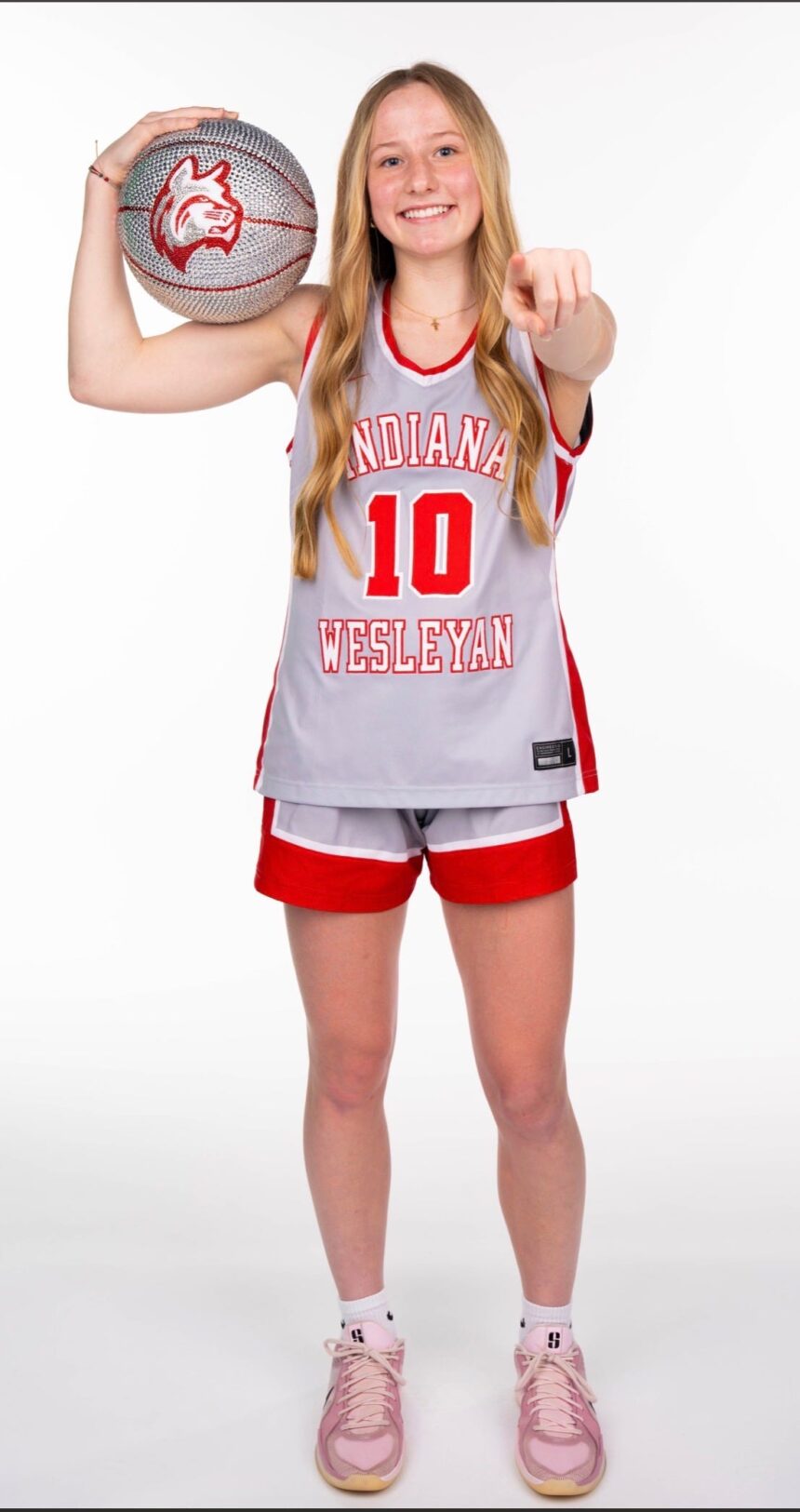
Joslyn Bricker’s Commitment Flip: A Star Prospect Chooses Culture Over Division I Pedigree
In the high-stakes world of high school basketball recruiting, the narrative is almost always one-directional: a player climbs the ladder, aiming for the highest level of competition possible. The move from NAIA to NCAA Division I is celebrated; the reverse is often met with quiet confusion. But Joslyn Bricker, one of Indiana’s most coveted 2026 prospects, has just rewritten that script. In a decision that reverberates beyond the state’s borders, the Warsaw Community High School standout has decommitted from Big East program Butler University and pledged to play for NAIA powerhouse Indiana Wesleyan University. This isn’t a story of a dream dashed, but of a player making a profound, values-driven choice about the very nature of her college experience.
The Decision: Prioritizing People Over Prestige
On the surface, the timing of Bricker’s announcement is conspicuous. It came just one day after Butler parted ways with women’s basketball coach Austin Parkinson. Yet, Bricker was emphatic in telling IndyStar that the coaching change was not a factor. Her decision, she revealed, was finalized over two weeks prior. The true catalyst was a fundamental shift in what she witnessed at her future school.
“Two-and-a-half weeks ago, we started noticing some of the Butler players were entering the transfer portal and honestly, the ones leaving were the ones I was really looking forward to playing with,” Bricker said. This observation struck at the heart of her motivations. For Bricker, the appeal of Butler was deeply intertwined with the specific people in the program—the teammates she envisioned building bonds with over four years. As those players entered the portal, the future she had imagined began to dissolve.
Her perspective crystallized after a conversation with one of those departing players. Bricker realized the transient, year-to-year reality of modern Division I rosters, fueled by the transfer portal’s churn, was incompatible with her core desire: to forge unshakable, lifelong relationships with her team. With over 1,000 players already in the portal this cycle, her concern is a microcosm of a national phenomenon.
Expert Analysis: The Portal’s Ripple Effect on Recruiting
Bricker’s choice is a landmark case study in how the transfer portal is reshaping not just college rosters, but also the calculus of elite high school recruits. The promise of “stability” and “program culture,” long-time recruiting buzzwords, now faces a direct challenge.
“Joslyn Bricker’s decision is a canary in the coal mine for high-major programs,” says Dr. Elena Rodriguez, a sports sociologist who studies athlete development. “We focus on how the portal empowers current college athletes, which it does. But we’re now seeing its secondary effect: it’s making the *prospective* athlete more cautious. They are no longer just choosing a school and a coach; they are betting on which roster will remain intact. For a player like Bricker, who values deep relational continuity, that bet felt too risky at the D-I level.”
This analysis highlights a crucial divide. The portal offers freedom and mobility for current players, but for some recruits, it creates perceived instability. Bricker’s flip signals that for a segment of top-tier talent, the NAIA model—often with less portal volatility and a focus on four-year development—is becoming a more attractive, intentional choice, not a fallback option.
- Relationship-Based Recruiting: Bricker’s choice underscores that for some athletes, who they play with is as important as where they play.
- Redefining ‘Success’: The decision challenges the automatic equating of Division I with a “better” or more successful career path.
- Program Stability as an Asset: NAIA schools like Indiana Wesleyan can now leverage their typically lower transfer rates as a key recruiting advantage.
Indiana Wesleyan: A Destination, Not a Consolation
It is critical to frame Bricker’s commitment to Indiana Wesleyan not as a step down, but as a strategic move toward a specific brand of basketball excellence. The Wildcats are an NAIA juggernaut under coach Ethan Whaley, consistently ranked nationally and contending for national championships.
At IWU, Bricker isn’t choosing a lesser competitive environment; she’s choosing a different one. She will immediately be a centerpiece for a program that wins at a historic rate, with the added benefit of a likely more stable roster and the university’s distinctive faith-based community. This move provides her the platform to be a high-impact player from day one in a system known for player development, all within the relational framework she craves.
“This is a program that sells culture and continuity, and Bricker is the ultimate validation of that pitch,” notes recruiting analyst Marcus Greene. “When a top-25 state recruit picks you over a Big East school, it sends a message to every recruit in the Midwest: you can chase rings and deep relationships in the same place. Indiana Wesleyan just became that place.”
Predictions: A Trend or an Anomaly?
Will Bricker’s path start a trend? It’s unlikely to cause a mass exodus from Division I dreams, but it certainly opens a new lane for consideration.
We can predict several outcomes:
- Increased Leverage for NAIA/Nationally Competitive D-II Programs: Coaches at these levels will use decisions like Bricker’s to engage with elite recruits earlier, selling program culture and roster stability as premium features.
- Heightened Scrutiny of Roster Turnover: Savvy recruits and their families will now closely monitor portal activity at their committed or interested D-I schools, assessing the risk of roster disintegration.
- A Recalibration of Values: More public discussions like Bricker’s will encourage other recruits to honestly evaluate what they want from their college career beyond just the division label. The “fit” conversation now must include “roster durability.”
Bricker’s decision may remain a standout story, but it will empower other top players to make similar choices without stigma. It validates the pursuit of a holistic athletic experience.
Conclusion: A Defining Choice for the Modern Recruit
Joslyn Bricker’s flip from Butler to Indiana Wesleyan is more than a simple recruiting update. It is a powerful statement about agency, values, and the changing landscape of college athletics. In an era defined by player movement and individual empowerment, Bricker has exercised her power in a profoundly counter-cultural way: by choosing community and continuity over the bright lights of a high-major conference.
Her journey reminds us that the “best” school is not a universal designation, but a personal one. For Bricker, the best school is where she can compete for championships while building a basketball family she believes will last. In prioritizing the human element of the sport, she hasn’t stepped away from competitive ambition; she has redefined it on her own terms. This isn’t a story about leaving Division I behind. It’s a story about a player smart enough to find exactly what she was looking for, and brave enough to follow it.
Source: Based on news from Yahoo Sports.