World Cup Rail Rage: Scotland & England Fans Hit with Steep Train Fare Hikes for Boston Stadium Matches
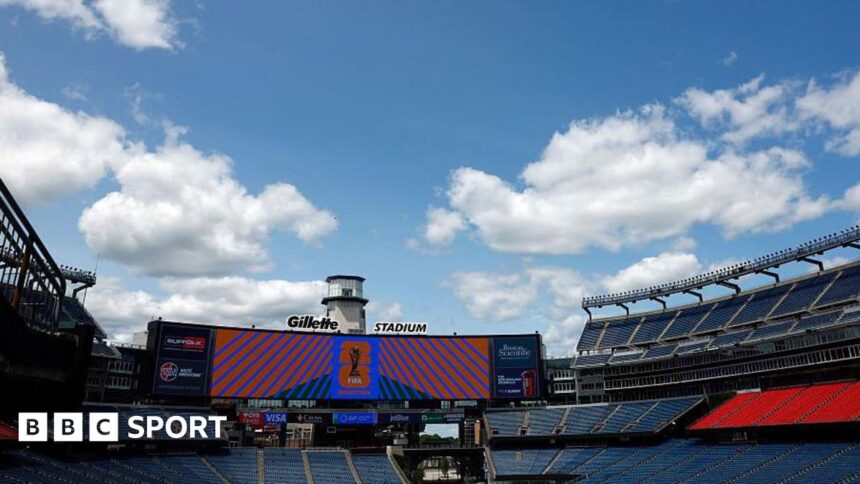
The 2026 FIFA World Cup promises a festival of football across North America, but for thousands of traveling Tartan Army and Three Lions supporters, the journey to the matches in Boston is shaping up to be a financial foul. With the iconic Boston Stadium in Foxborough set to host key group stage clashes, the Massachusetts Bay Transportation Authority (MBTA) has announced a controversial special event fare that has left fans feeling priced out before a ball is even kicked. The move has ignited a debate over fan accessibility, public transport ethics, and the true cost of hosting a global mega-event.
The Sticker Shock: From Daily Commute to World Cup Premium
For the average Bostonian, a trip from the city’s bustling South Station to the Foxborough stop near the stadium is a routine affair. A standard one-way ticket costs a reasonable $8.75, with a round trip totaling $17.50. However, the MBTA’s plan for the World Cup period in June 2026 presents a staggering markup. The authority will institute a mandatory round-trip fare of $80 for all travelers heading to the matches, a price that represents more than a 450% increase over the normal cost.
This policy means that for the crucial group stage matches—Scotland vs. Haiti on June 14, Scotland vs. Morocco on June 19, and the highly anticipated England vs. Ghana clash on June 23—fans will be digging deep. A family of four, for instance, will be looking at a $320 transport bill just to get to and from the stadium, a sum that doesn’t touch match tickets, accommodation, or food and drink.
- Normal Round-Trip Fare: $17.50
- 2026 World Cup Special Fare: $80
- Percentage Increase: Over 450%
- Key Matches Affected: Scotland vs. Haiti, Scotland vs. Morocco, England vs. Ghana
Behind the Decision: MBTA’s Rationale and Fan Backlash
The MBTA has defended the decision, framing it as a necessary measure for crowd management and operational sustainability. In official statements, the authority cites the extraordinary demand expected from the 65,000-capacity Boston Stadium fills, requiring additional trains, heightened security, and complex logistics far beyond a typical New England Patriots game or concert. They argue the premium fare helps offset these substantial costs without burdening Massachusetts taxpayers.
However, this rationale has done little to placate furious fan groups. Critics label the move as blatant price gouging, exploiting a captive audience of international visitors with limited transportation options. The remote location of the stadium in Foxborough, approximately 25 miles from downtown Boston, makes the train the most viable option for most attendees. Driving is plagued by legendary traffic and expensive parking, while ride-share services are expected to surge to exorbitant rates.
“It feels like we’re being treated as walking wallets, not as guests,” said one Scotland supporters’ club representative. “We’re traveling thousands of miles, spending money in the local economy, and then get hit with a transport fare that’s four times the normal price. It leaves a sour taste before the tournament even begins.”
Expert Analysis: The Wider Implications for Mega-Events
Sports economists and event management experts see this situation as a microcosm of a larger tension in modern mega-events. “The World Cup is sold on unity and accessibility, but the reality often involves extracting maximum revenue from every possible touchpoint,” notes Dr. Anya Petrova, a professor of Sports Geography. “Transportation is a critical, inelastic service—fans have no alternative. This pricing strategy risks alienating the very people who create the atmosphere the World Cup sells to global broadcasters.”
The decision also raises questions about the legacy of hosting. While stadiums and infrastructure are often discussed, the fan experience is a crucial part of a host city’s reputation. A negative travel experience can tarnish Boston’s image as a welcoming sports capital and deter future tourism. Furthermore, it sets a concerning precedent for other host cities across the U.S., Canada, and Mexico, potentially triggering a domino effect of similar premium transport fares.
From an operational standpoint, some analysts question the logic. A fare so high could incentivize fans to seek riskier, unregulated travel options or lead to increased drunk driving incidents as fans balk at the $80 per person train ticket. A tiered pricing model—offering a discount for advance purchase or for group bookings—might have been a more palatable compromise.
Predictions and Potential Outcomes
As the kickoff in 2026 draws closer, several outcomes are likely:
Organized Fan Protests: Both Scottish and English fan groups are renowned for their vocal and good-natured presence. Expect organized campaigns, social media pressure, and potential appeals to FIFA and the local organizing committee to intervene. Chants and banners at the matches themselves criticizing the fare hike are a near certainty.
Last-Minute Policy Adjustments: Facing sustained bad press and fan outrage, the MBTA may be forced to offer modifications. This could include bundling the train fare with match tickets at a slight discount, creating a “tournament pass” for multiple journeys, or partnering with sponsors to subsidize a portion of the cost.
Rise of Alternative Transit: Entrepreneurs will likely fill the gap. Look for unofficial fan buses organized by pubs and supporter clubs, offering shuttle services from central Boston at a competitive rate. While these may ease the burden, they could also lead to traffic congestion and safety concerns if not properly coordinated.
Impact on Attendance and Atmosphere: The most significant risk is that the cost deters less affluent fans, particularly the younger generation and local supporters, from attending. This could lead to a more corporate, subdued atmosphere in the stands, diminishing the very spectacle the World Cup relies upon.
Conclusion: A Test of Fair Play Off the Pitch
The beautiful game is built on passion, community, and a sense of shared occasion. The journey to the stadium is an integral part of that ritual. The MBTA’s drastic fare hike for the 2026 World Cup represents a fundamental misunderstanding of this culture, viewing fans not as participants but as revenue streams to be maximized. While the operational challenges of moving tens of thousands of people are real, a 450% price increase is not a solution; it’s a penalty.
For Boston, a city with a rich sporting history, this is a pivotal moment. It can choose to be remembered as a host that facilitated an unforgettable, accessible festival of football, or one that placed a prohibitive toll on the fan experience. The hope remains that between now and June 2026, cooler heads will prevail, and a compromise will be found that respects both the logistical realities and the financial realities of the traveling supporter. After all, the World Cup’s spirit shouldn’t be derailed before it even leaves the station.
Source: Based on news from BBC Sport.