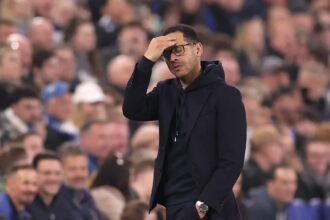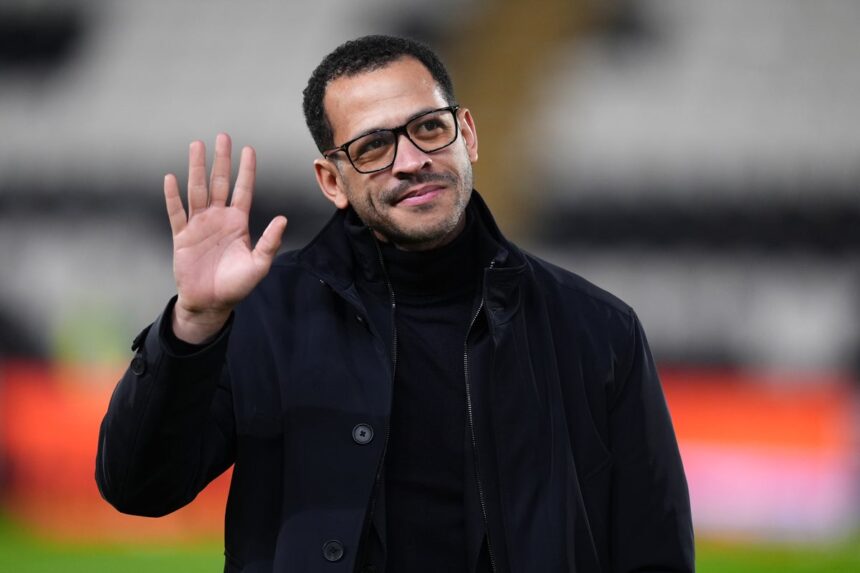
Liam Rosenior’s Chelsea Dream Ends in 90 Days: A Premier League Soap Opera Reaches New Heights of Chaos
The ruthless, unforgiving theatre of the Premier League has claimed its latest victim in spectacularly brutal fashion. Liam Rosenior, the bright young managerial hope handed a monumental six-year contract to steer Chelsea’s future, has been sacked after a mere three months in charge. This isn’t just a managerial change; it’s a statement of profound institutional chaos, a record-breaking collapse, and a stark warning about the modern game’s evaporating patience. The fallout from this decision will reverberate through Stamford Bridge long after the dust settles on this disastrous campaign.
The Unraveling: From Long-Term Vision to “Indefensible” Reality
When Liam Rosenior was appointed in January, the narrative was one of stability and visionary planning. A six-year deal for a 41-year-old coach signaled a club ready to break from its hire-and-fire cycle, to build something sustainable. Fast forward 90 days, and that vision lies in tatters. The catalyst was a 3-0 defeat to Brighton on Tuesday, a performance so anaemic it provoked Rosenior’s most scathing public critique. He labeled his players’ efforts “indefensible,” a rare moment of public fury that now reads as a final, desperate act.
That loss was not an isolated incident. It cemented a historic nadir for the club: five consecutive Premier League defeats without scoring a single goal. This isn’t just a bad run; it’s the club’s worst run of league form in 114 years. For a club of Chelsea’s stature and financial might, such statistics are apocalyptic. The long-term project collided head-on with the short-term demands of results, and the project evaporated in an instant.
- Historic Failure: Worst goal drought and losing streak in over a century.
- Broken Trust: Public criticism of players created an untenable atmosphere.
- Contract Paradox: A six-year vision abandoned after just 12 league games.
Interim Steps and the Search for Salvation
In the immediate vacuum, Chelsea have turned to a familiar face in a time of crisis. Calum McFarlane, a respected coach within the club’s structure, steps into the breach as Interim Head Coach. His first assignment could not be more high-stakes: an FA Cup semi-final against Leeds United this Sunday. The cup now represents the club’s only remaining path to salvation this season—a potential trophy and European qualification. McFarlane’s task is to instantly galvanize a shattered squad, a challenge of immense psychological complexity.
Meanwhile, the club statement hints at a period of “self-reflection” to find the “right long-term appointment.” This phrase will be met with deep skepticism by many supporters. The football world has seen this script before at Chelsea: a gracious statement thanking the departed, promises of a thoughtful new process, followed by another dramatic swing in philosophy. The key question now is who would be enticed by this “project”? The job represents one of football’s ultimate prizes, but also one of its most volatile hot seats.
Expert Analysis: What Went Wrong for Rosenior at Chelsea?
From a tactical and cultural perspective, Rosenior’s failure was multifaceted. While praised for his meticulous approach and modern ideas, several critical factors aligned against him:
The Weight of the Jersey: Managing Chelsea is a unique pressure cooker. Rosenior, for all his promise, lacked the established, heavyweight profile that often commands instant respect in a dressing room packed with international stars and massive egos. When results turned, his authority eroded rapidly.
Squad Imbalance and Morale: He inherited a bloated, expensively-assembled squad with no clear identity. Instilling a cohesive style and fighting spirit in such a group, mid-season, is a Herculean task. The confidence drain during the winless run became a self-fulfilling prophecy, evident in the toothless attacking displays.
The Modern Football Paradox: Rosenior’s saga is the ultimate example of football’s contradictory demands. Clubs speak of “projects” and “philosophies” but execute them with the patience of a tweet. The six-year contract was a symbol, but the board’s actions prove the only currency that truly matters is immediate points. His tenure becomes a cautionary tale for any young manager tempted by a “big club” project without iron-clad, short-term guarantees.
Predictions: What’s Next for Chelsea and Rosenior?
The path forward for both parties is fraught with uncertainty and intrigue.
For Chelsea: The search will inevitably link them with every available big-name manager. However, a more pragmatic, experienced “firefighter” type—a manager with a proven record of stabilizing clubs and handling superstar egos—may be the prudent choice over another visionary. The club’s hierarchy must also reflect on their own role in this chaos; constant player turnover and a lack of clear sporting direction have created a toxic environment for any coach.
For Liam Rosenior: While this is a brutal setback, his reputation within the game as a talented, thoughtful coach remains largely intact. Many will see him as a victim of impossible circumstances. He is likely to take time, recalibrate, and return to management, perhaps at a club with a more aligned and patient structure. This painful chapter could ultimately harden him for future challenges.
The Immediate Future: All eyes are on Wembley. An FA Cup win for McFarlane would paper over cracks and provide a glorious finale. Defeat, however, would plunge the club into a summer of profound discontent, with the Rosenior episode symbolizing a year of unprecedented failure.
Conclusion: A Stark Symbol of Football’s Impatience
The sacking of Liam Rosenior is more than a Chelsea headline. It is a microcosm of modern elite football. It encapsulates the tension between long-term planning and instant gratification, the immense difficulty of managing player power, and the sheer volatility of life at the top. Chelsea, a club defined by its relentless pursuit of success, now finds itself in a state of profound self-inflicted turmoil, having torn up their own long-term plan after a historically bad three months.
The gracious words in the club statement ring hollow against the record-breaking statistics and the image of a promising manager cast aside before his ideas could take root. As Calum McFarlane takes temporary charge and the board embarks on its “self-reflection,” one truth is inescapable: the next appointment must be a home run. If not, the cycle of chaos at Stamford Bridge will only spin faster, and the ghost of Rosenior’s 90-day, six-year contract will loom as the ultimate symbol of a club that has lost its way.
Source: Based on news from Yahoo Sports.