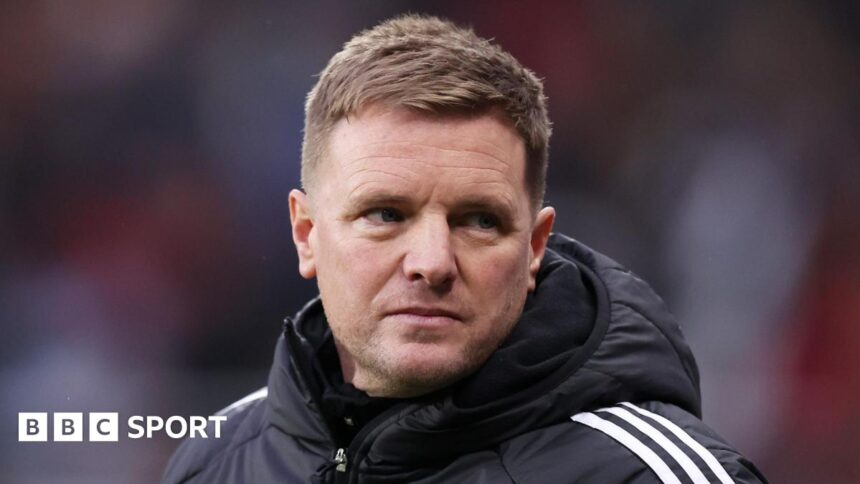
Eddie Howe’s St James’ Park Stand: A Manager’s Conviction Amidst the Storm
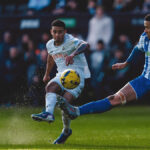
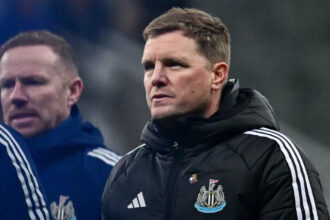
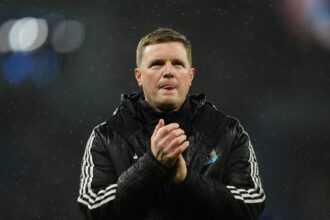
The relationship between a football manager and a club is a complex, living entity. It thrives on success, endures through pragmatism, and is tested, most severely, in the crucible of adversity. For Eddie Howe at Newcastle United, that test arrived with the piercing sound of boos echoing around a emptying St James’ Park following a chaotic 3-2 defeat to Brentford. In the raw aftermath, a crestfallen Howe offered a startling moment of self-flagellation, stating he was “not doing my job well enough.” Yet, just 48 hours later, the manager delivered a definitive statement of intent, declaring there was “no doubt in my mind” he was the right man—and that he would resign if he ever felt otherwise. This is the story of a manager navigating the treacherous gap between immediate fan sentiment and long-term project belief.
The Fine Line Between Accountability and Conviction
Eddie Howe’s immediate reaction to the Brentford defeat was a masterclass in emotional intelligence and leadership accountability. In an industry where deflection is often the first resort, Howe’s willingness to shoulder the blame publicly was striking. “I have to take responsibility for that,” he said of the performance. This instinct to protect his players and absorb the pressure is a cornerstone of his management style and a key reason he commanded such universal respect during the miraculous escape from relegation and subsequent top-four charge.
However, his follow-up comments days later reframed the narrative. The statement, “I’d resign if I wasn’t still right for the job”, is not a throwaway line. It is a powerful declaration of both self-awareness and stubborn belief. It communicates to the owners, the players, and the fans that his position is not one of complacent entitlement, but of conscious, daily evaluation. He is effectively stating that his commitment to the club’s progress outweighs his own personal ambition to simply hold the title of Newcastle United head coach. This creates a fascinating dynamic: a manager who is simultaneously his own harshest critic and his own most staunch defender.
Contextualising the Crisis: From Wembley Highs to Mid-Table Reality
To understand the current tension, one must view it through the prism of Newcastle’s accelerated timeline. When Howe was appointed in November 2021, the mandate was singular: avoid relegation. The achievements since have been extraordinary:
- Securing Champions League football in his first full season, defying all pre-season predictions.
- Ending a 54-year trophy drought by lifting the Carabao Cup at Wembley just 11 months ago.
- Establishing a clear, attacking identity and forging a formidable team spirit.
This rapid ascent has, perhaps inevitably, recalibrated expectations. The current season, marred by a catastrophic injury crisis, sandcastle-tight Financial Fair Play constraints, and the added demands of a brutal Champions League group, has been a brutal reality check. Slipping to 12th in the Premier League feels like a freefall from the heights of the previous campaign. The frustration from supporters is not born of entitlement, but from the jarring contrast between what was and what is. Howe’s challenge is to manage these expectations while solving very real tactical and personnel issues on the pitch, all while operating without the financial firepower many assume the Saudi-backed ownership provides.
The Core Challenges Facing Howe’s Newcastle
The Brentford defeat was a symptom of deeper issues Howe must urgently address. The analysis goes beyond a single bad day at the office. Several key themes have emerged this season:
Defensive Fragility: Once the bedrock of their success, Newcastle’s back line has been porous. The high-pressing system looks fatigued and disjointed, leaving gaping spaces for opponents to exploit. The absence of key defenders like Sven Botman and the relentless midfield turnover has shattered last season’s defensive cohesion.
Injury Catastrophe: This cannot be overstated. Losing Nick Pope, Botman, Joelinton, and others for extended periods has stripped the squad of its core leaders and physical presence. Howe’s system is physically demanding, and the lack of rotation options has led to visible player burnout.
Second-Season Syndrome: Opponents have now had over a year to study and adapt to Howe’s tactical blueprint. The element of surprise is gone. Newcastle are no longer the plucky overachievers; they are a scalp to be taken, and teams are finding ways to disrupt their rhythm with increasing success.
Howe’s task is to evolve the team’s tactical approach, find solutions within a stretched squad, and reignite the collective belief that seemed unshakable just a few months ago.
What Comes Next: Predictions for the Howe Era
The coming weeks will be pivotal for Eddie Howe’s tenure. His public vote of confidence in himself now requires tangible evidence on the pitch. Here is what we can expect:
The January Window Will Be Pivotal: Expect Newcastle to be active, but likely through smart loans or value signings rather than blockbuster deals due to FFP. A versatile defender and a midfield enforcer are absolute priorities. The board’s support in the market will be the clearest signal of their continued faith in Howe’s project.
A Tactical Recalibration: Howe is a studious coach. We are likely to see a slight tactical shift—perhaps a more pragmatic approach in certain games, a tweak in the press, or a new formation to solidify the midfield. His ability to adapt, not just inspire, is now under the microscope.
The Verdict of the Dressing Room: Ultimately, a manager’s authority is decided by his players. The true test of Howe’s “right man” claim will be the squad’s response. If they continue to fight for him as they have in the past, recovery is possible. Any sign of a lost dressing room would be fatal.
Prediction: Eddie Howe will see out the season. The ownership, mindful of the injury context and his immense credit in the bank, is likely to afford him time to correct the course. However, the margin for error has vanished. A bottom-half finish, without a strong second-half rally, would make his position untenable, regardless of his personal conviction.
Conclusion: The Weight of the Right Man Promise
Eddie Howe has drawn a line in the sand at St James’ Park with his stark resignation pledge. It is a statement that raises the stakes, transforming his role from simply a head coach to the self-appointed guardian of the club’s forward trajectory. It is a brave, perhaps risky, strategy that places immense pressure squarely on his own shoulders. The boos against Brentford were a painful reminder that in football, gratitude for past triumphs is fleeting. The legacy of his Carabao Cup triumph and Champions League qualification will only protect him for so long.
The coming months will reveal whether Howe’s unwavering belief is the stubbornness of a man blind to his limitations or the resilient conviction of a builder facing inevitable growing pains. For Newcastle United, a club defined by its emotional extremes, this is another chapter in its tumultuous modern history. For Eddie Howe, it is the ultimate test of his professed creed: to know, beyond doubt, that he is still the right man. The world will be watching to see if he is right.
Source: Based on news from BBC Sport.