Bryson DeChambeau’s Bold Plan: YouTube Stardom If LIV Golf Fails
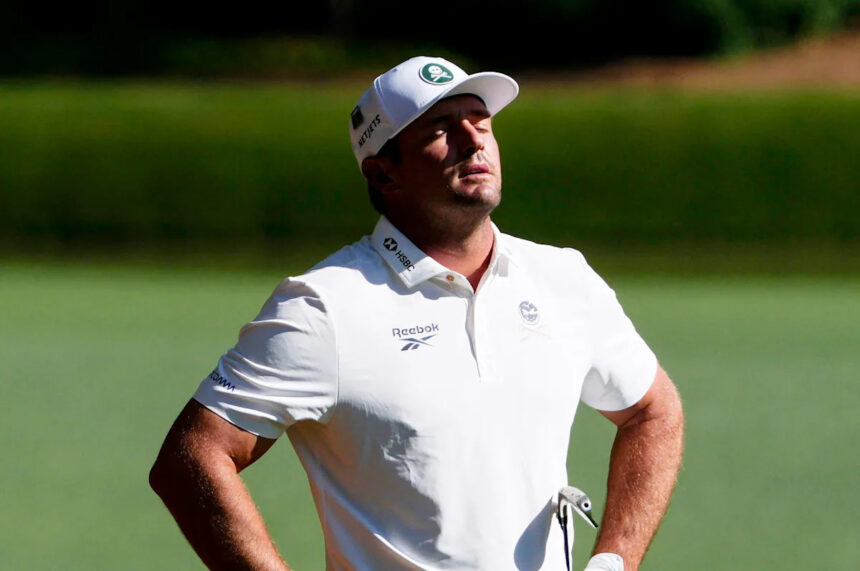
Bryson DeChambeau has never been one to shy away from a provocative statement, but his latest revelation might be his most intriguing yet. The two-time U.S. Open champion, who defected to LIV Golf in 2022 for a reported nine-figure contract, has laid out a crystal-clear contingency plan. If the Saudi-backed circuit fails to secure new investors or fails to re-sign him, DeChambeau says he will pivot hard to his booming **YouTube channel** and focus exclusively on major championships.
In an exclusive interview with ESPN.com on Tuesday at LIV Golf’s event at Trump National Golf Club in Washington D.C., the 32-year-old didn’t mince words. “I think, from my perspective, I’d love to grow my YouTube channel three times, maybe even more,” DeChambeau said. “I would love to. I’d love to do a bunch of dubbing in different languages, giving the world more reason to watch YouTube. And then I’d love to play tournaments that want me.”
This isn’t just idle chatter. It’s a calculated, career-defining pivot from a player who has always marched to the beat of his own drum. For a man who once tried to bulk up to 260 pounds to overpower golf courses, the idea of becoming a digital content mogul while cherry-picking major starts is a fascinating new chapter. But what does this mean for the fractured state of professional golf? Let’s break it down.
The LIV Gamble: Why DeChambeau’s Future Is Uncertain
Since joining LIV in June 2022, DeChambeau has arguably become the circuit’s biggest star. His bombastic personality, scientific approach, and dramatic playoff win at the 2024 U.S. Open have made him a fan favorite—even among traditionalists. But the financial foundation of LIV Golf remains shaky. The league, funded by Saudi Arabia’s Public Investment Fund (PIF), has been burning through cash with no clear path to profitability. Rumors of stalled investment talks and a potential scaling back of operations have circulated for months.
DeChambeau’s contract, reportedly worth more than **$100 million**, is one of the largest in the sport. But if LIV fails to find new backers or cannot justify another mega-deal, the math changes. “I’m not going to play for pennies,” DeChambeau hinted, though he framed his backup plan as a creative opportunity rather than a financial retreat. His comments suggest he sees **YouTube as a scalable, independent income stream** that gives him total control over his brand—something the PGA Tour and LIV both limit.
This is a high-stakes game. If LIV collapses, DeChambeau would be a free agent in a sport that still hasn’t forgiven him. He was among the 11 golfers who sued the PGA Tour in 2022, later withdrawing from the lawsuit in May 2023. But the wounds are deep. “It’s quite unfortunate in my opinion, considering what I could do for them,” DeChambeau said of his potential punishment from the PGA Tour. He confirmed his team has engaged in talks with the Tour, but no pathway back has been offered. Translation: He’s not welcome back without a major mea culpa—or a massive pay cut.
The YouTube Empire: DeChambeau’s Secret Weapon
DeChambeau’s YouTube channel, which boasts over 1.2 million subscribers, is not a hobby. It’s a sophisticated media operation. His videos—ranging from trick shots and course vlogs to deep dives into golf physics—regularly pull in millions of views. In an era where golfers like Rick Shiels and Good Good have built lucrative careers outside the PGA Tour, DeChambeau sees the platform as his escape hatch.
“I’d love to do a bunch of dubbing in different languages, giving the world more reason to watch YouTube,” he said. This is a savvy move. By translating his content into Spanish, Japanese, and Mandarin, DeChambeau could tap into massive global audiences that traditional golf broadcasts struggle to reach. The financial model is clear: ad revenue, sponsorship integrations, and direct-to-consumer merchandise sales can easily rival mid-tier tour earnings. For a player of his caliber, a successful YouTube channel could generate **$5–10 million annually**—without ever stepping foot on a tour bus.
But here’s the genius of the plan: DeChambeau doesn’t have to quit competitive golf. He can do both. By focusing on the four majors—the Masters, PGA Championship, U.S. Open, and The Open Championship—he can maintain his legacy while building a digital empire. Majors are open to him via exemptions (he has a five-year exemption for winning the 2024 U.S. Open) or qualifying. This “major-only” model is unprecedented for a player of his stature, but it mirrors the approach of stars like Phil Mickelson, who played a limited schedule in his later years.
What a DeChambeau YouTube Future Looks Like
- Content Dominance: Expect more behind-the-scenes access, equipment experiments, and “science of the swing” breakdowns that appeal to gearheads.
- Global Reach: Multi-language dubbing could make him the first truly global golf influencer, bypassing traditional media gatekeepers.
- Sponsorship Control: Without tour restrictions, DeChambeau can sign direct deals with brands like Titleist, Cobra, or even non-endemic partners like tech companies.
- Major Excitement: Each major appearance becomes a tentpole event for his channel, driving massive engagement during golf’s biggest weeks.
The risk? Without regular competitive reps, his game could slip. But DeChambeau has always thrived on unconventional preparation. He might be the one player who can pull it off.
The Reunification Paradox: DeChambeau’s Plea for Peace
Perhaps the most surprising part of DeChambeau’s interview was his call for unity. In the same breath where he discussed his YouTube backup plan, he argued that “LIV and the PGA Tour need to work together to reunify men’s professional golf.” This is a dramatic shift from the man who once called the PGA Tour a “dictatorship” and sued the organization for antitrust violations.
Why the change of heart? Simple: DeChambeau knows that a fractured golf landscape hurts everyone. The ongoing legal battles, the lack of a merger deal between the PIF and the PGA Tour, and the uncertainty over player eligibility have created a toxic environment. “I think we all want the same thing,” he said. “We want to play the best golf in the world against the best players. That’s not happening right now.”
His comments come as the PGA Tour and LIV remain locked in tense negotiations. The framework agreement announced in June 2023 has stalled, with no resolution in sight. DeChambeau, who withdrew from the lawsuit in 2023, has tried to mend fences, but many PGA Tour members still view him as a traitor. “It’s not like I’m asking for a free pass,” he added. “I just think there’s a way for everyone to coexist.”
This is where the YouTube pivot becomes a strategic bargaining chip. If DeChambeau can prove he can thrive outside the tour system, it weakens the PGA Tour’s leverage. He becomes a symbol of the “new golf economy”—one where players don’t need the Tour’s approval to make a living. That’s a scary prospect for the established order.
Predictions: Where DeChambeau Ends Up
- Scenario A (LIV survives): DeChambeau re-signs with LIV for a reduced but still massive deal. He continues as the face of the league, but uses his YouTube channel to supplement his income and promote LIV events.
- Scenario B (LIV collapses): DeChambeau becomes a YouTube star and major-only player. He qualifies for the Masters and U.S. Open annually, earning wild-card exemptions for the PGA Championship and The Open. His channel becomes the most-watched golf content in the world.
- Scenario C (Reunification): A merger happens, and DeChambeau is allowed back on the PGA Tour with a suspended sentence. He plays a limited schedule, but uses his platform to bridge the gap between traditionalists and new-age fans.
Personally, I believe Scenario B is the most likely. The PGA Tour’s leadership has shown little appetite for forgiveness, and LIV’s financial model is unsustainable without massive changes. DeChambeau is too smart to wait around for a deal that may never come. He’s already building his escape vehicle.
Conclusion: The Future Is Unwritten—and That’s Exciting
Bryson DeChambeau has always been a disruptor. From his radical swing changes to his decision to join LIV, he has never been content to follow the crowd. His latest plan—to walk away from traditional tour golf and build a YouTube empire—is the most disruptive move yet. But it’s also a masterclass in personal branding and financial independence.
If LIV fails, DeChambeau won’t fade into obscurity. He’ll pivot, adapt, and thrive on his own terms. The majors will still want him, the fans will still watch him, and the sponsors will still pay him. In a sport that’s desperate for innovation, DeChambeau might just be the blueprint for the next generation of golfers.
For now, the golf world watches and waits. Will the PGA Tour open its doors? Will LIV find new investors? Or will Bryson DeChambeau trade the fairways for a studio and a camera? One thing is certain: He’s not going anywhere quietly. And that, for fans of the game, is the most exciting part.
Source: Based on news from Yahoo Sports.