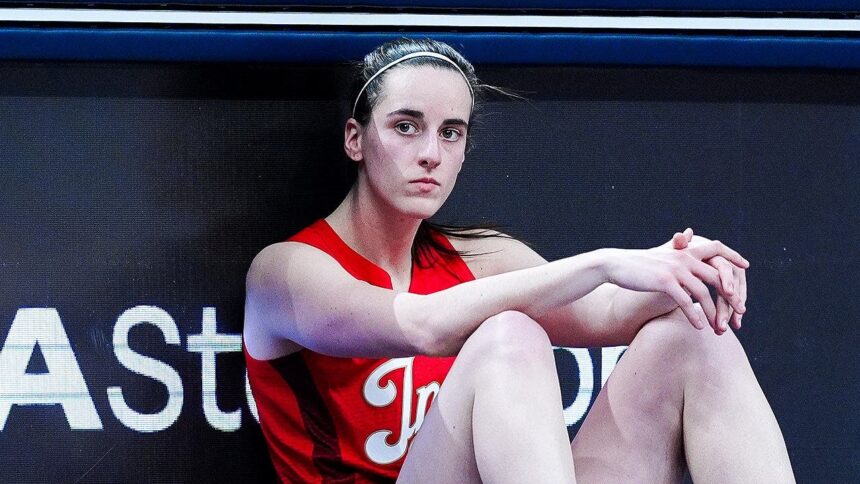
Caitlin Clark’s Morgan Wallen Walkout Sparks Fury and Fandom After Fever’s Heartbreaking Loss
INDIANAPOLIS — The roar inside Lucas Oil Stadium on Saturday night wasn’t for a game-winning three-pointer. It was for a country music superstar. But the person walking out with him? That was Caitlin Clark, fresh off a brutal 107-104 home-opening loss to the Dallas Wings. And the WNBA world is, predictably, split right down the middle.
Clark, the Indiana Fever’s generational point guard, didn’t just attend the Morgan Wallen concert. She was part of the show. As Wallen launched into his signature opener, Clark emerged from the tunnel alongside the singer, waving to a sold-out crowd of 70,000. For a player who just dropped 20 points, seven assists, and five rebounds in a losing effort, it was a bold pivot from sports to entertainment. But for a league still wrestling with its identity, it was a powder keg.
Let’s be clear: Clark is not the first athlete to enjoy a night out after a loss. But this isn’t just any loss. This was the Fever’s home opener. This was a game where Indiana led by 12 in the third quarter and collapsed down the stretch. And this was a moment where Clark’s off-court visibility collided with on-court accountability.
The Double-Edged Sword of Stardom
Caitlin Clark is the WNBA’s most marketable player. She’s also its most scrutinized. The Morgan Wallen walkout is the latest flashpoint in a season-long debate about what fans expect from their stars. Is she allowed to have fun? Absolutely. But timing is everything, and the optics of a surprise concert appearance hours after a defensive collapse did not sit well with a vocal segment of the fanbase.
“I love Caitlin, but this is a bad look,” one fan posted on X. “You just lost your home opener. Show some frustration.” Another countered: “She had 20 points. She carried the team. Let her live.”
The debate mirrors a larger tension in women’s basketball. Clark’s rise has brought unprecedented attention—and scrutiny—to the WNBA. Every move she makes is analyzed through a microscope. But here’s the expert angle: Clark’s brand is bigger than basketball. She’s a crossover star. Walking out with Wallen isn’t just a fun moment; it’s a calculated move in a career that will extend far beyond her playing days. The question is whether the Fever’s championship window can survive that calculus.
The Dan vs. Brink Controversy Adds Fuel
If the concert walkout wasn’t enough, the weekend was bookended by a separate firestorm. During a pre-game segment, sports commentator Dan told WNBA star Cameron Brink that if she wants to complain about how her “white privilege” leads to bigger marketing deals, she should simply turn down the endorsements and tell the brand to give the money to a minority athlete.
Brink, who has been vocal about inequities in the league, was visibly taken aback. The exchange went viral, and it directly ties into the Clark conversation. Clark and Brink are two of the most prominent white faces in a league that is majority Black. The marketing disparity is real: Clark signed a $28 million Nike deal before ever playing a WNBA game. Brink has major deals with New Balance and others. Meanwhile, players like A’ja Wilson and Breanna Stewart—arguably the league’s best players—often see fewer national endorsements.
This is the uncomfortable truth that Clark now lives inside. She didn’t create the system, but she is the system’s biggest beneficiary. And when she walks out with a country star—a figure with his own history of controversy—it reinforces a narrative that “Caitlin Clark gets special treatment.” Whether that’s fair or not is almost irrelevant. Perception is reality in the court of public opinion.
Fever Fans: Frustration or Overreaction?
Let’s look at the game itself. The Indiana Fever lost to the Dallas Wings in a shootout. Clark’s stat line was elite: 20 points, 7 assists, 5 rebounds. She shot 42% from the field and hit three three-pointers. But the Fever’s defense was atrocious. Dallas shot 54% from the floor and 44% from deep. The Wings’ star guard Arike Ogunbowale dropped 34 points, including the dagger with 12 seconds left.
Here’s what the box score doesn’t show: Clark was visibly frustrated on the bench during the final timeout. She threw a towel. She yelled at a teammate. Then, two hours later, she’s on stage with Wallen. The whiplash is real.
- Pro-Clark argument: She played her heart out. She’s allowed to decompress. The Fever’s loss wasn’t her fault.
- Anti-Clark argument: Leaders stay in the gym or go home to watch film. A concert appearance signals that the loss didn’t matter enough.
- Expert take: Both sides have merit. But Clark is 24 years old. She’s human. The expectation that she must be miserable after every loss is unrealistic.
What’s more concerning for Fever fans is the pattern. Last season, Clark was criticized for laughing on the bench during a blowout loss. This year, it’s a concert appearance. If Indiana continues to lose close games—and they will, given their porous defense—these off-court moments will only grow louder.
What This Means for the 2026 WNBA Season
The Fever are 0-1. It’s a long season. But the Eastern Conference is brutal. The New York Liberty, Connecticut Sun, and even the resurgent Atlanta Dream are all legitimate contenders. Indiana’s path to the Finals requires Clark to be superhuman on offense and at least average on defense. Right now, they have neither.
Here’s my expert prediction: The Fever will finish fourth in the East and lose in the first round of the playoffs. Clark will average 25 points, 8 assists, and 6 rebounds—MVP-caliber numbers. But the team lacks a rim protector and a consistent second scorer. Aliyah Boston is good, but not dominant. Kelsey Mitchell is streaky. The roster construction is flawed.
And the Morgan Wallen controversy will fade—until the next loss. Then it will resurface. That’s the burden of being the face of the league. LeBron James faced it. Stephen Curry faced it. Clark is now in that stratosphere. The difference? LeBron and Curry had championships to silence critics. Clark is still chasing her first WNBA title.
The Bottom Line: Clark’s Brand vs. The Team’s Need
Caitlin Clark is not just a basketball player. She’s a cultural phenomenon. Her decision to walk out with Morgan Wallen wasn’t a mistake—it was a strategic choice to expand her reach. But the WNBA is not the NBA. The margins are thinner. The fans are more protective. And the “white privilege” debate, as awkward as it is, won’t disappear.
Dan’s comments to Cameron Brink were harsh, but they highlighted a real tension. When Clark signs a $28 million shoe deal, and a player like A’ja Wilson—a two-time MVP—gets a fraction of that, the system is broken. Clark didn’t break it. But she benefits from it. And every time she steps into the spotlight—whether it’s a concert stage or a magazine cover—she reinforces the hierarchy.
So what should Clark do? Keep playing. Keep winning. And maybe, just maybe, skip the concert after a loss. The fans who love her will forgive her. The critics never will. But a championship? That changes everything.
Final prediction: The Fever will miss the Finals this year. But Caitlin Clark will be the MVP runner-up. And next summer, when she walks out with another artist—maybe Taylor Swift, maybe Beyoncé—the debate will start all over again. Because that’s the price of being the biggest star in the room.
For more sports coverage, including exclusive interviews and analysis, follow our team at FOXNEWS.COM. CLICK HERE for the latest on Caitlin Clark, the Fever, and the entire WNBA season.
Source: Based on news from Fox Sports.