White House Confirms: No Visa Issues for Iraq’s World Cup Team – Rumors Dismissed
The countdown to the 2026 FIFA World Cup is always fraught with tension, but for the Iraq National Team, that tension briefly spilled off the pitch and into the geopolitical arena. Over the past 48 hours, a wave of alarming social media rumors suggested that the United States had denied entry visas to five key members of the Iraqi squad, including star forward Ali Al-Hamadi of Luton Town. The whispers threatened to derail a historic moment for a nation starved of World Cup glory. However, in a decisive and swift rebuttal, the White House and the U.S. State Department have officially refuted these claims, declaring that there are “no known issues” affecting the players’ travel.
This clarification comes as a massive relief for Iraqi fans, the Iraq Football Association (IFA), and FIFA organizers. The rumors, which began circulating on Tuesday, suggested that bureaucratic hurdles or security vetting had blocked five unnamed players—later identified by online sources as including Al-Hamadi—from entering the United States for the tournament. The panic was palpable. After all, Iraq has not qualified for the World Cup since 1986, and this generation of players, many of whom play in Europe, represents the nation’s best chance to make a deep run in the group stage.
But the official word is clear: Iraq’s World Cup dream is alive and well. The U.S. government has gone on record to confirm that the visa process is proceeding smoothly, and the IFA has backed this up with its own statement. Let’s break down exactly what happened, why the rumors spread, and what this means for the Lions of Mesopotamia as they prepare for the biggest stage in sports.
How the Rumors Unfolded – And Why They Were False
The genesis of the controversy appears to be a mix of misinformation and heightened anxiety surrounding U.S. immigration policy. On Tuesday, several unverified social media accounts claimed that the U.S. Embassy in Baghdad had rejected visa applications for five Iraqi players. The posts specifically named Ali Al-Hamadi, a 22-year-old striker who has been a revelation in the English Championship, as one of the denied individuals. Given Al-Hamadi’s high profile—he is Iraq’s most marketable player and a key goal-scoring threat—the news spread like wildfire.
Within hours, the story was picked up by regional outlets, and Iraqi fans began to express outrage, fearing a politically motivated snub. The timing was particularly sensitive, as the U.S. has recently implemented new Executive Order protocols regarding visa security for international visitors. However, the State Department’s statement to Front Office Sports on Wednesday was unequivocal:
“Currently, there are no known issues affecting the Iraq National Team players, and they remain on track to compete in the World Cup. We maintain daily communication with FIFA and will continue to prioritize these players in accordance with the President’s Executive Order, ensuring an incredible and safe tournament.”
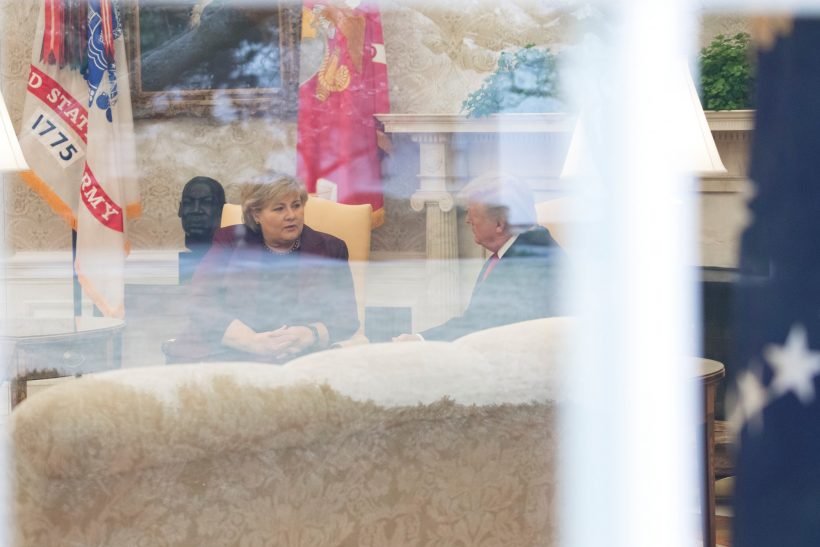
This language is critical. It confirms that the White House is not only aware of the situation but is actively working with FIFA to ensure a seamless entry process. The phrase “prioritize these players” suggests that, if any minor administrative hiccups existed, they have been resolved at the highest level. The Iraq Football Association also stepped in to kill the rumor dead. In a statement to the Iraqi news site The New Region, the IFA declared: “The news is false, and the truth is that all the national team players have obtained entry visas to America.” The IFA further noted that the players are simultaneously processing their Canadian visas, as the tournament is co-hosted by the United States, Canada, and Mexico.
Why did the rumor gain traction? It likely stems from a common procedural delay. Visa applications for high-security events like the World Cup often involve multiple layers of background checks. A temporary “pending” status on a player’s application can easily be misread as a “denial” by anxious media outlets. Furthermore, Iraq’s complex political relationship with the U.S. makes any immigration story a potential flashpoint. But in this case, the facts are straightforward: No visas have been denied. No players are stranded. The team is on schedule.
Expert Analysis: What This Means for Iraq’s World Cup Preparation
From a sporting perspective, the visa confirmation is a massive psychological boost. For a team that has been training in a bubble of uncertainty, the clarity from the White House allows the coaching staff and players to focus entirely on tactics and fitness. Iraq is placed in a challenging group, alongside powerhouse nations like Argentina, Nigeria, and Denmark. Every training session counts, and any off-field distraction—especially one involving a star player like Al-Hamadi—could have been devastating.
Ali Al-Hamadi’s role cannot be overstated. The Luton Town forward is Iraq’s primary outlet in attack. He combines physicality with a sharp eye for goal, and his experience in the physically demanding English league makes him a handful for any defense. If the visa rumors had been true, Iraq would have lost not just a player, but their entire tactical identity. Without him, the Lions would likely have to rely on a more defensive, counter-attacking style, which would severely limit their chances against elite opposition.
Now, with the visa issue resolved, the team can finalize their travel itinerary. The IFA has confirmed that the entire squad will fly to the U.S. in two separate waves: the European-based players, including Al-Hamadi and midfield general Amir Al-Ammari, will join their teammates in a pre-tournament training camp in Florida. This camp is crucial for building chemistry, as many of the squad members play in different leagues across Europe, Asia, and the Middle East.
Furthermore, the State Department’s mention of “daily communication with FIFA” signals an unprecedented level of cooperation. This is not a passive “we’ll process it later” approach. The U.S. government is actively rolling out the red carpet for all 48 participating nations, ensuring that logistics do not overshadow the sport. For Iraq, a nation that has endured decades of conflict and sporting isolation, this gesture is symbolic of a new era of international engagement.
Predictions for Iraq at the 2026 World Cup
With the visa drama behind them, the question shifts to performance. Can Iraq, ranked 68th in the world, pull off an upset? The answer is cautiously optimistic. This is not the same Iraqi team that scraped through qualifying. Under the guidance of head coach Jesús Casas, the team has adopted a modern, high-pressing style. They have a blend of youth and experience, and crucially, they have a chip on their shoulder.
- Group Stage Prediction: Iraq will likely finish 3rd in their group. They are not yet strong enough to topple Argentina or a resurgent Nigeria, but they will be competitive against Denmark. A single win—perhaps a gritty 1-0 against Denmark—would be a historic achievement.
- Key Player to Watch: Beyond Al-Hamadi, keep an eye on Ibrahim Bayesh. The attacking midfielder has a knack for scoring from distance and could be the X-factor in tight games.
- Defensive Solidity: Iraq’s defense, anchored by veteran Saad Natiq, will need to be at its absolute best. If they can hold opponents to one goal, they have the attacking talent to snatch a draw or a win.
My expert take: Iraq will not advance to the knockout stages, but they will leave the tournament with their heads held high. They will score at least two goals in the group stage—something they failed to do in 1986. The real victory, however, is that they are even here. And thanks to the White House’s swift action, they are here with their full squad.
Strong Conclusion: A Victory for Diplomacy and Sport
The false visa rumor was a textbook example of how misinformation can spiral in the digital age. A single unverified post, amplified by panic and political tension, nearly overshadowed one of the most joyous moments in Iraqi sports history. But the truth prevailed. The White House, the State Department, and the Iraq Football Association acted with speed and clarity, proving that international cooperation can still work when the stakes are high.
For the players, this is more than just a tournament. It is a chance to unite a fractured nation. Every time Ali Al-Hamadi steps onto the pitch in the United States, he will carry the hopes of 40 million Iraqis. And now, thanks to the confirmation that his visa—and those of his teammates—is secure, that dream can become a reality.
The World Cup is about moments. It is about the joy of competition, the roar of the crowd, and the beauty of the game. The brief visa scare could have been a tragic footnote. Instead, it has become a testament to the power of clear communication and the shared global passion for football. Iraq is coming to America. The visas are ready. The stage is set. Let the games begin.
Source: Based on news from Deadspin.
Image: CC licensed via trumpwhitehouse.archives.gov