The 2026 World Cup Draw: The Starting Pistol for a Footballing Revolution
This Friday, the long road to glory truly begins. While the first whistle won’t blow for another two years, the draw for the 2026 FIFA World Cup group stage is the moment the tournament comes alive. It’s the day when dreams are shaped, when daunting paths are laid, and when fans from Seattle to São Paulo start meticulously plotting their team’s journey. For the French national team, the reigning runners-up, a crucial question hangs in the air: who will the Blues face in their quest to reclaim the throne? But this draw is about far more than just fixtures; it is the grand unveiling of a new era for the beautiful game. We have all the details on where to watch, how it works, and why this edition will be unlike any other.
A Draw Like No Other: Format, Pots, and Procedure
For the first time in history, the World Cup will be a 48-team spectacle, hosted across three nations: the United States, Canada, and Mexico. This expansion fundamentally changes the tournament’s DNA. The classic 32-team format, a staple since 1998, is gone. In its place is a bold new structure designed to accommodate football’s global growth, promising more matches, more drama, and more opportunities for underdog stories.
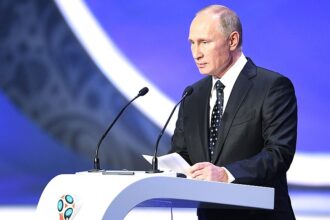
The draw ceremony, broadcast live on OneFootball starting at 6 PM, will allocate the qualified teams into 12 groups of four. The seeding pots are constructed based on the FIFA World Rankings, with the crucial nuance that host nations are automatically placed in Pot 1. This means the United States, Canada, and Mexico will all enjoy top-seed status, a significant advantage on paper.
- Pot 1: Contains the highest-ranked qualified teams, plus the three host nations.
- Pots 2, 3, and 4: Will be filled based on the FIFA ranking, creating a balanced but potentially treacherous draw.
The procedure is a meticulous ballet of balls and bowls, with geographic restrictions in place to prevent teams from the same confederation (with some exceptions for UEFA) from meeting in the group stage. Every ball drawn will send a nation’s fanbase into a frenzy of anticipation or a pit of anxiety.
Potential Group of Death and Dream Clashes
The expanded format doesn’t eliminate the threat of a “group of death“; it potentially creates several. With more elite teams in the mix, the possibility of a brutal draw is high. Imagine a group featuring a European powerhouse like England (Pot 1), a resurgent African champion like Morocco (Pot 2), a technically gifted South American side like Colombia (Pot 3), and a tactically disciplined Asian team like Japan (Pot 4). Such a quartet would be a nightmare for all involved from the very first match.
For Didier Deschamps’ French squad, the draw is pivotal. As a likely Pot 1 team, they will hope to avoid the most dangerous floaters. The key will be the composition of Pot 2, which could contain nations like the Netherlands, Germany, or Croatia—teams with the pedigree to win the entire tournament. A clash of the first round pitting Kylian Mbappé’s France against a fierce historical rival from Pot 2 would instantly become the must-watch match of the group phase.
Beyond the Blues, all eyes will be on the hosts. The United States will crave a favorable draw to build momentum, while Canada’s first home World Cup match will be a historic occasion, regardless of the opponent. Mexico, a consistent force, will be looking for a smooth path to the knockout rounds. The draw will also shape the narrative for the tournament’s debutants—the new faces on the world’s biggest stage will learn their fate, setting the stage for potential Cinderella stories.
The Road Ahead: Tournament Structure and Host City Spectacle
Once the draw is complete, the map of North America will light up with fixtures. The 2026 World Cup will be a logistical marvel, with matches spread across 16 host cities from Vancouver to Guadalajara, and New York/New Jersey to Monterrey. Teams will need to manage not just opponents, but continent-spanning travel and varying climates.
The new format means the tournament will feature a staggering 104 matches, up from 64. The group stage will be followed by a round of 32, adding an extra knockout round and increasing the margin for error—or the chance for redemption. This structure rewards consistency and depth, making the group stage clashes slightly less perilous for the giants, but the path to the final in New Jersey on July 19, 2026, will be a marathon.
Expert analysis suggests that squad rotation and managing player workload will be more critical than ever. The teams with the deepest benches and most adaptable tactical systems will thrive. Furthermore, the host cities are preparing a cultural festival alongside the football. From the iconic Rose Bowl in Pasadena to the cutting-edge SoFi Stadium in Inglewood, and the electric atmosphere of the Azteca in Mexico City—the first stadium to host three World Cup finals—the 2026 edition promises to be a celebration of sport and continental unity.
Predictions and Legacy: What This Draw Truly Means
Predicting the outcome of a draw two years out is a fool’s errand, yet we can forecast its immense impact. The draw will immediately define commercial and broadcasting strategies, influence ticket sales patterns, and set the narrative for the next 24 months of international football. For coaches, it marks the beginning of specific tactical planning; for players, it becomes a tangible goal.
More profoundly, the 2026 World Cup draw is the first step in legitimizing the expanded format. Critics argue it dilutes the competition’s prestige, while proponents hail its inclusivity. The draw is FIFA’s first chance to showcase the new tournament’s competitive balance and global appeal. A series of compelling, evenly-matched groups will silence doubters; a slew of predictable mismatches could fuel criticism.
Ultimately, this Friday’s ceremony is about more than balls in bowls. It is the ignition of a two-year global conversation. It connects the qualifying drama that has unfolded across the continents with the spectacle to come. It gives shape to the dreams of players and the travel plans of millions of fans.
Conclusion: As the world tunes in to OneFootball at 6 PM this Friday, we are witnessing the starter’s pistol for the greatest sporting event on the planet. The draw for the 2026 World Cup is the moment hypothesis becomes reality. While we bid a nostalgic farewell to the 32-team format, we stand at the threshold of a thrilling, unprecedented chapter. The answers we seek about the Blues’ path and the tournament’s iconic early clashes will soon be revealed, setting in motion a countdown to a footballing festival that will redefine the World Cup for a new generation. The journey to 2026 starts now.
Source: Based on news from Yahoo Sports.
Image: CC licensed via commons.wikimedia.org