City’s Bernabéu Brilliance Heaps Unrelenting Pressure on Xabi Alonso
The Santiago Bernabéu, a cathedral where managerial legacies are forged and shattered, witnessed another seismic shift in its storied history on Wednesday night. In a pulsating, high-stakes Champions League encounter, Manchester City authored a classic comeback, defeating Real Madrid 2-1. The result sends a thunderous statement in Europe but, more acutely, it plunges the reign of Real Madrid manager Xabi Alonso into a state of profound crisis. This wasn’t just a loss; it was a potentially decisive blow, arriving with the crushing weight of a second consecutive defeat.
A Tale of Two Halves and a Managerial Tightrope
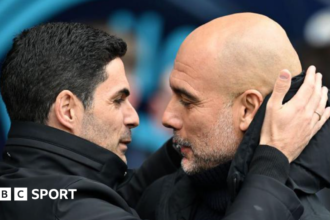
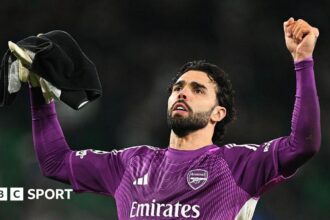
The narrative seemed set for a familiar Madrid triumph early on. Rodrygo’s 28th-minute opener, a moment of incisive quality, sent the Bernabéu into raptures and suggested Alonso’s tactical setup was working. Yet, what followed was a masterclass in resilience from Pep Guardiola’s City and a worrying display of fragility from the hosts. City, unshaken, began to dictate tempo. The equalizer, a well-worked goal finished by the emerging talent Nico O’Reilly just before the break, changed the entire complexion of the tie.
The pivotal moment arrived in first-half stoppage time. A penalty, conceded under pressure, presented Erling Haaland with a moment of chilling inevitability. The Norwegian powerhouse, on his 50th Champions League start, duly converted for his 51st goal in the competition. The turnaround was complete, and the air in the stadium turned from electric to anxious.
Key factors in City’s comeback included:
- Midfield Control: City’s ability to absorb pressure and then systematically dismantle Madrid’s press in the latter stages of the first half.
- Clinical Edge: Converting two major chances in quick succession, a stark contrast to Madrid’s wastefulness.
- Tactical Adjustment: Guardiola’s subtle shift to exploit space behind Madrid’s advancing full-backs created the penalty incident.
The Mbappé-Sized Void and Alonso’s Unraveling Project
The most glaring subplot of the night was the absence of Kylian Mbappé. The French superstar, signed amid immense fanfare this summer, watched on from the bench, sidelined with a hamstring injury. His absence was not merely a missing name on the team sheet; it was the removal of the team’s attacking talisman and primary escape route. In the second half, as Madrid pressed for an equalizer, they created a number of clear opportunities. Yet, without Mbappé’s lethal, game-defining presence, each chance was spurned. His shadow loomed large over every missed finish, highlighting a concerning over-reliance that Alonso has been unable to solve.
This defeat cannot be viewed in isolation. It comes on the heels of a dismal 2-0 La Liga loss to Celta Vigo last Saturday—a performance branded as “unacceptable” by large sections of the Spanish press. The back-to-back losses expose deep structural issues:
- Defensive Uncertainty: A backline that appears disorganized against top-tier opposition.
- In-Game Management: Questions are mounting about Alonso’s ability to alter games with substitutions and tactical changes when Plan A falters.
- Pressure Handling: The team’s mentality seems fragile, crumbling under the first sign of sustained adversity.
For a club with Real Madrid’s insatiable demand for immediate success, this sequence of results is a five-alarm fire. Alonso, a club legend as a player, is finding the merciless nature of the managerial hot seat a different beast entirely.
What’s Next for Alonso and Real Madrid?
The international break offers a brief respite, but it is more likely a calm before the storm. The Madrid board’s patience, famously thin, is being tested like never before during Alonso’s tenure. The upcoming fixture list offers no mercy. The next month features a Clásico against Barcelona and the return leg against Manchester City at the Etihad.
Potential outcomes now hinge on immediate results:
- The Point of No Return: Another loss, particularly a heavy one in the derby or a Champions League exit to City, could force the board’s hand. A managerial change before season’s end is a very real possibility.
- A Reprieve: Only a spectacular turnaround—beating Barcelona and miraculously overcoming City—could truly stabilize Alonso’s position. Even then, the memory of this precarious period will linger.
- Transfer Window Implications: This instability could impact planning for January and next summer, as top targets may reconsider a club in apparent turmoil.
Guardiola’s City, meanwhile, have not only resurrected their European campaign but have also delivered a psychological dagger. They have proven they can go to the Bernabéu, fall behind, and win—a priceless mental asset for the second leg.
Conclusion: A Legacy Now Under Siege
Manchester City’s victory was a masterpiece of Champions League poise, a statement that they remain the continent’s gold standard. For Real Madrid and Xabi Alonso, however, the 2-1 scoreline is a siren blaring a crisis. The shock loss to Bayer Leverkusen last month was a warning. The defeat to Celta Vigo was an alarm. This loss to City, characterized by a surrendered lead and a lack of cutting edge without Mbappé, feels like a potential breaking point.
The pressure on Alonso is now existential. He is not just fighting for points or progression; he is fighting for his credibility and his job. The Bernabéu, once his home pitch where he crafted a legendary playing career, has become the arena where his managerial future at the club is hanging by a thread. In Madrid, history judges quickly and ruthlessly. Xabi Alonso is now squarely in the dock, and the evidence against his project is mounting with each passing, painful defeat.
Source: Based on news from ESPN.