Caitlin Clark’s CBA Plea: A Rookie’s Voice Echoes in the WNBA’s Defining Moment
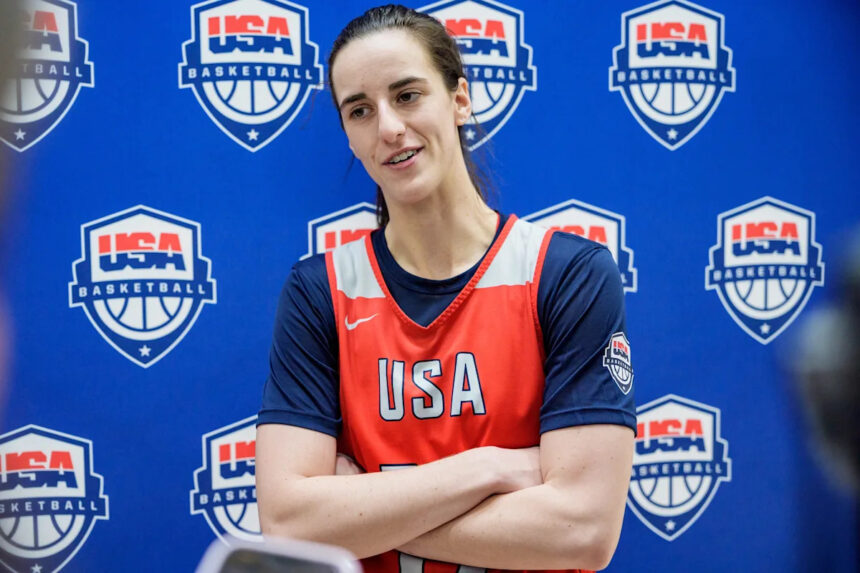
The roar of the crowd has faded, replaced by the quiet tension of the negotiating table. As the WNBA enjoys unprecedented visibility and cultural relevance, its future is being written not on the hardwood, but in boardrooms. At the center of this pivotal standoff is an unlikely, yet profoundly resonant voice: rookie phenom Caitlin Clark. Fresh off her first USA Basketball training camp, the Indiana Fever star issued a clear-eyed plea for resolution, framing the ongoing collective bargaining agreement negotiations as a critical inflection point the league cannot afford to bungle.
The Rookie’s Reality Check: Play Ball, But Get Paid
Caitlin Clark’s entry into the WNBA has been a masterclass in amplifying the game. Sold-out arenas, record ratings, and a merchandise boom have followed her every move. Yet, her first professional offseason is dominated not by rest, but by the stark reality of WNBA labor negotiations. Speaking to reporters, Clark articulated the delicate balance facing the players. “We’re going to fight for everything that we deserve, but at the same time, we need to play basketball,” she stated. This isn’t a call for capitulation; it’s a strategic recognition of leverage. Clark understands that the product on the floor—the very product she is supercharging—is the ultimate engine of revenue and growth. Her call for “compromise on both sides” is the voice of a generation that has witnessed the league’s potential and is now demanding it be realized financially.
The urgency in her words is justified. The league and the Women’s National Basketball Players Association (WNBPA) have already agreed to two extensions, with the current deal set to expire on January 9th. The clock is ticking on a season that promises to be the most watched in history.
Stakes on the Table: What’s Being Negotiated?
The CBA standoff isn’t about a single issue; it’s a holistic battle for the economic future of women’s professional sports. Players are seeking a larger share of the league’s booming revenue, which has surged from new media deals, charter flights, and soaring sponsorship interest. Key bargaining points include:
- Revenue Sharing: A fundamental shift in how the players participate in the league’s financial success.
- Salary Cap and Max Contracts: Significant increases to the league’s salary cap and top-tier salaries to reflect player value and market growth.
- Charter Flight Protocol: While charters are now in place, players seek permanent, league-wide guarantees for health, safety, and performance.
- Work-Life and Marketing Provisions: Improved conditions for offseason play, maternity benefits, and enhanced opportunities for individual player marketing.
Clark’s statement, “That’s how you make the money, that’s how you’re marketed,” hits directly at this nexus. The players are the product, and they are demanding a partnership model that acknowledges their role as primary drivers of the league’s new economic reality.
Expert Analysis: The Clark Effect on Negotiations
Clark’s intervention is significant beyond its soundbite value. As a generational talent attracting a mainstream audience, she embodies the league’s explosive growth potential. Her public call for compromise applies unique pressure. It signals to fans that players want to play, validating their excitement. Simultaneously, it reminds league ownership that the athletes driving this boom are unified and aware of their worth. “This is the biggest moment the WNBA has ever seen and it’s not something that can be messed up,” Clark warned. This isn’t hyperbole; it’s a market fact.
Labor experts note that Clark’s stature gives her a platform no rookie has ever possessed in these negotiations. Her appeal transcends traditional sports fandom, bringing in casual observers who now, perhaps for the first time, are learning about WNBA CBA intricacies. This broadens the audience for the players’ cause and raises the public relations stakes for the league should negotiations falter. She is, effectively, a powerful new variable in the bargaining equation.
Predictions and Pathways: Will a Lockout Loom?
The path forward hinges on the interpretation of “compromise.” The two extensions suggest both sides are motivated to avoid a work stoppage that would cripple the league’s momentum. A full-season lockout seems unlikely given the catastrophic PR and financial damage it would inflict. However, a delay to the start of training camp or the regular season remains a distinct possibility if an agreement isn’t reached by early January.
The most probable outcome is an 11th-hour deal that delivers meaningful gains for players—particularly in revenue sharing and salary floor increases—while allowing owners to capitalize on the current growth trajectory. Clark’s presence is a catalyst for a “win-win” framework. Her ability to fill seats and drive ratings strengthens the players’ argument for a larger revenue share, while also giving owners a powerful incentive to secure a deal and get her, and the entire league, back on the court. The negotiation is no longer just about fair pay; it’s about stewarding a cultural phenomenon.
Conclusion: Seizing the Moment, Together
Caitlin Clark’s foray into the business of basketball is as illuminating as her deep three-pointers. Her call for compromise is a mature recognition of a simple truth: the WNBA’s golden moment requires golden stewardship. The players, rightfully, are fighting for a transformative deal that corrects historical inequities and sets a new standard. The league, recognizing the value of its stars, must invest to secure this unprecedented future.
The WNBA negotiations are now under a brighter spotlight than ever before. Clark’s voice amplifies the core message from the WNBPA: they are ready to build, but they must be rightful partners in the empire they are creating. As the January 9th deadline approaches, the hope is that both sides heed the rookie’s wisdom. The fans are craving the product. The players are ready to deliver. Now, the business must catch up to the game, ensuring the WNBA’s biggest moment isn’t just a peak, but a permanent plateau from which to soar.
Source: Based on news from Yahoo Sports.