From Adoration to Agitation: The Messi Tour Meltdown That Shook Indian Football
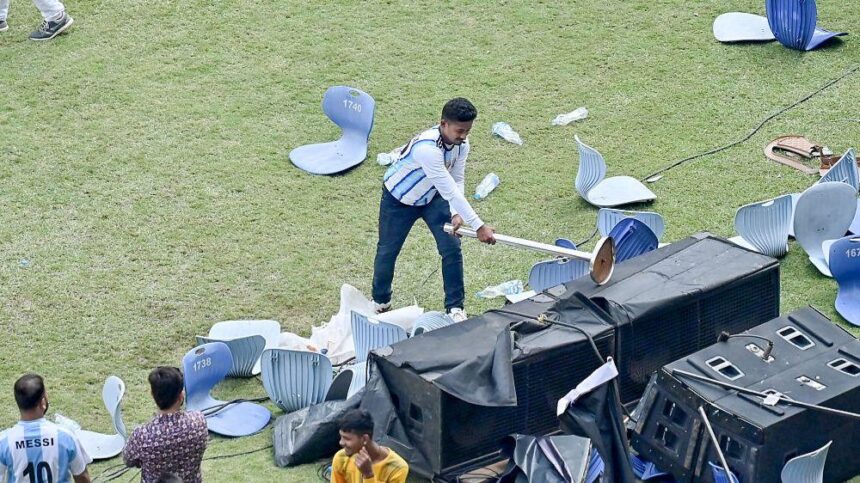
The image is jarring, a stark contrast to the usual iconography surrounding Lionel Messi. Instead of confetti and lifted trophies, the scene at Kolkata’s colossal Salt Lake Stadium was one of flying plastic bottles and uprooted stadium seats. What was billed as a historic, celebratory glimpse of a living legend for thousands of Indian fans devolved into a public relations disaster, exposing the volatile gap between superstar marketing and fan expectation. The “GOAT Tour” in India, promising an intimate connection with footballing divinity, ended with a sour taste of disillusionment and a stark warning for the global sports entertainment machine.
A Recipe for Disappointment: When Hype Collides with Reality
To understand the fury that erupted in Kolkata, one must first appreciate the immense anticipation that preceded it. Lionel Messi’s arrival in India, even on a promotional tour separate from competitive football, is a seismic event in a cricket-dominant nation with a rapidly growing, fanatical football culture. For many, this was a once-in-a-lifetime opportunity.
Fans invested not just emotionally, but significantly financially. With tickets costing up to 12,000 rupees, a small fortune for many, the expectation was for a substantive experience. What they received was perceived as a bait-and-switch. Messi’s appearance was brief, reportedly around 20 minutes, and crucially, largely obscured by a phalanx of officials and local celebrities who crowded the pitch. The “glimpse” became a frustrating game of peek-a-boo through a forest of suits and sarees.
This created a perfect storm of discontent:
- High Financial Outlay: The ticket price set a high bar for value.
- Minimal Access: A distant, obstructed view of the star.
- Ceremonial Over Fan Experience: The event felt structured for VIPs and cameras, not for the paying crowd in the stands.
When Messi was then swiftly escorted away by security, the symbolic snub was complete. The brief, mediated interaction transformed from a dream fulfilled into a metaphor for the distant, untouchable nature of global celebrity. The anger wasn’t just about missing a photo op; it was a visceral reaction to feeling disrespected as consumers and as devotees.
Beyond the Bottles: Expert Analysis of a Systemic Failure
Labeling the incident merely as “fan hooliganism” misses the broader point. While the destructive reaction is indefensible, sports sociologists and event management experts see this as a predictable, if extreme, outcome of a flawed model.
“This is a classic case of event expectation mismatch,” explains a veteran sports marketing consultant who wished to remain anonymous. “The ‘GOAT Tour’ branding, coupled with premium pricing, implicitly promised an authentic Messi experience—perhaps a skills demonstration, a longer interaction, or a structured Q&A. What was delivered was a ceremonial walkabout more suited to a political rally. The organizers prioritized photo-ops for dignitaries over sightlines for fans.”
The reaction from West Bengal’s Chief Minister, Mamata Banerjee, who stated she was “deeply disturbed and shocked”, underscores the event’s political and cultural significance—and the depth of its failure. It wasn’t just a botched show; it was a diplomatic incident in the world of sport.
Furthermore, the incident highlights the unique challenges and occasional cynicism of global superstar promotional tours. These tours are commercial juggernauts designed to leverage a star’s brand in emerging markets. However, when the execution feels transactional and thin on genuine engagement, they risk alienating the very fanbase they seek to capitalize on. The fans in Kolkata didn’t just want to *see* Messi; they wanted to *experience* his presence, and the event’s structure made that impossible.
The Fallout and Future: Predictions for Stars and Markets
The chairs thrown in Kolkata will echo in boardrooms for some time. The immediate fallout is a stained reputation for the tour organizers and a moment of reflection for Messi’s own brand managers. For a player whose image is built on humility and connection with supporters, being at the center of such a hostile scene is damaging.
Looking ahead, we can predict several consequences:
- Increased Scrutiny on Promotional Events: Future tours by athletes of Messi’s caliber will face tougher questions about fan access and event structure. Transparency about what a ticket actually guarantees will become paramount.
- Re-evaluation of the “Market Visit” Model: The old playbook of flying a star in for a wave and a press conference is broken. Markets like India, with sophisticated, passionate fans, demand more. Expect future events to incorporate substantive elements like youth coaching clinics, extended fan forums, or broadcast specials to deliver value beyond a stadium wave.
- Security Reassessments: While security is always tight for global icons, this incident shows that crowd management must account for disappointment as a risk factor, not just adulation.
- Empowerment of the Indian Fan: This incident loudly declared that Indian football fans are not a passive audience. They are discerning consumers who will hold promoters accountable for perceived disrespect, potentially leading to a more balanced power dynamic in future.
A Stark Conclusion: The Sacred Bond Between Star and Supporter
The debris at Salt Lake Stadium is more than just litter; it’s the physical manifestation of a broken promise. The Messi tour meltdown in India serves as a critical case study for the modern sports industry. In the relentless pursuit of commercializing every aspect of a superstar’s brand, the core, sacred bond between the athlete and the supporter can be frayed, sometimes to a breaking point.
True sporting legend is not built solely on pitch accomplishments or lucrative tours. It is forged in those moments of genuine connection—the eye contact with a fan in the stands, the extra minute signing autographs, the feeling that the star understands the weight of their inspiration. In Kolkata, that connection was not just missed; it was, in the fans’ eyes, deliberately withheld and devalued. The anger was misdirected into destruction, but its source was a profound sense of betrayal. The message for the global sports machine is clear: in the quest for gold, do not trample the faith of those who gild the crown. The Indian fan has spoken, and the world of sport must now listen.
Source: Based on news from Yahoo Sports.