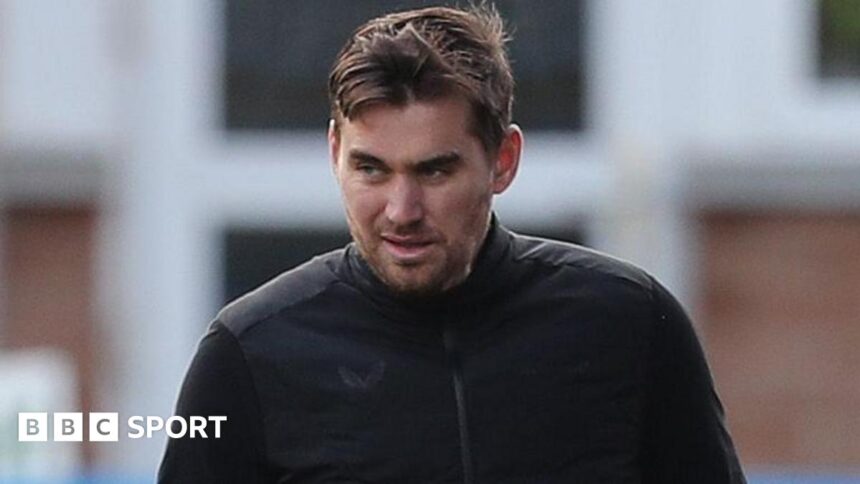
Michael Jolley’s Bury Tenure Lasts Two Days as Past Controversy Sparks Fan Revolt
The world of football management is no stranger to swift exits, but few have been as rapid or as charged as the departure of Michael Jolley from Bury FC. Appointed on a Friday with the aim of steering the phoenix club’s promotion ambitions, the former Grimsby Town and Barrow boss was gone by Sunday, his position rendered untenable by a fierce and immediate backlash from the club’s supporter base. The catalyst was the resurfacing of a 2009 criminal conviction, a chapter from Jolley’s past that collided explosively with the present, forcing a stark reckoning on ethics, redemption, and the unique power of fan voice in the modern game.
A Tumultuous 48 Hours: Appointment to Abdication
The sequence of events at Gigg Lane was breathtaking in its speed. Bury FC, a club rebuilt from the ashes of its former EFL self, announced Michael Jolley as their new first-team manager on Friday, citing his “wealth of experience” and “proven track record.” The reaction, however, was not one of universal welcome. Within hours, social media channels and fan forums were alight with concern and outright anger. The core of the protest was not tactical disagreements but a deep-seated moral objection.
This stemmed from a 2009 case, when Jolley, then a 31-year-old City trader, pleaded guilty to having sex with a 15-year-old girl. He was sentenced to 12 months’ probation and placed on the Sex Offenders’ Register for the same period. Jolley has consistently maintained that the girl deceived him about her age, claiming to be 19. In a statement on X following his Bury exit, he reiterated this position, stating subsequent investigations established he was “deceived, and at no time did I act maliciously.” Despite this explanation, for a significant portion of Bury’s fans, the mere association was a step too far for a community-owned club seeking to represent its town with integrity.
Facing a growing storm of protest, including threats of boycotts and a palpable fracture between the board and its supporters, the club’s leadership was forced into a rapid reversal. By Sunday, a terse statement confirmed Jolley had “stepped down with immediate effect,” concluding a managerial reign lasting approximately two days.
Expert Analysis: The Unforgiving Intersection of Past and Present
This episode is more than a curious footnote; it is a case study in several pressing issues within football. Firstly, it underscores the transformative power of fan activism in the digital age. Gone are the days when displeasure was confined to the terraces on a Saturday. A coordinated, vocal online campaign can now shape boardroom decisions at a dizzying pace, holding clubs to a standard that extends beyond mere results.
Secondly, it forces a difficult conversation about rehabilitation versus reputational risk. Jolley’s legal punishment was served over a decade ago. He subsequently built a coaching career, earning his UEFA Pro License and managing in the professional leagues. The football world has, at times, shown a capacity for offering second chances. However, this incident highlights that for certain offences—particularly those involving vulnerable individuals—the court of public opinion often operates on a different timeline and with different rules than the court of law.
From a club governance perspective, Bury’s board faces serious questions. The key failings appear to be:
- Inadequate Due Diligence: While the board may have been aware of the conviction, they grossly underestimated the strength of fan feeling.
- Communication Breakdown: There was no apparent pre-emptive engagement with supporter groups to gauge sentiment, a critical step for a community-owned entity.
- Misreading the Club’s Ethos: Bury’s rebirth was fueled by fan passion and a desire for a clean slate. This appointment felt, to many, like a betrayal of that hard-won purity.
Predictions: Ripple Effects for Jolley, Bury, and Football Governance
The fallout from this two-day saga will likely extend far beyond Gigg Lane. For Michael Jolley, the path back into dugout management looks profoundly challenging. The very public nature of this backlash will be a red flag for any club considering his appointment, regardless of his footballing acumen. His professional future may now lie in consultancy or coaching roles away from the intense public spotlight of a manager’s office.
For Bury FC, the immediate task is damage control and healing. The club must:
- Launch a transparent review of their appointment process.
- Re-engage with their supporter base, acknowledging the misstep and reaffirming shared values.
- Find a new manager whose profile aligns with the community’s expectations, a process that will now be scrutinized like never before.
For football clubs more broadly, this serves as a stark warning. In an era where club culture and social responsibility are increasingly valued, background checks must evolve beyond reference calls and career history. Clubs must develop a nuanced understanding of their own fanbase’s moral compass and conduct thorough “reputational due diligence.” The non-league game, with its intimate connection to community, is particularly sensitive to such issues.
Conclusion: A Watershed Moment for Fan Power and Accountability
The Michael Jolley saga at Bury was a whirlwind that laid bare the fundamental tensions in modern football. It was a clash between a individual’s narrative of personal and professional redemption, and a community’s right to define the ethical boundaries of its representative institution. The sheer velocity of the outcome—a forced resignation within 48 hours—is a testament to the potent, organized voice of a fanbase that refused to be silent.
This is unlikely to be an isolated incident. It sets a powerful precedent, signaling to clubs at all levels that appointments are no longer just football decisions; they are cultural statements. While the debate on second chances will and should continue, the events at Bury prove that when a fan-owned club’s community speaks with one clear, principled voice, the boardroom has no choice but to listen. In the end, football remembered that while managers can come and go, the soul of a club resides with its supporters, and that soul is not for compromise.
Source: Based on news from BBC Sport.