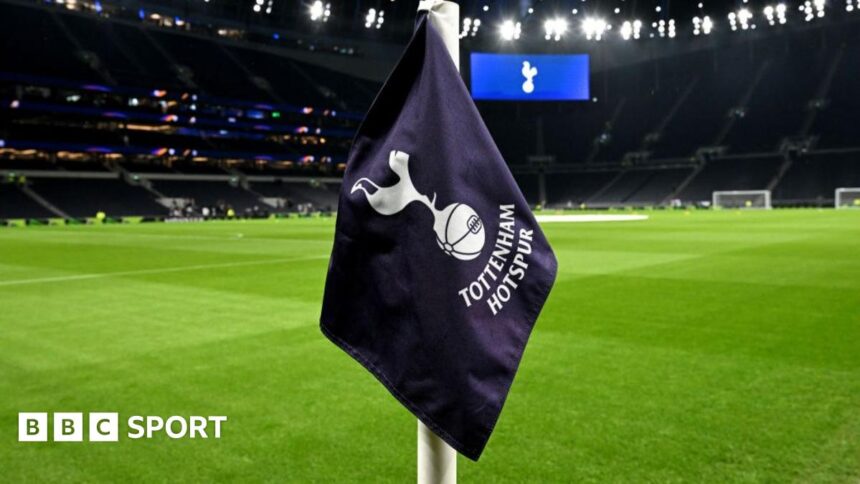
The Hot Seat: Can You Name the Last 10 Permanent Tottenham Managers?
The revolving door at Tottenham Hotspur has spun once again. The club has confirmed the departure of Thomas Frank after less than eight months in charge, a tenure that felt like a brief, turbulent cameo in the long-running drama of N17. As the Spurs hierarchy embarks on yet another costly and critical search for a new leader, it prompts a moment of reflection—and a serious test of fan memory. Just how well do you know the men who have occupied one of football’s most pressurized hot seats? We’re challenging you to name the past ten permanent Tottenham managers. No caretakers, no interim spells—just the ten full-time appointees tasked with steering this famous old club.
A Legacy of Highs, Lows, and Constant Change
To understand the magnitude of naming the last ten permanent Spurs bosses is to grasp the modern history of the club itself. This isn’t just a trivia challenge; it’s a journey through eras of glorious football, heart-breaking near-misses, and a perpetual state of transition. The role demands not just tactical acumen but a unique resilience to manage under a microscope, with expectations often oscillating wildly between delusions of grandeur and pragmatic realism. Each name on this list carries a specific weight—a particular style of play, a memorable victory, a painful defeat, or a transfer saga that defined their reign. From the architects of a thrilling philosophy to the casualties of its inconsistent application, this roll call is the story of Tottenham in the 21stst century.
The Ten-Name Challenge: A Roll Call of the Modern Spurs Era
Before we reveal the answers, consider the timeline. We’re going back nearly a quarter of a century, past the era of sustained Champions League football, through the move to a world-class stadium, and across multiple ownership structures. The challenge excludes caretaker managers like Ryan Mason and Tim Sherwood (in his initial interim role), focusing solely on those appointed with the permanent mandate to lead. Ready? Here is the list of the last ten permanent Tottenham managers, in reverse chronological order:
- Thomas Frank (2024-2025): The most recent, briefest chapter. Arrived with a reputation for building a cohesive unit at Brentford but struggled to implant his identity at Spurs, departing after under eight months.
- Ange Postecoglou (2023-2024): Brought a wave of optimistic, attack-minded “Ange-ball” and delivered a fun, goal-laden season. However, a dramatic late-season collapse saw the club miss European football, leading to his exit.
- Antonio Conte (2021-2023): The fiery Italian instilled a winning mentality and delivered a top-four finish but left amidst a spectacular fallout, famously criticizing the club’s “custom” of not winning.
- Nuno Espirito Santo (2021): A disastrous, brief appointment that lasted just four months. His pragmatic football was a stark mismatch for the club’s attacking traditions.
- Jose Mourinho (2019-2021): The “Special One” was hired to be the final piece in the trophy puzzle. He led the club to a Carabao Cup final but was sacked controversially just days before the match.
- Mauricio Pochettino (2014-2019): The modern benchmark. Transformed the club’s culture, delivered a thrilling brand of football, and took Spurs to a Champions League final, building a profound emotional connection with fans.
- Andre Villas-Boas (2012-2013): The young Portuguese coach recorded the club’s then-highest Premier League points tally but was dismissed after heavy losses to top-six rivals.
- Harry Redknapp (2008-2012): Masterminded the club’s rise from relegation battles to the Champions League quarter-finals, playing an electrifying style with global stars like Gareth Bale and Luka Modric.
- Juande Ramos (2007-2008): His tenure is defined by its extremes: delivering the club’s last trophy (the 2008 League Cup) but also presiding over a catastrophic start to the following season that led to his swift exit.
- Martin Jol (2004-2007): The amiable Dutchman laid crucial foundations, securing back-to-back top-five finishes and fostering a talented, attacking squad that captured the fans’ hearts.
How many did you get? The journey from Jol’s late heartbreak against Arsenal to Thomas Frank’s abrupt departure encapsulates a period of immense growth and persistent frustration for Spurs.
Expert Analysis: The Unenviable Task of Following Legends
Looking at this list, a clear pattern emerges beyond mere turnover. The shadow of Mauricio Pochettino looms large over every successor. His project was about more than results; it was about identity, emotional investment, and a clear footballing vision. Appointments like Nuno Espirito Santo and, to some extent, Jose Mourinho, represented stark philosophical departures that the fanbase and, arguably, the squad structure, struggled to reconcile with.
The Conte and Postecoglou appointments were attempts to capture different aspects of success—Conte’s guaranteed tactical rigor and winning pedigree versus Postecoglou’s pure, commitment to attacking spectacle. Both initially worked before familiar strains reappeared. The job now seems to be a paradox: the manager must deliver aesthetically pleasing football while achieving consistent top-four results in an increasingly competitive league, all while operating under a notoriously demanding board and comparing against the golden Pochettino era. It is, as many have discovered, a near-impossible balancing act.
Predictions: What’s Next for the Spurs Hot Seat?
With Thomas Frank’s departure, the cycle begins anew. The next appointment will be the most critical in years. The club cannot afford another misstep, both financially and in terms of fan engagement. The prediction here is that Spurs will look for a young, progressive coach with a defined, positive tactical system—a return to the “project” model rather than the short-term “fix” of a Conte or Mourinho.
Names like Roberto De Zerbi or a bold move for a rising star like Kieran McKenna fit this profile. The key will be alignment: a manager whose vision matches the club’s purported ambitions and the squad’s strengths, particularly in attack. The failed experiment with Thomas Frank, a coach with a clear philosophy that never translated, will likely make the board wary of another stylistic mismatch. Expect a thorough, and hopefully more coherent, process this time around.
Conclusion: More Than Just a Memory Test
Naming the last ten permanent Tottenham managers is more than a quiz; it’s a concise history lesson in modern football’s volatility and the unique challenges of managing a club with Tottenham’s specific aspirations and complexities. Each name tells a story of ambition, hope, and, too often, disillusionment. For fans, this list evokes powerful memories, both good and bad. For the next candidate, it should serve as a cautionary tale and a blueprint of what not to do. As the search for the eleventh name begins, the hope will be that this next chapter finally finds the stability and success that has been so tantalizingly close, yet so consistently out of reach, for the past two decades.
After more quizzes? Test your knowledge further on our dedicated Football Quizzes and Sports Quizzes pages. Can you name the players with the most Premier League appearances? Sign up for notifications to get the latest brain-teasers sent straight to your device.
Source: Based on news from BBC Sport.