KaVontae Turpin’s Pro Bowl Nod: A Reward for Volume or a Sign of a Broken System?
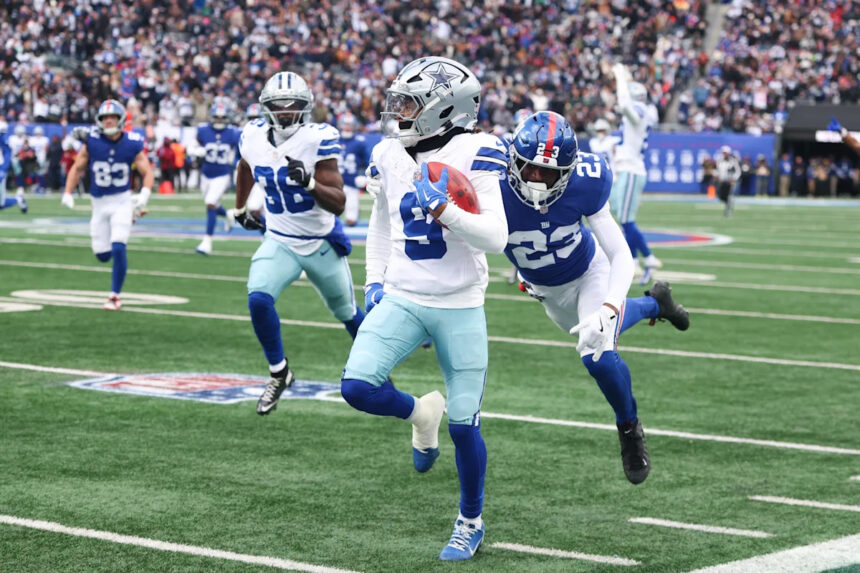
The Dallas Cowboys’ season ended in familiar, disappointing fashion weeks ago, but the franchise’s presence in the annual Pro Bowl Games continues to grow. In a move that has sparked debate across the NFL landscape, All-Pro return specialist KaVontae Turpin has been named as a replacement to the NFC roster, becoming the seventh Cowboy headed to San Francisco. He fills the spot vacated by Seattle Seahawks star Rashid Shaheed, who is, understandably, a bit preoccupied with preparing for Super Bowl LX. While Turpin’s jersey will now bear a fourth Pro Bowl patch, the circumstances of his selection reveal a complex tale of volume statistics, team deficiency, and the enduring power of the Star.
The Anatomy of a Replacement Selection
On the surface, the narrative is straightforward: a player from a Super Bowl team cannot participate, and the next man up on the voting list gets the call. Turpin, a dynamic and celebrated return ace since entering the league, is that next man. However, a deeper dive into the 2025 statistics paints a more nuanced picture that extends beyond simple succession.
Rashid Shaheed, the man Turpin replaces, was a bona fide weapon for the Seahawks. He wasn’t just a returner; he was a game-breaker. His league-leading 29.8 yards per kickoff return average was a testament to explosive, efficient production. Turpin’s selection, conversely, is built on a mountain of opportunity born from defensive failure. The Cowboys’ defense, a unit that collapsed at critical moments, consistently forced the offense to play catch-up, leading to a league-high number of kickoffs against them.
This created a statistical anomaly:
- Unmatched Volume: Turpin’s 1,814 kickoff return yards led the NFL, a gaudy, headline-friendly total.
- The Cost of Volume: To amass those yards, he fielded a whopping 69 kickoffs, also a league high.
- Efficiency Deficit: His per-return average of 26.3 yards ranked outside the Top 25 and was a significant 3.5 yards per return lower than Shaheed’s.
This context is crucial. Turpin was the busiest returner in football, but far from the most potent on a per-touch basis. His selection underscores a recurring debate: should all-purpose yardage leaders be automatically honored over more efficient, but less-utilized, specialists?
The Snub List: A Case for the Overlooked
The controversy around Turpin’s Pro Bowl berth isn’t merely about analytics; it’s about the tangible players whose seasons arguably warranted the nod more. The NFC boasted several return specialists who delivered superior efficiency with substantial workload, yet will be watching from home.
Chicago’s Devin Duvernay provided the Bears with consistent field position, averaging 28.1 yards per return. San Francisco’s Skyy Moore, now an AFC Champion, was a steady force for the 49ers before their playoff run, blending reliability with bursts of big-play ability. Perhaps the most compelling case was Detroit’s Jacob Saylors, who turned his 33 returns into a 27.9-yard average, providing spark for the Lions’ offense in key moments.
Each of these players:
- Had over 30 returns (proving it wasn’t a fluke sample size).
- Gained over 850 return yards.
- Posted a higher per-return average than Turpin.
Their absence from the final roster, and Turpin’s inclusion despite inferior efficiency metrics, feeds directly into the long-held criticism that the Pro Bowl has become a popularity contest. The Dallas Cowboys command the NFL’s largest fanbase and media spotlight. A player wearing the silver and blue inherently benefits from a national profile that players in Chicago, Detroit, or even San Francisco (outside of playoff mania) cannot match. Votes, both fan and player/coach, are swayed by reputation and highlight reels, sometimes at the expense of season-long consistency.
Turpin’s Legacy and the Value of Reliability
To focus solely on the 2025 metrics, however, does a disservice to KaVontae Turpin’s career and the very real value he provides. This is a two-time All-Pro and now four-time Pro Bowl selection. His threat alone influences opposing special teams coordinators, potentially leading to shorter kicks or strategic decisions to avoid him entirely. For a Cowboys team that has often struggled with field position, his mere presence as a safety valve—a player who will securely catch the ball and, at minimum, provide a baseline of positive yards—is an asset.
His selection can also be viewed as a career achievement award, a common undercurrent in Pro Bowl voting across sports. In a year where no NFC returner dominated the conversation with both volume and eye-popping averages, the combination of Turpin’s total yardage, his pedigree, and his game-breaking potential (evidenced by his punt return touchdown this season) likely tipped the scales in his favor among voters. It’s a recognition that while his average was down, his body of work and the sheer physical toll of 69 returns in a season carries weight.
The Future of Pro Bowl Recognition
This situation acts as a microcosm for the larger identity crisis of the NFL’s all-star event. As the league shifts to the less-dangerous Pro Bowl Games format, the method for selecting participants feels increasingly archaic. The Turpin case highlights the need for a more nuanced approach to honoring special teams players.
Looking ahead, the league and the voting body (fans, players, coaches) must grapple with a key question: Should the honor reflect the best season or the most notable career? To restore competitive integrity to the selection, a stronger emphasis on efficiency metrics—yards per return, percentage of returns over 40 yards, forced fair catches—should be factored into the collective consciousness of voters.
Furthermore, the replacement process itself may need refinement. While logistically simple, simply going down a list ignores context. Should a conference champion’s spot perhaps be filled by the next-highest vote-getter at *any* position to allow more deserving players from non-playoff teams a chance? Or should there be a committee to evaluate replacement candidates based on that season’s full résumé? The current system, as evidenced by the raised eyebrows surrounding Turpin’s trip to San Francisco, is ripe for scrutiny.
Conclusion: A Honor with an Asterisk
KaVontae Turpin will deservedly add another line to his impressive career accomplishments. His work ethic, durability, and past explosiveness are beyond reproach. However, his 2025 Pro Bowl selection as a replacement for the more efficient Rashid Shaheed comes with an implicit asterisk—one defined by volume over verve and reputation over results.
For the Cowboys, it’s a bittersweet footnote. The honor celebrates an individual player but simultaneously highlights the team’s defensive failures that put him in position to lead the league in returns. For the NFL, it’s another data point in the ongoing debate about the relevance of its all-star festivities. And for players like Devin Duvernay, Skyy Moore, and Jacob Saylors, it’s a frustrating reminder that in the Pro Bowl, the glare of the spotlight often outshines the finer details on the stat sheet. Turpin’s name is on the roster, but the conversation surrounding his placement there is the real testament to the complexity of measuring—and rewarding—value in today’s NFL.
Source: Based on news from Yahoo Sports.