When the Line Blurs: DK Metcalf Incident Highlights Volatile NFL Fan-Player Dynamic
The roar of the crowd is the lifeblood of the NFL. It’s a symphony of passion that fuels the game’s electric atmosphere. But what happens when that passion curdles into personal vitriol, spilling over the sideline barrier and into the faces of the players themselves? The recent incident involving Pittsburgh Steelers wide receiver DK Metcalf and a Detroit Lions fan is not an isolated event, but rather the latest flashpoint in the increasingly tense and complex relationship between modern NFL stars and the spectators who pay to watch them. This confrontation forces a critical examination of professionalism, fan accountability, and the boiling point of human emotion in a high-stakes environment.
The Metcalf Moment: More Than a Heated Exchange
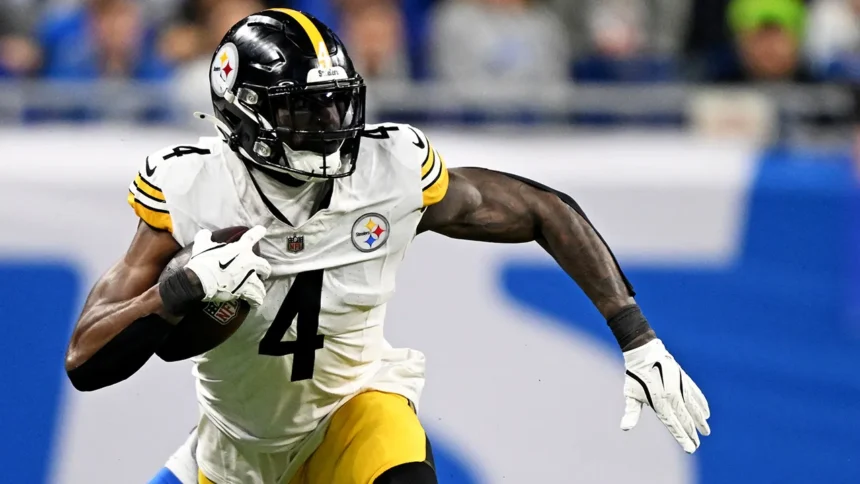
During a pivotal Sunday night game, cameras captured Steelers star DK Metcalf in a heated confrontation with a Lions fan positioned near the Pittsburgh sideline. The visual was jarring: Metcalf, in full uniform, grabbed the fan’s shirt and took a swing at the man, identifiable by his blue wig and Lions colors. While details initially swirled, the fan’s explanation to the Detroit Free Press added a peculiar layer: he claimed Metcalf became upset after being called by his full first name, “DeKaylin.”
This superficial provocation, if accurate, seems disproportionate to the physical response. However, expert sports psychologists suggest this is rarely about a single comment. “These incidents are almost always the culmination of a sustained barrage,” notes Dr. Elena Rodriguez, a specialist in athlete performance psychology. “A player like Metcalf, who is intensely competitive and emotionally invested, is absorbing verbal grenades for three hours. What seems like a small trigger to an outsider is often the final straw that breaks through a carefully maintained focus. It’s less about the specific words and more about the constant, degrading intrusion.” The NFL is reviewing the matter, and while Metcalf may face league discipline, the episode opens a broader dossier on fan-player altercations.
A Troubled History: NFL Stars and Sideline Confrontations
The Metcalf situation is a chapter in a longer, troubled history. The accessibility of fans in modern stadiums—with premium seats hugging the sidelines—creates a pressure cooker where insults are delivered at point-blank range. Several high-profile players have found themselves in similar fiery exchanges:
- Lamar Jackson: In 2021, then with the Ravens, Jackson had to be restrained by coaches and teammates after a fan allegedly threw a drink at him and hurled racial slurs as he walked into the tunnel following a loss in Cleveland. The incident highlighted how vitriol can escalate beyond taunting into outright bigotry and assault.
- Tyreek Hill: During his time with the Chiefs, Hill famously had a fan ejected from Arrowhead Stadium after a back-and-forth verbal duel. Hill later explained the fan made deeply personal and threatening comments about his family, crossing a clear line from sports banter into harmful territory.
- Antonio Brown: No stranger to controversy, Brown, while with the Steelers, once leaped into the stands in Pittsburgh (though it appeared celebratory) after a touchdown, showcasing the thin and often ambiguous boundary between player and fan space.
These examples underscore a critical pattern: the provocation is rarely captured by broadcast microphones, leaving the public to see only the player’s reaction, not the prolonged harassment that likely precipitated it. The league’s universal code of conduct policy for players is clear on prohibiting physical interaction with fans, but the guidelines for fan behavior, while existing, are inconsistently enforced from stadium to stadium.
The Digital Amplification: Taunting in the Social Media Age
To understand the modern player’s shorter fuse, one must consider the 24/7 nature of scrutiny. Athletes like DK Metcalf and Lamar Jackson are not just heckled for three hours on game day; they face a relentless torrent of criticism, hate, and often racist abuse on social media platforms. This constant background noise can lower the threshold for in-person reactions. “The digital world has desensitized us to hostility, but it has also weaponized it for athletes,” says veteran sports analyst Marcus Thorne. “When a player walks to the sideline and hears a ‘clever’ insult that’s been trending about them on Twitter for a week, it’s no longer a random fan’s opinion—it feels like the embodiment of that endless online mob. The reaction, while never justified physically, becomes more comprehensible.”
This creates an impossible tension. Players are expected to be accessible heroes, active on social media to build their brand, yet are told to ignore the most vile elements of that same ecosystem when they manifest in the physical world. The psychological toll is significant, and the sideline can become the place where that bottled-up frustration explosively releases.
Predictions and Pathways Forward: Can the NFL Fix This?
As the NFL continues to globalize its brand and prioritize “the fan experience,” it must also proactively address this simmering issue. Expect the following developments in the wake of incidents like the DK Metcalf confrontation:
- Enhanced Sideline Buffer Zones: The league will likely mandate wider, clearer physical barriers between the first row of fans and team areas, especially in high-premium seating zones. This isn’t just about safety; it’s about creating a psychological and physical moat.
- Strict, Unified Fan Ejection Policies: A zero-tolerance policy for personal abuse, with clear reporting mechanisms for players and officials, will be standardized. Teams may employ dedicated “conduct stewards” near the benches to identify and eject offenders swiftly, shifting the onus of de-escalation away from the provoked player.
- Player Education and League Messaging: While players will continue to be drilled on walking away, the league’s public relations focus will also highlight the consequences for fans. Campaigns emphasizing “Watch the Game, Don’t Attack the Player” could become as common as those promoting sportsmanship on the field.
- Technology as a Tool: High-definition audio pickups along sidelines could be used selectively to review reported incidents, providing context for disciplinary actions against fans, not just players.
The ultimate prediction is an uneasy one: these incidents will not stop entirely. The combination of alcohol, tribal team loyalty, and the raw emotion of sport is too potent. However, the frequency and severity can be reduced through structural changes that protect both the product on the field and the individuals who create it.
Conclusion: Respecting the Line in an Era of Blurred Boundaries
The altercation between DK Metcalf and a Lions fan is a symptom of a larger cultural clash within sports. We demand our athletes be both superhuman in performance and saintly in temperament, all while subjecting them to a level of personal insult that would be unacceptable in any other public forum. The incidents involving stars like Lamar Jackson and others reveal a workplace environment unlike any other, where a core part of the job is tolerating abuse from “customers.”
Moving forward, the responsibility is dual-sided. The NFL and its teams must engineer environments that minimize hostile contact and enforce consequences for fans who believe their ticket purchases a license for malice. Simultaneously, players, as professionals and the face of the league, must continue the nearly superhuman task of channeling that negativity into their performance, not retaliation. The line between fan and player must be respected from both sides. The integrity of the game, and the safety of everyone involved, depends on it. The next time a player approaches the sideline, the hope is that the only thing crossing the barrier is the collective, passionate roar of the game—not the poison of personal attack.
Source: Based on news from Fox Sports.