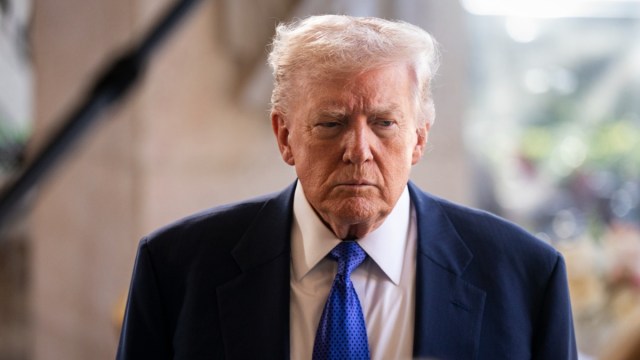
Trump’s Olympic Blowback: The Political Firestorm Over Hunter Hess and Team USA Patriotism
The Olympic stage, a global theater of athletic triumph and national pride, has once again collided with the divisive arena of American politics. In a fiery social media post from the 2026 Winter Games in Milan, former President Donald Trump ignited a controversy that transcends sports, targeting U.S. freestyle skier Hunter Hess over the athlete’s nuanced comments on patriotism. This clash between a polarizing political titan and an Olympian expressing “mixed emotions” has sparked a fierce debate about national representation, athlete activism, and the very meaning of competing for one’s country in a fractured political era.
The Spark: Hess’s “Mixed Emotions” and Trump’s “Loser” Retort
The incident erupted during a routine press conference in the Olympic Village. Hunter Hess, a rising star in freestyle skiing, was asked about the experience of representing the United States on the world’s biggest winter sports stage. His response moved beyond platitudes. Hess acknowledged a sense of pride but introduced a layer of personal conflict, citing specific policy disagreements.
“There’s obviously a lot going on that I’m not the biggest fan of,” Hess stated, later clarifying his stance pertained to immigration policies. “Just because I’m wearing the flag doesn’t mean I represent everything that’s going on in the US.”
This sentiment of critical patriotism, common among athletes worldwide, was swiftly reframed as disloyalty by prominent conservative voices. Tennessee Representative Tim Burchett fired an early salvo on X, posting, “Shut up and go play in the snow.” The critique reached its apex when Donald Trump, leveraging his massive platform, delivered a characteristically blunt verdict.
On Truth Social, Trump posted: “Hess, a real Loser, says he doesn’t represent his Country in the current Winter Olympics. If that’s the case, he shouldn’t have tried out for the Team, and it’s too bad he’s on it.” He concluded with a potent political rallying cry: “Very hard to root for someone like this. MAKE AMERICA GREAT AGAIN!”
In a single post, Trump successfully shifted the narrative, transforming a skier’s personal reflection into a national litmus test for loyalty and casting Hess’s comments as a rejection of country itself.
Expert Analysis: Patriotism, Protest, and the Modern Athlete’s Dilemma
To understand the depth of this controversy, we must examine it through multiple lenses: sports tradition, political strategy, and generational shifts in expression.
The Unwritten Rule of Olympic Representation: Historically, the Olympic model champions athletes as apolitical ambassadors of their nations. The emphasis is on unity, sportsmanship, and the collective pride of the team. Hess’s comments, while not a protest on the podium, challenged this monolithic view. Sports sociologist Dr. Aliyah Chen notes, “Hess articulated a reality many athletes feel but have been conditioned not to voice publicly: that national identity is complex. He didn’t refuse to wear the uniform; he attempted to define what it meant to him personally. This nuance is often lost in today’s binary political discourse.”
Trump’s Political Playbook: Trump’s intervention is a textbook example of culture war politics. By labeling Hess a “loser,” he immediately personalizes and de-legitimizes the critique. “This isn’t just about one skier,” explains political analyst Mark Brennan. “It’s a signal to his base about what constitutes acceptable patriotism. It frames any criticism of the nation’s direction—especially under a potential Trump administration—as weakness and disloyalty. The ‘MAGA’ tagline explicitly ties athletic representation to his political project.”
The Generational Divide: Hess represents a generation of athletes for whom social consciousness and athletic identity are intertwined. From racial justice protests to LGBTQ+ advocacy, modern Olympians increasingly see their platform as a place for nuanced expression. Hess’s statement was less a fiery protest and more an expression of internal conflict, a subtlety that clashes with the “shut up and ski” mentality of previous eras and certain political factions.
Broader Implications and Predictions for Future Games
The Trump-Hess showdown is not an isolated incident but a harbinger of tensions that will define future international competitions. The fallout will likely influence athlete behavior, fan engagement, and the political co-opting of sports for years to come.
- Chilling Effects vs. Empowered Voices: Will this public shaming cause other athletes to self-censor, fearing similar reprisals? Or will it embolden others to speak more forcefully, seeing the immense reach such commentary can generate? The likely outcome is a polarization within the athletic community itself.
- The Politicization of Fandom: Trump’s “hard to root for” line explicitly makes support for an Olympian a political statement. This injects partisan division into the act of cheering for Team USA, potentially alienating fans and fracturing national unity around the Olympic team.
- 2028 Los Angeles as a Flashpoint: The upcoming Summer Olympics on American soil will be an unprecedented pressure cooker. With a likely contentious election just two years prior, athletes will be under a microscope. We can expect:
- Stricter team guidelines regarding media comments and podium conduct.
- Increased pre-Games media training focused on navigating political questions.
- Potential protests or statements becoming a central storyline, overshadowing athletic achievement for some audiences.
- Recruitment and Sponsorship Impact: Could openly activist or critical athletes face quieter discrimination in team selection or lose lucrative sponsorship deals from brands wary of controversy? Conversely, they may gain support from brands targeting younger, socially conscious demographics.
Conclusion: A Nation’s Flag, An Individual’s Conscience
The firestorm over Hunter Hess’s comments reveals a nation still wrestling with a fundamental question: In a diverse democracy, what does it truly mean to represent the United States? Donald Trump’s vision is one of unwavering, unambiguous loyalty—a vision where the flag symbolizes a fixed set of ideals not open to public critique by those who wear it. Hess’s perspective, shared by a growing number of citizens and athletes, is that true patriotism involves a clear-eyed love of country that acknowledges its flaws and aspires for improvement.
This is more than a spat between a politician and a skier; it’s a microcosm of America’s enduring struggle to balance unity with dissent, pride with progress. As the world grows more politically complex, the pressure on athletes to be purely apolitical symbols will only intensify, and so too will the impulse among some to use their fleeting global platform for something more. The 2026 Milan controversy has set a new precedent. The Olympic rings, once a symbol of peaceful gathering, are now another arena where America’s internal battles are fiercely contested. The final legacy of this incident may not be a medal count, but a lasting redefinition of the athlete as citizen, and the price of speaking one’s truth while wearing the stars and stripes.
Source: Based on news from Yahoo Sports.